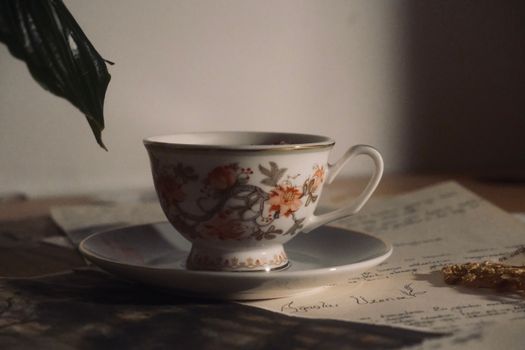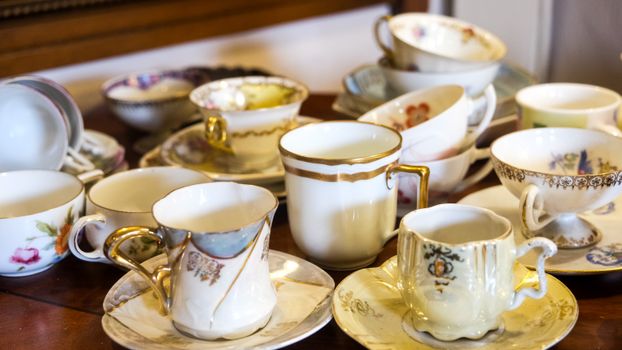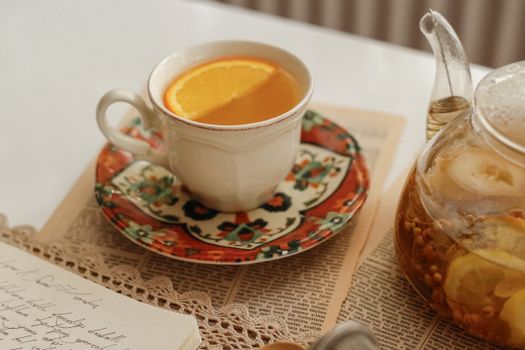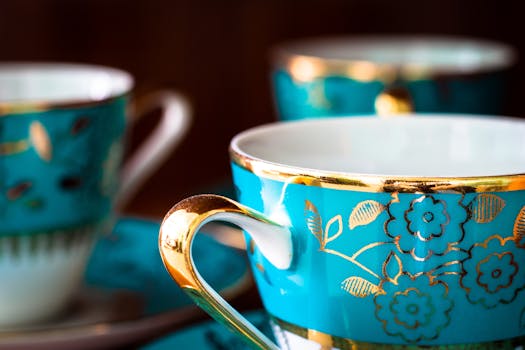
Collecting vintage teacups is more than just a pastime—it’s a journey through history, art, and culture. For enthusiasts and novices alike, the allure of delicate porcelain, intricate patterns, and the stories each cup holds can be irresistible. Whether you’re drawn to the elegance of English bone china, the boldness of Art Deco designs, or the charm of hand-painted Japanese cups, starting a vintage teacup collection opens a world of discovery. In this article, we’ll explore the art of collecting vintage teacups, from understanding their history and value to practical tips for curating your own collection and caring for these fragile treasures.
The Fascinating History of Vintage Teacups
Teacups have a rich heritage that mirrors global trade, changing fashions, and advances in ceramics. The first porcelain teacups arrived in Europe from China in the 17th century, sparking a craze for "china" among the aristocracy. Early teacups were handleless, modeled after their Asian counterparts, but by the mid-18th century, European manufacturers like Meissen and Wedgwood began adding handles for convenience.
The Victorian era (1837-1901) marked the golden age of tea drinking and teacup production in Britain. Companies such as Royal Worcester, Royal Albert, and Shelley introduced fine bone china teacups featuring floral motifs, gilded edges, and vibrant colors. These cups often came as part of elaborate tea sets, symbolizing status and refinement.
By the early 20th century, teacup design reflected broader artistic movements. Art Nouveau and Art Deco teacups featured bold geometric patterns, while the 1950s and 60s saw playful, modernist motifs. Today, vintage teacups offer a window into these artistic and social trends.
Types and Styles: What Makes a Teacup 'Vintage'?
The term "vintage" generally applies to items at least 20-30 years old, but collectors often focus on teacups from specific eras or makers. Here are some of the most sought-after styles:
- $1: Developed in England in the late 1700s, bone china is known for its translucency and strength. Brands like Royal Albert and Paragon produced some of the most collectible bone china teacups. - $1: Porcelain, invented in China over a thousand years ago, remains a favorite. Japanese Kutani or Noritake teacups, with hand-painted designs, are prized for their beauty. - $1: Produced mainly in the 1920s and 30s, these feature geometric shapes and bold color contrasts. Susie Cooper and Clarice Cliff are renowned names from this period. - $1: Smaller than standard teacups, demitasse cups are used for serving espresso or Turkish coffee, often with ornate decoration.What distinguishes a vintage teacup is not just age, but craftsmanship, rarity, and the maker’s reputation. For example, a 1920s Shelley teacup with a rare pattern can fetch over $150 at auction, while a mass-produced 1980s cup may be valued at under $10.
How to Identify and Value Vintage Teacups
Identifying and valuing vintage teacups requires a combination of research, observation, and hands-on experience. Here’s what to look for:
1. $1: Most authentic vintage teacups have a mark or stamp on the underside. This may include the manufacturer’s name, country of origin, and sometimes a pattern name or number. Resources like Kovels’ guide or online databases can help decode these marks. 2. $1: Hold the teacup up to the light—bone china is slightly translucent. Check for evenness in glazing, hand-painted details, and the overall weight (vintage cups are often lighter than modern ones). 3. $1: Rare patterns or limited-edition runs increase value. Floral motifs are common, but unusual themes (e.g., Art Deco geometrics or chintz patterns) are highly collectible. 4. $1: Chips, cracks, or faded gilding diminish value. A cup in mint condition with original saucer is most desirable.Here’s a comparison of popular vintage teacup brands:
| Brand | Country | Era | Notable Features | Typical Value (2024) |
|---|---|---|---|---|
| Royal Albert | England | 1896–Present | Bone china, floral patterns, "Old Country Roses" | $20–$150 per cup/saucer set |
| Shelley | England | 1860–1966 | Delicate shapes, pastel colors, rare patterns | $40–$250 per set |
| Noritake | Japan | 1904–Present | Hand-painted, gold detailing, Art Deco | $15–$100 per set |
| Limoges | France | 1700s–Present | Porcelain, floral and gold designs | $30–$200 per set |
| Paragon | England | 1897–1960s | Royal warrants, bold florals, scalloped edges | $25–$150 per set |
Building Your Vintage Teacup Collection: Tips and Strategies
Starting a vintage teacup collection can feel overwhelming given the variety and sheer volume of options. Here are some expert tips for beginners and seasoned collectors alike:
- $1: Do you love English roses, Art Deco geometrics, or Japanese hand-painting? Focusing on a theme, era, or maker helps narrow your search and gives your collection cohesion. - $1: Prices range from under $10 to several hundred dollars. Decide how much you’re willing to spend per piece or per month. - $1: Antique stores, estate sales, flea markets, and online platforms like eBay and Etsy are prime sources. Attend local auctions or join collector groups for exclusive finds. - $1: Use a magnifying glass to inspect marks and details. Beware of reproductions or cups labeled "vintage style" rather than authentic vintage. - $1: Join online communities or local collector clubs. Books like "Collecting British Teacups & Saucers" by Michael Berthoud provide invaluable information.Fact: According to a 2023 survey by eBay, over 120,000 vintage teacup listings were posted globally in a single year, with top sales exceeding $1,000 for rare Royal Worcester and Shelley pieces.
Caring for and Displaying Vintage Teacups
Preserving the beauty and value of vintage teacups requires special care, as these items are often fragile and sensitive to temperature changes.
- $1: Avoid dishwashers; hand-wash gently with mild detergent and lukewarm water. Never use abrasive pads or bleach. - $1: Stack cups and saucers separately to prevent chipping. Place felt or fabric between stacked pieces. Store in a dust-free cabinet away from direct sunlight, which can fade painted designs. - $1: Always lift teacups by the body, not the handle, to avoid stress on delicate joints. - $1: Open shelving, glass-front cabinets, or tiered stands showcase your collection beautifully. Consider rotating your display to minimize prolonged light exposure to any one piece.Fact: The Smithsonian Museum’s ceramics department employs climate-controlled cases and custom supports for teacup displays, highlighting the level of care needed for preservation.
The Social and Artistic Joys of Collecting Vintage Teacups
Beyond their practical and monetary value, vintage teacups connect collectors to artistry, tradition, and community. Many collectors host themed tea parties, where each guest selects a different vintage cup—turning a simple gathering into a celebration of history and design.
Some enthusiasts focus on the artistry of specific painters or workshops, such as the hand-painted scenes on Japanese Kutani cups or the gold-encrusted edges found on Limoges pieces. Others document the provenance of each cup, tracing its journey through generations or across continents.
Fact: In 2019, the largest documented teacup collection, held by collector Sylvia Kind, comprised more than 5,000 individual pieces, each with a unique story.
Collecting vintage teacups also encourages sustainability, as reusing and cherishing old ceramics reduces demand for mass-produced goods. Each cup rescued from obscurity is a small act of preservation, keeping cultural heritage alive.
Final Thoughts on the Art of Collecting Vintage Teacups
The world of vintage teacup collecting is as rich and varied as the cups themselves. Whether you’re captivated by the delicate artistry, the thrill of the hunt, or the stories woven through each porcelain treasure, building a collection offers endless rewards. From understanding the history and identifying authentic pieces to displaying and caring for your finds, every step deepens your appreciation for these miniature works of art. As you sip tea from a decades-old cup, you’re not just enjoying a beverage—you’re savoring a piece of history.