The Fascinating Journey of Vintage Teacups Through History
Vintage teacups stand as miniature masterpieces, blending artistry, craftsmanship, and social tradition. Far more than simple vessels for tea, they reflect centuries of global exchange, innovation, and evolving tastes. As objects of desire for collectors and historians, vintage teacups provide tangible connections to the past, offering insight into changing customs, advances in ceramic technology, and the subtle interplay of cultures. In this exploration, we unravel the story behind these delicate treasures, from their ancient beginnings in China to their cherished place in modern collections.From Ancient Origins: The Birth of the Teacup
The earliest teacups trace back to the Tang Dynasty in China (618-907 AD), a period that saw tea drinking emerge as a central aspect of Chinese culture. Unlike today’s cups, these ancient vessels were small, handleless bowls, crafted from high-fired porcelain. The Chinese mastery of porcelain—a secret they guarded for centuries—enabled the production of vessels that were both beautiful and functional.By the 9th century, tea drinking had become a refined social custom, with the design of teacups evolving alongside the ritual. Notably, the Song Dynasty (960-1279 AD) popularized celadon-glazed cups, prized for their jade-like appearance. Chinese porcelain teacups became highly sought-after trade items along the Silk Road, eventually captivating the attention of Europeans.
Some historical highlights: - The first recorded porcelain teacups appeared around 900 AD. - The blue-and-white porcelain style, now iconic, gained popularity during the Yuan Dynasty (1279-1368 AD). - By the 16th century, tea and porcelain wares were among China’s most valuable exports.Europe’s Tea Craze: Adaptation and Innovation
Europe’s introduction to tea—and teacups—came in the early 17th century, thanks to the Dutch and Portuguese traders. The arrival of both tea and Chinese porcelain in European courts sparked a craze among the aristocracy. However, porcelain was so precious that it was referred to as "white gold," and only the wealthy could afford it.European potters, eager to replicate the beauty of Chinese porcelain, experimented with their own materials. The most significant breakthrough came in the early 18th century when German alchemist Johann Friedrich Böttger discovered the secret to hard-paste porcelain at Meissen. This innovation allowed European manufacturers to produce their own teacups, often inspired by—yet distinct from—Asian designs.
Key developments during this period included: - The first European porcelain factory opened in Meissen, Germany in 1710. - Handles were added to teacups in Europe, a feature absent from traditional Chinese designs, to protect fingers from hot liquids. - By the late 18th century, England’s Josiah Spode perfected bone china, combining porcelain clay with bone ash for added translucency and strength.Styles and Materials: A World of Variety
The diversity of vintage teacups reflects the technological advances and artistic preferences of their times and places of origin. Some of the most celebrated styles include: - English Bone China: Developed around 1794, bone china revolutionized English ceramics. It is renowned for its ivory whiteness, translucency, and remarkable durability. Companies like Royal Albert and Wedgwood popularized floral patterns and gilded accents. - Japanese Raku: Emerging in the 16th century, Raku ware is integral to the Japanese tea ceremony. Each cup is hand-shaped and low-fired, resulting in unique textures and organic forms. Raku is celebrated for embracing imperfection, aligning with the Japanese aesthetic of wabi-sabi. - French Porcelain: Limoges and Sèvres are two regions famed for their exquisite porcelain. French teacups often feature hand-painted pastoral or romantic scenes, delicate gilding, and soft pastel hues, reflecting the tastes of the Rococo and Neoclassical eras.Beyond these, there are countless regional styles—such as German Meissen, Russian Imperial Porcelain, and Scandinavian Art Deco designs—each adding to the rich tapestry of teacup history.
The Social Significance of Teacups in Ritual and Society
Teacups are more than functional objects; they are deeply embedded in the rituals and social customs of their cultures. In England, the afternoon tea tradition blossomed in the 1840s, popularized by Anna, the Duchess of Bedford. Afternoon tea quickly became a fashionable social event, complete with elaborate etiquette—such as holding the cup by the handle and never looping one’s finger through it.In Japan, the tea ceremony (Chanoyu) elevates the act of drinking tea to an art form. The choice of teacup, known as chawan, is central to the ceremony, with each season and occasion dictating a particular style. The ceremony’s emphasis on mindfulness, respect, and harmony is mirrored in the careful selection and handling of the cup.
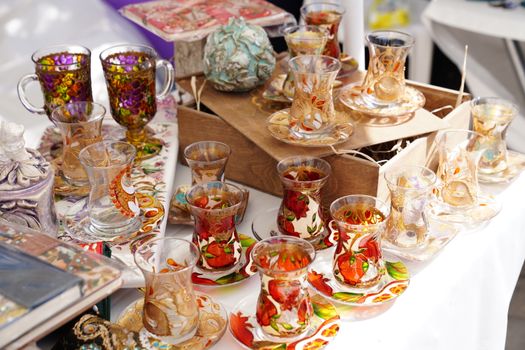
Notable facts: - By the Victorian era, over 100 million teacups were produced annually in England alone. - The Japanese tea ceremony remains a cornerstone of cultural education and is practiced by millions each year. - In Russia, the "charka" (small teacup) became popular for serving tea from the samovar, highlighting the spread of tea culture across continents.Collecting Vintage Teacups: What Makes Them Special?
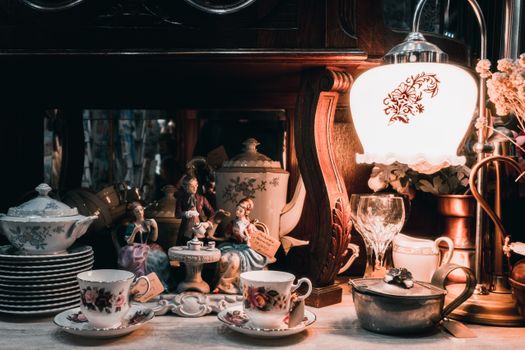
Vintage teacups have become coveted collectibles, cherished for their beauty, craftsmanship, and historical value. Collectors often seek pieces from renowned manufacturers, such as Royal Doulton, Meissen, or Limoges, or those with rare patterns and limited production runs. A few factors that affect a teacup’s value and appeal: - Age: Older teacups, especially those made before 1900, are typically more valuable. - Maker’s Mark: Most porcelain manufacturers stamped unique marks on the bottom of their wares, providing clues to their origin and date. - Condition: Chips, cracks, or faded decoration can significantly reduce value, while pristine pieces command premium prices. - Rarity: Limited editions, discontinued patterns, or cups from famous historical events (such as coronation commemoratives) are highly sought after.In recent years, the global market for vintage teacups has boomed. According to a 2022 Antiques Roadshow report, some rare teacups have sold for over $5,000 at auction, especially those with royal provenance or from iconic makers.
Comparing Key Vintage Teacup Styles
| Style | Origin | Characteristics |
|---|---|---|
| English Bone China | England | Ivory white, translucent, strong, floral/gilded patterns |
| Japanese Raku | Japan | Hand-shaped, rustic, low-fired, unique textures |
| French Porcelain | France | Delicate, ornate gilding, hand-painted pastoral scenes |
| German Meissen | Germany | Hard-paste porcelain, detailed painting, classic blue-on-white |
| Russian Imperial | Russia | Rich cobalt, elaborate gold decoration, imperial crests |