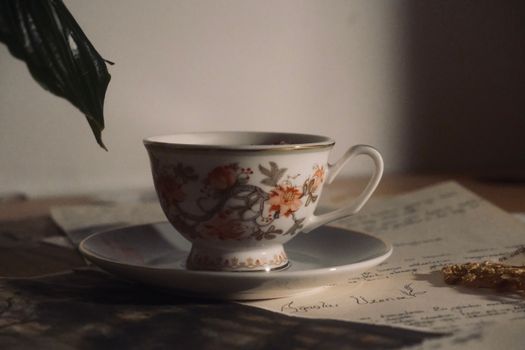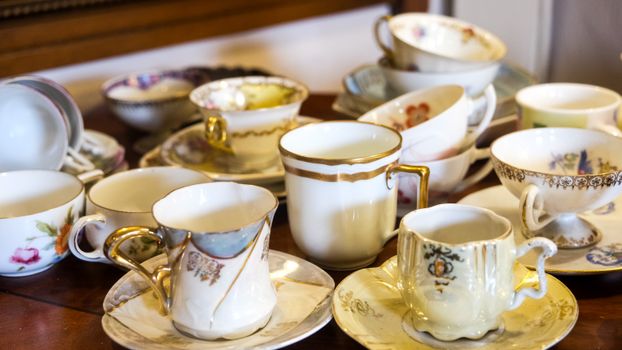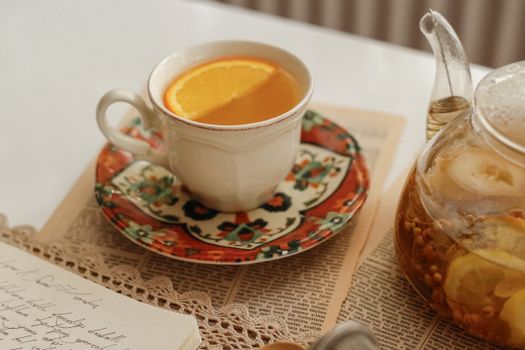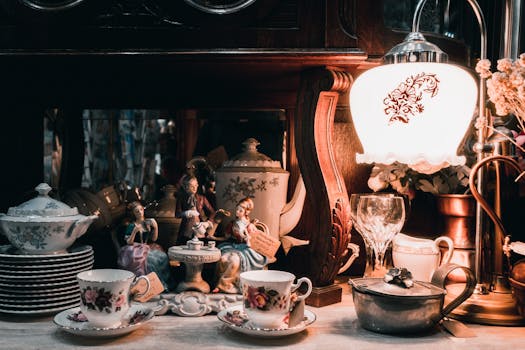
Vintage tea cups are more than mere vessels for sipping tea—they are miniature masterpieces that capture the spirit, craftsmanship, and aesthetic ideals of the eras in which they were made. Recognizing and appreciating the artistic value of vintage tea cups opens a window to history, design, and the world of decorative arts. Whether you are a seasoned collector, a curious beginner, or someone who simply loves beauty in everyday objects, understanding the artistry behind these delicate pieces can deepen your enjoyment and sharpen your eye for quality and authenticity.
The Artistic Foundations of Vintage Tea Cups: A Journey Through Time
To truly appreciate vintage tea cups, it helps to understand the historical and artistic movements that shaped their creation. From the delicate hand-painted florals of Victorian England to the bold geometric patterns of Art Deco, tea cups have reflected the artistic zeitgeist of their time.
The earliest English porcelain tea cups appeared in the mid-18th century, with manufacturers like Wedgwood, Spode, and Royal Worcester setting standards for both form and decoration. By the late 1800s, Japanese and Chinese export tea cups introduced exotic motifs and techniques such as Imari and Famille Rose enameling to Western audiences. The 20th century brought about a dizzying variety of styles, from the ornate gilding of Edwardian pieces to the minimalist lines of Scandinavian modernism.
According to the UK’s National Trust, over 5,000 different tea cup designs were registered between 1800 and 1950 in Britain alone, underscoring the creative diversity of this field. Recognizing the era and artistic movement behind a tea cup can transform your appreciation from simple admiration to informed understanding.
Elements of Artistic Value: What to Look For
Appreciating the artistic merit of a vintage tea cup goes beyond surface beauty. Here are some key elements to consider:
1. $1: Look for balance and proportion in the tea cup’s shape, handle, and saucer. Art Nouveau cups, for instance, often feature flowing, organic forms, while Art Deco pieces favor symmetry and bold geometry. 2. $1: Is the decoration hand-painted, transfer-printed, or applied using another method? Hand-painted cups (often signed by the artist) tend to be more valuable and reflect a higher level of craftsmanship. Look closely for brushstrokes and slight irregularities as signs of handwork. 3. $1: Fine bone china, porcelain, and stoneware all offer different tactile and visual qualities. Bone china, invented in England in the late 18th century, is prized for its translucency and strength. The glaze’s finish—matte, glossy, or iridescent—also plays a key role in the overall artistic impression. 4. $1: Many vintage tea cups incorporate symbolic flowers, birds, or patterns that carry cultural or personal meanings. For example, a tea cup featuring chrysanthemums might represent longevity in East Asian cultures, while English roses often symbolize romance. 5. $1: Many renowned manufacturers included marks on the base of their tea cups. These can help identify the origin, period, and sometimes the artist, further enhancing the piece’s artistic and historical value.Famous Artistic Styles in Vintage Tea Cups: A Comparative Overview
The world of vintage tea cups is rich with distinct artistic styles. Here is a comparative table highlighting key characteristics of some influential movements:
| Style | Era | Key Features | Notable Makers |
|---|---|---|---|
| Victorian | 1837-1901 | Elaborate florals, gilding, scalloped edges | Royal Albert, Aynsley |
| Art Nouveau | 1890-1910 | Curvilinear forms, nature motifs, pastel colors | Royal Worcester, Limoges |
| Art Deco | 1920-1940 | Geometric patterns, bold colors, angular shapes | Shelley, Wedgwood |
| Mid-century Modern | 1940-1970 | Simple lines, abstract designs, minimalism | Arabia, Rosenthal |
| Japanese Imari | 17th-19th c. | Vivid blue, red, and gold; intricate patterns | Arita, Kutani |
Understanding these styles helps you place a vintage tea cup in its artistic context, recognizing the influences and intentions behind its design.
The Role of Craftsmanship: Techniques That Define Artistic Value
The artistry of a vintage tea cup is inseparable from the skill of its maker. Many techniques contribute to the cup’s unique appeal:
- $1: True hand-painted tea cups are increasingly rare and highly sought after. Some pieces from the 19th century even feature the artist’s signature or initials, making them especially collectible. - $1: Invented in the late 18th century, this method allowed for intricate designs to be mass-produced. While less exclusive than hand-painting, early transferware is now prized for its historic charm. - $1: The application of gold or colored enamels adds a tactile and visual richness. Gilded edges, handles, or decorative accents are hallmarks of luxury. - $1: Some tea cups feature raised designs, such as floral garlands or ribbed bodies, that add depth and texture.According to a 2022 survey of antique dealers in the UK, hand-painted and gilded tea cups routinely sell for 30-50% more than their transfer-printed counterparts, reflecting the premium placed on artisan skill.
Interpreting the Emotional and Cultural Value of Vintage Tea Cups
Artistic appreciation is not just about technical mastery—it also involves the emotional and cultural resonance a piece carries. Vintage tea cups often evoke nostalgia, elegance, or a sense of ceremony. Their imagery can reflect the aspirations, values, or social customs of their time.
For instance, tea cups produced during wartime often feature patriotic motifs or subdued colors, while those from the Roaring Twenties burst with optimism and exuberance. The rise in popularity of “chintz” patterns—dense, colorful florals—during the 1930s mirrored a desire for cheerfulness amid economic uncertainty.
Culturally, tea cups are also associated with rituals and traditions. In Japan, the shape and thickness of a tea cup are designed to enhance the experience of different teas, while in Britain, the “afternoon tea” tradition elevated the tea cup to a symbol of refinement and hospitality.
By considering a tea cup’s cultural and emotional context, you gain a deeper understanding of its artistic value beyond mere aesthetics.
How to Train Your Eye: Practical Steps for Recognizing Artistry
Developing an eye for the artistic value of vintage tea cups takes time and practice. Here are some steps to hone your appreciation:
1. $1: Many decorative arts museums, such as the Victoria and Albert Museum in London, feature extensive collections of historic tea wares. Observing these pieces firsthand helps you recognize hallmarks of quality and stylistic flourishes. 2. $1: Publications like “The Encyclopedia of British Pottery and Porcelain Marks” and “Tea Cups: Collector’s Guide” provide invaluable visual references. 3. $1: Online forums and local collector clubs offer opportunities to compare notes, share finds, and learn from experienced enthusiasts. 4. $1: When possible, handle different tea cups to feel the weight, balance, and texture. Examine how light passes through bone china or how a glaze catches the eye. 5. $1: Don’t hesitate to seek expert opinions at antique fairs or from reputable dealers. Their insights can guide your understanding of what makes a piece artistically significant.Over time, you’ll start to notice subtle differences in quality, technique, and artistry that separate the exceptional from the ordinary.
Preserving and Sharing the Artistic Legacy of Vintage Tea Cups
Recognizing artistic value brings with it a responsibility: to preserve and share these treasures for future generations. Proper storage, cleaning, and display are essential for maintaining the beauty and integrity of vintage tea cups. Avoid harsh detergents, sudden temperature changes, and overcrowding in display cabinets.
Sharing your appreciation—whether by hosting a themed tea party, curating a social media showcase, or simply telling the story behind a cherished cup—helps keep the tradition and artistry alive. According to a 2023 report by the UK Antiques Trade Gazette, interest in vintage tea wares among younger collectors has grown by 22% in the past five years, driven in part by social sharing and renewed interest in sustainable, meaningful objects.
Celebrating the Artistic Value of Vintage Tea Cups: Final Thoughts
Vintage tea cups are accessible works of art, each one a testament to the creativity and skill of its maker and the culture of its time. By learning to recognize their artistic value—through understanding design, craftsmanship, history, and emotional resonance—you not only enrich your collection but also connect more deeply with a centuries-old tradition of beauty and hospitality.
Whether you’re drawn to the elegance of a hand-painted rose, the shimmer of gilded porcelain, or the story told by a maker’s mark, appreciating the artistic value of vintage tea cups transforms everyday moments into encounters with art.