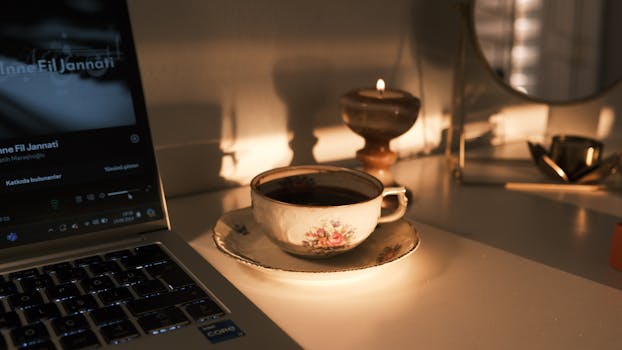
Displaying your vintage tea cup collection is about more than just storage—it's an opportunity to create a stunning visual story that reflects your personal style and passion for history. Whether you own a handful of cherished heirlooms or a curated selection spanning decades, the way you present your collection can elevate your home décor and spark conversation. In this article, we’ll explore the best ways to present your vintage tea cup collection, balancing aesthetics, safety, and creativity, with actionable ideas and advice for collectors at every level.
Curating a Cohesive Vintage Tea Cup Display
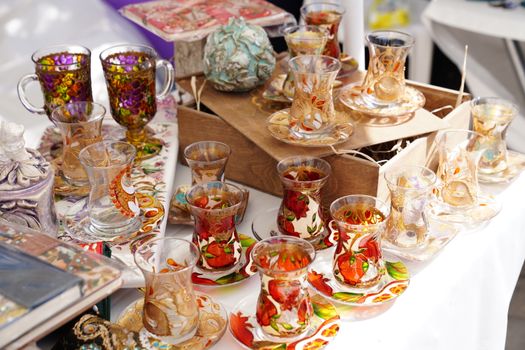
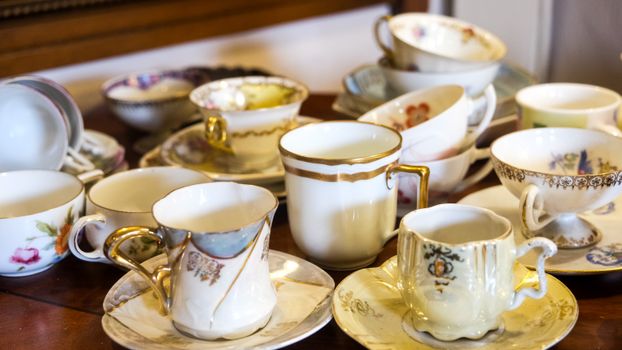
The first step in presenting your vintage tea cup collection is curating a display that feels intentional and visually pleasing. Rather than simply lining up cups on a shelf, consider grouping them by theme, color, era, or maker. For example, a set of delicate Japanese porcelain cups with hand-painted sakura motifs can form a serene, unified vignette. Alternatively, you might arrange vibrant mid-century British cups together for a playful, retro vibe.
A study from the National Trust in the UK found that themed displays increase visitor engagement by up to 40% in historic homes. Applying this principle at home, you could create rotating displays that highlight:
- Seasonal themes (spring florals, winter whites) - Color gradients (from pastel pinks to bold blues) - Makers or regions (Royal Albert, Limoges, Noritake) - Historical eras (Victorian, Art Deco, 1960s)A well-curated arrangement not only showcases the diversity of your collection but also tells a story that visitors can appreciate at a glance.
Choosing the Right Display Furniture for Vintage Tea Cups
Your choice of furniture can make a dramatic difference in both the safety and impact of your collection. Here are some of the most popular display options:
1. Glass-Fronted Cabinets: These classic pieces protect your cups from dust and accidents while allowing for easy viewing. A 2021 survey by Antique Collectors Club found that 62% of collectors favored glass-fronted cabinets for displaying fragile antiques. 2. Open Shelving: Floating or built-in shelves provide flexibility for larger collections, but require regular dusting and careful placement to prevent falls. 3. Wall-Mounted Racks: Specially designed racks with cup hooks and saucer slots can turn your display into wall art. These are ideal for small spaces and highlight the shape and pattern of each piece. 4. Shadow Boxes: Deep shadow boxes or cubbies can frame individual tea cups, treating each as a tiny work of art.Here’s a comparison table to help you decide which furniture might best suit your collection:
| Display Option | Protection Level | Capacity | Best For |
|---|---|---|---|
| Glass-Fronted Cabinet | High | Moderate to High | Valuable or large collections |
| Open Shelving | Low | High | Easy access, frequent rotation |
| Wall-Mounted Rack | Medium | Low to Moderate | Small spaces, decorative displays |
| Shadow Box/Cubby | High | Low | Highlighting rare or favorite pieces |
When positioning your display, avoid direct sunlight to prevent fading, and keep out of high-traffic areas to reduce the risk of accidental bumps.
Creative Lighting Solutions to Enhance Your Collection
Good lighting can transform your vintage tea cup display from a simple arrangement into a captivating focal point. Vintage porcelain and bone china often feature exquisite details—hand-painted gilding, translucent glazes, or intricate reliefs—that come alive under the right illumination.
Consider these approaches:
- LED Strip Lights: Installed under shelves or inside cabinets, these provide even, energy-efficient lighting. Modern LED strips can be set to a warm white tone that flatters porcelain’s natural luster. - Spotlights: Small, adjustable spotlights, either battery-powered or hardwired, can highlight individual cups or groups. For example, a spotlight angled from above can make gold or silver accents gleam. - Ambient Lighting: Table lamps or sconces placed near your display can add a soft, welcoming glow, creating an inviting atmosphere.According to a 2022 report by the American Lighting Association, well-lit displays are 55% more likely to be commented on by houseguests than those in dim lighting. But remember, avoid halogen or incandescent bulbs that emit heat, as this can damage delicate glazes over time.
Incorporating Your Tea Cup Collection into Everyday Living Spaces
Why hide your beautiful collection away? Integrating vintage tea cups into your living spaces brings daily enjoyment and personalizes your home. Here are some ideas to seamlessly weave your collection into various rooms:
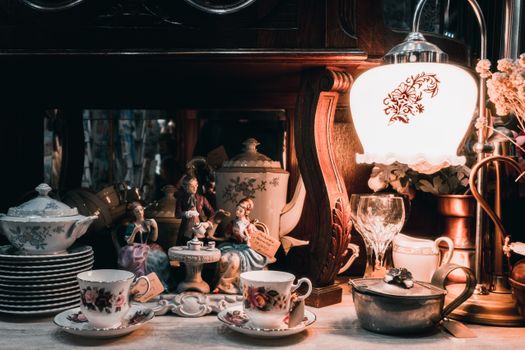
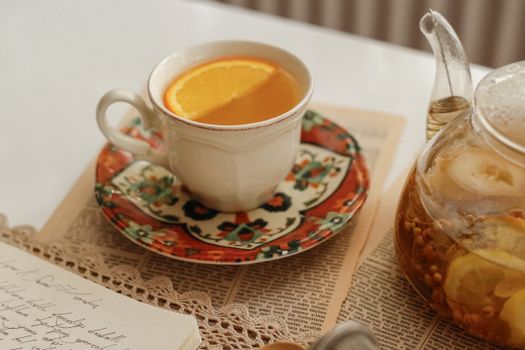
- Dining Room: Use a sideboard or buffet as a display surface, and change the arrangement with the seasons or special occasions. - Kitchen: Vintage cups on an open shelf can echo the space’s culinary purpose while adding a decorative touch. - Living Room: A glass-topped coffee table with a shadow box compartment can display cups below the surface, combining function and flair. - Hallways & Entryways: Wall-mounted racks or mini shelves can make use of narrow spaces, greeting guests with a glimpse of your collection right as they enter.For those who enjoy entertaining, consider setting up a “tea station” with a rotating selection of your cups, paired with a teapot and an assortment of teas. This not only showcases your collection but encourages its use—after all, vintage tea cups were made to be enjoyed.
Preserving and Protecting Your Vintage Tea Cups on Display
Displaying your collection shouldn't come at the expense of its condition. Here are some tips to ensure your vintage tea cups remain pristine:
1. Secure Placement: Use museum wax or clear adhesive dots to anchor cups and saucers on shelves, especially in earthquake-prone areas or homes with pets and children. 2. Dust Regularly: Dust can scratch delicate surfaces, so use a soft brush or microfiber cloth to clean your display every couple of weeks. 3. Avoid Sunlight: Prolonged exposure to UV rays can fade painted designs and weaken glazes. Position your display away from windows or use UV-blocking film on nearby glass. 4. Control Humidity: Extreme humidity can cause crazing (fine cracks) in the glaze. Aim for a stable indoor humidity level between 40-50%, especially in older homes.According to the International Council of Museums, proper display and environmental control can extend the life of ceramics by decades, preserving their beauty for future generations.
Personalizing Your Vintage Tea Cup Presentation
Finally, let your personality shine through in your display. Many collectors enjoy adding context to their collections by including:
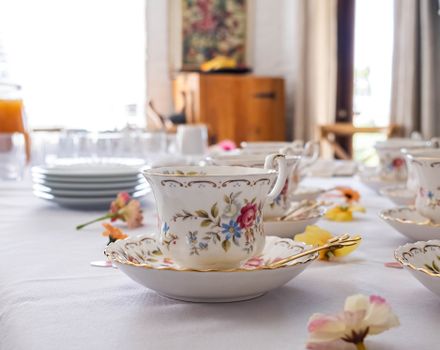
- Antique photographs or family heirlooms alongside the cups - Small placards or tags describing each cup’s history or maker - Seasonal decorations, such as floral arrangements or vintage linensFor example, pairing a set of Edwardian tea cups with a lace doily and a vase of fresh garden roses creates a romantic, nostalgic tableau. Alternatively, a modern, minimalist arrangement with monochrome cups and sleek black shelving might suit a contemporary home.
Remember, the best display is one that brings you joy and sparks conversation. Don’t be afraid to experiment, rotate your cups, and evolve your presentation as your collection grows.
Showcasing Vintage Tea Cups: The Lasting Impact
Presenting your vintage tea cup collection is about more than aesthetics—it’s a celebration of artistry, history, and personal memory. By thoughtfully curating, displaying, lighting, and protecting your collection, you create a living exhibition that enhances your home and shares your passion with others. Whether you favor traditional cabinets or inventive wall displays, the right presentation can turn even a modest assortment into a breathtaking showcase.