Savoring the Experience: Perfecting the Art of Tea with Vintage Teacups
Few rituals evoke a sense of calm and elegance quite like a well-brewed cup of tea enjoyed from a delicate vintage teacup. This tradition, cherished across cultures and generations, is more than a simple beverage break—it’s an immersive sensory experience. While tea itself boasts a captivating history, the vessel from which it is sipped can dramatically influence taste, aroma, and the overall enjoyment. Vintage teacups, with their ornate designs and historical charm, offer a unique opportunity to elevate your tea ritual into an art form.
In this article, we’ll explore how vintage teacups can transform your daily tea routine. We’ll discuss the science of taste and material, the sensory pleasures these teacups provide, how to pair teas with specific vintage cups, and practical care tips to preserve their beauty for years to come. Whether you’re a passionate collector or simply seeking to infuse your tea time with a touch of sophistication, this guide will help you perfect the art of tea with vintage teacups.
The Influence of Teacup Materials on the Tea Experience
Not all teacups are created equal, and the material of your cup has a measurable impact on how you perceive your tea. Vintage teacups are most commonly crafted from porcelain, bone china, or fine ceramics—each with distinct characteristics that enhance the tea-drinking experience.
Porcelain, renowned for its translucence and smooth finish, is non-porous and doesn’t absorb flavors. This means your tea tastes as pure as intended, with no lingering aftertastes from previous brews. Bone china, a type of porcelain that incorporates bone ash, is celebrated for its lightweight feel and luminous quality. It is strong despite its delicate appearance and is often associated with high-end vintage teacups from English manufacturers like Royal Albert and Wedgwood.
Ceramic teacups, while slightly heavier, can retain heat well and often feature hand-painted designs, adding a tactile and visual pleasure. According to a 2021 study by the Tea & Herbal Association of Canada, 62% of tea enthusiasts reported that the feel of a cup in hand and its thermal properties significantly influenced their enjoyment of tea.
| Material | Typical Vintage Example | Thermal Retention | Taste Interference | Durability |
|---|---|---|---|---|
| Porcelain | Meissen, Limoges | Moderate | None | High |
| Bone China | Royal Albert, Wedgwood | Moderate | None | Very High |
| Ceramic | Hand-Painted Asian Cups | High | Minimal | Medium |
| Glass | Depression-Era Cups | Low | None | Moderate |
Understanding these materials helps tea lovers select the ideal cup for both taste and feel, enhancing every aspect of their tea ritual.
Enhancing Aromatics and Flavor: The Science Behind Cup Shapes
The shape of a vintage teacup does more than provide visual delight; it also plays a vital role in the way you perceive aroma and flavor. Narrow, tulip-shaped cups are designed to concentrate the tea’s fragrant steam toward your nose, making each sip an aromatic journey. Wide-brimmed cups, on the other hand, allow the tea to cool more quickly and let delicate floral or green teas “breathe.”
A 2015 study conducted by the University of Oxford found that the shape and color of a drinking vessel can alter the perceived intensity and taste of a beverage by up to 20%. For example, white or light-colored cups can make tea appear more vibrant, affecting our expectations of flavor.
Many vintage English teacups feature a gently flared rim, which helps direct the flow of tea smoothly onto the palate, amplifying subtle notes. Japanese vintage cups, often cylindrical and handleless, were historically crafted to be cupped in both hands, providing warmth and inviting mindfulness with each sip.
Selecting a teacup shape that complements your preferred tea type can significantly heighten your sensory experience. For robust black teas, a slightly thicker, wide-brimmed cup releases rich aromatics, while a slender cup suits delicate green or white teas.
The Ritual of Tea: Mindfulness and Connection with Vintage Teacups
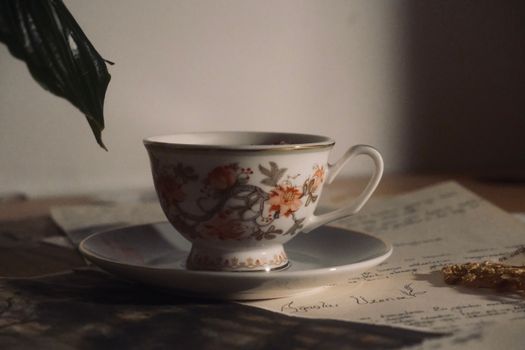
Drinking tea from a vintage teacup is not just about taste—it’s about the ritual. The act of choosing a cherished cup, admiring its intricate patterns, and savoring the warmth in your hands naturally invites mindfulness. In a world where so much is rushed and digital, this tactile, analog experience serves as a powerful antidote to stress.
Studies have shown that slowing down and engaging in intentional rituals, such as tea drinking, can reduce cortisol levels and promote feelings of well-being. A 2020 survey by the UK Tea & Infusions Association revealed that 54% of respondents felt more relaxed when using a beloved or beautiful teacup compared to a generic mug.
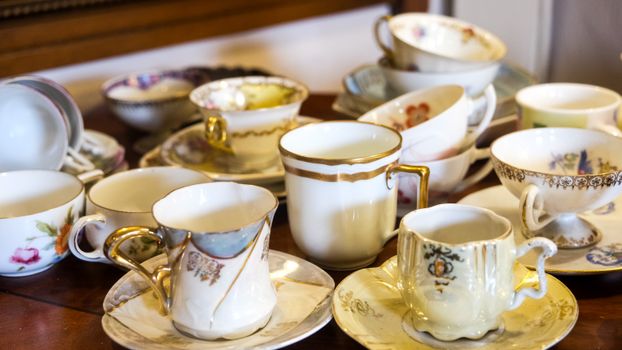
Additionally, vintage teacups often carry stories—perhaps they are family heirlooms, flea market finds, or gifts from a friend. Each cup can become a vessel of memory and connection, making every tea session a celebration of history and personal narrative.
Pairing Teas with Vintage Teacups: Creating a Harmonious Experience
To perfect the art of tea, consider matching your tea selection to the character of your vintage teacup. This mindful pairing enhances both the visual appeal and the sensory enjoyment of tea time.
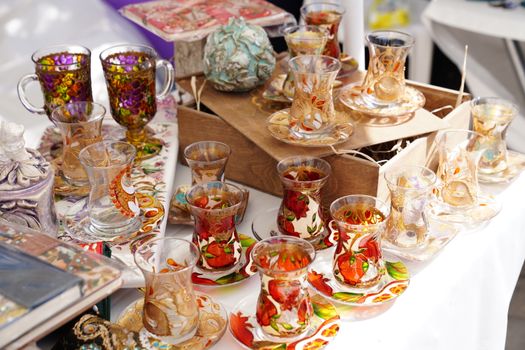
- Black Teas: Bold blends like Earl Grey or Assam are well-suited to sturdy bone china cups, which retain heat and showcase the tea’s rich color. - Green Teas: Delicate Japanese or Chinese cups, often smaller and thinner, highlight the gentle flavors and aroma of green teas. - Herbal Infusions: For colorful tisanes, opt for clear glass vintage cups, such as Depression glass, to showcase the vibrant hues. - Oolong and White Teas: Porcelain cups with a flared rim allow these nuanced teas to “open up” and reveal their subtle notes.A harmonious pairing creates an immersive experience, marrying the visual, aromatic, and tactile pleasures of tea.
Caring for Vintage Teacups: Preservation and Practical Tips
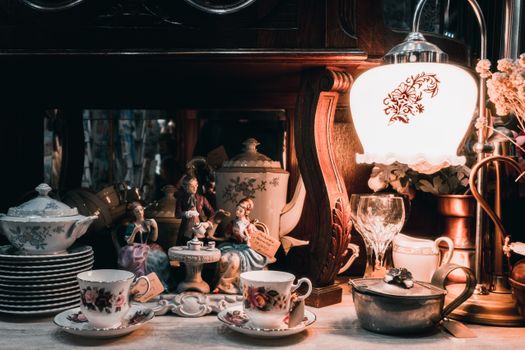
Vintage teacups are works of art, often hand-painted and adorned with gilded details. Proper care is essential to preserve their beauty and functionality for future generations.
- Hand Wash Only: Avoid dishwashers, as high heat and strong detergents can fade patterns and damage gilding. - Use Mild Detergents: Choose a gentle, non-abrasive soap and a soft sponge. Harsh scrubbing can wear away delicate designs. - Avoid Sudden Temperature Changes: Pouring boiling water directly into a cold cup can cause cracks. Pre-warm your cup with hot tap water before adding tea. - Store Safely: Display teacups in closed cabinets to protect from dust and accidental knocks. If stacking, place a soft cloth or paper between cups to prevent scratches. - Inspect Regularly: Check for hairline cracks or chips and reserve damaged cups for display rather than daily use.With these care tips, a well-loved vintage teacup can remain a cherished companion for a lifetime of tea moments.
Elevating Social Gatherings with Vintage Teacups
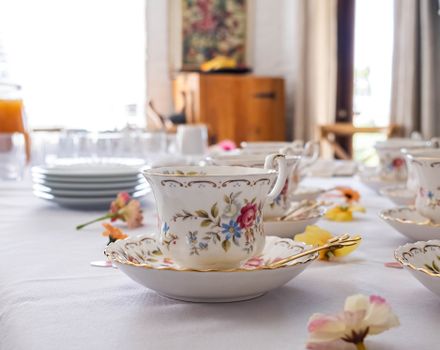
Serving tea in vintage teacups can transform an ordinary gathering into a memorable event. Afternoon tea parties, book clubs, or even small family get-togethers gain an air of sophistication and warmth when guests are invited to select their own unique cup.
In the United States, the trend of “vintage tea parties” has seen a 35% rise in popularity between 2018 and 2023, according to Google Trends data. This revival is credited not only to nostalgia but also to a desire for sustainable, reusable alternatives to disposable tableware. Vintage teacups offer both eco-friendly appeal and the opportunity to spark conversation, as each cup has its own story.
Try theming your event around the regions or eras represented by your teacups, or offer a tasting menu of teas paired with specific cup styles. These thoughtful touches elevate the social dimension of tea, creating cherished memories for all involved.
Final Thoughts: The Enduring Allure of Vintage Teacups in Tea Rituals
Perfecting the art of tea is as much about the vessel as it is about the leaf. Vintage teacups, with their rich history, tactile pleasure, and unique aesthetic, invite us to slow down and savor each sip. Whether you are enjoying a solitary moment of reflection or hosting a gathering of friends, the right teacup can enhance flavor, evoke memories, and transform the simple act of drinking tea into a mindful ritual.
By understanding the science behind materials and shapes, caring for your collection, and thoughtfully pairing teas with cups, you can elevate your daily tea routine into an artful experience. In a fast-paced world, the vintage teacup stands as a beautiful reminder to pause, appreciate craftsmanship, and celebrate life’s small pleasures—one cup at a time.