If you’ve recently discovered the enchanting world of vintage tea cups, you’re not alone. Over the past decade, interest in vintage tea ware has grown by an estimated 28% worldwide, with collectors ranging from casual enthusiasts to seasoned experts. But for beginning collectors, the sheer variety of styles, makers, eras, and price points can be overwhelming. How can you be sure you’re making smart choices that will bring you lasting joy and perhaps even appreciate in value? This in-depth guide will walk you through the best tips for choosing vintage tea cups, so you can start your collection with confidence and clarity.
The Allure of Vintage Tea Cups: What Makes Them Special?
Before you begin your collection, it’s worth understanding why vintage tea cups hold such fascination. These delicate vessels are more than just functional objects; they are miniature works of art that capture the design trends, craftsmanship, and social customs of their eras.
Some notable facts: - The first porcelain tea cups appeared in Europe in the early 18th century, inspired by imported Chinese wares. - Renowned English makers like Royal Albert and Wedgwood have produced over 300 distinct patterns each since their founding. - A rare Shelley “Queen Anne” trio sold for over $1,200 at auction in 2022, demonstrating both demand and value appreciation.For many collectors, the appeal lies in the blend of beauty, history, and nostalgia. Each cup tells a story — of afternoon teas, skilled artisans, and the evolution of style. Knowing what to look for will help you build a collection that is both personally meaningful and potentially valuable.
Setting a Focus: Choosing a Theme for Your Collection
One of the biggest mistakes new collectors make is buying tea cups at random, leading to a mismatched assortment that lacks cohesion. The most satisfying—and often valuable—collections have a theme or focus. Consider these popular approaches:
- Era: Specialize in a time period, such as Victorian, Art Deco, or Mid-Century Modern. Each era has distinct shapes, motifs, and colors. - Maker: Focus on a particular manufacturer, like Paragon, Aynsley, or Limoges. Some collectors aim to own every pattern from their favorite maker. - Country of Origin: English, German, French, and Japanese tea cups all have unique characteristics. - Pattern: Some patterns, like Royal Albert’s “Old Country Roses,” are iconic and widely collected. - Use: Collect demitasse cups, handled bouillon cups, or full-sized teacups, depending on your interests.Setting a focus helps you make informed choices, avoids impulse buys, and can increase the overall value and desirability of your collection.
Evaluating Condition: The Key to a Good Investment
Condition is paramount in vintage tea cup collecting. Even the most beautiful or rare cup may be worth little if it’s chipped, cracked, or heavily crazed. Here are some tips for assessing condition:
- Hold the cup up to a bright light to check for hairline cracks, which can be hard to spot. Use your finger to gently tap the rim; a clear “ping” usually means it’s sound, while a dull thud can indicate damage. - Inspect for chips, especially around the rim and base. Even tiny nicks can dramatically reduce value. - Check for crazing (fine cracks in the glaze). While some collectors accept minor crazing, especially in older pieces, it’s generally less desirable. - Examine the paint and gilding. Faded designs or worn gold trim can affect value, though some patina may add character. - Examine the handle: is it firmly attached? Handles are a common point of stress and repair.For beginning collectors, it’s wise to prioritize condition over rarity. A pristine, common cup is often more satisfying than a rare piece with visible flaws.
Understanding Markings and Backstamps: Decoding the Details
One of the fascinating aspects of vintage tea cups is the information stamped, printed, or painted on their bases. These markings, known as backstamps, can reveal the manufacturer, country of origin, date, and sometimes even the pattern name.
Common backstamp features: - Maker’s Name: Look for well-known names like Shelley, Haviland, and Coalport. - Pattern Number: Some makers used codes instead of names. - Country of Origin: After 1891, most exported ceramics were required to state their country (e.g., “Made in England”). - Registration Numbers: In the UK, “Rd No” followed by a number can help you date the piece. - Artist Initials: Some hand-painted cups, especially from Japan and France, include the decorator’s initials.Comparative Table: Backstamp Clues by Era
| Era | Backstamp Example | Key Clues |
|---|---|---|
| Pre-1891 | Maker only (e.g., "Coalport") | No country of origin listed |
| 1891-1920 | "Made in England" | Country added per McKinley Tariff Act |
| 1920-1950 | Pattern name/number, "Bone China" | More detailed marks, sometimes gold-printed |
| Post-1950 | Modern logo, "Dishwasher Safe" | Not truly vintage, less collectible |
Learning to interpret these marks will help you avoid reproductions, spot rare finds, and better understand your collection’s history.
Where to Buy Vintage Tea Cups: Sourcing with Confidence
The hunt is part of the fun! But where you buy can impact both the quality and price of your collection. Here are some of the best sources for beginners:
- Antique Shops: While prices may be higher, you can handle the cups and ask questions. - Estate Sales: Often yield bargains and entire sets, but arrive early for the best selection. - Online Marketplaces: Sites like eBay, Etsy, and Ruby Lane offer a vast array, but require careful reading of descriptions and attention to seller ratings. - Local Auctions: Sometimes overlooked, auctions can yield treasures at competitive prices. - Flea Markets and Thrift Stores: Great for serendipitous finds, though patience and persistence are needed. Tips for online buying: - Request extra photos, especially of marks and any flaws. - Check the seller’s return policy. - Use secure payment methods.According to a 2023 survey, over 62% of new collectors made their first purchase online, but 78% said they learned the most from handling cups in person. Combining both approaches offers the best education and variety.
Budgeting and Value: How Much Should You Spend?
For beginners, it’s easy to get carried away by the beauty and variety of vintage tea cups. Prices can range from $5 for a mass-produced cup to several hundred (or more) for rare or highly sought-after pieces. But you don’t need deep pockets to start a rewarding collection.
Some budgeting tips: - Set a monthly or yearly limit. Starting with $50-$100 can yield several attractive, good-condition cups. - Research recent sale prices for your chosen focus, using online auction results and collector forums. - Remember that rarity doesn’t always equal value. A less common pattern from an obscure maker may not attract buyers. - Consider the investment aspect. Historically, fine English bone china from makers like Shelley and Royal Albert holds value well, while mass-market 20th-century Japanese cups may not.Fun fact: A 2021 study found that the average price paid for a vintage tea cup in the US was $28, with 15% of buyers spending more than $100 on a single piece.
Displaying and Enjoying Your Vintage Tea Cups
While some collectors tuck their tea cups safely away, others display them proudly. Here are some ideas for showcasing your treasures:
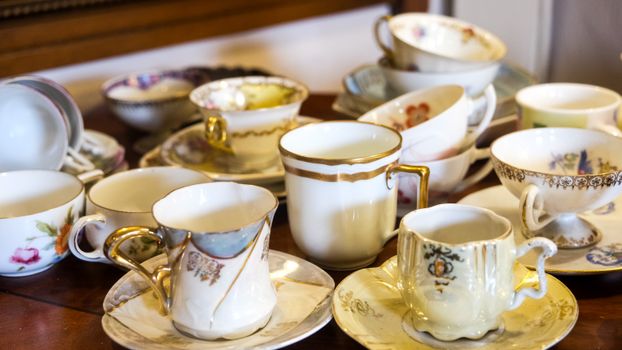
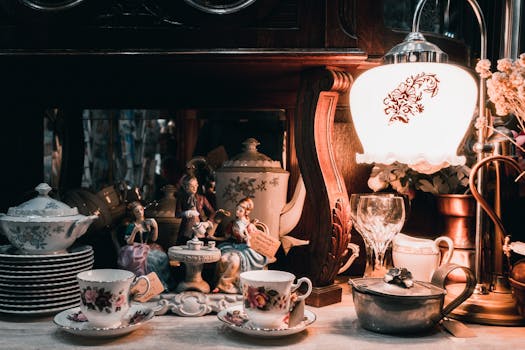
- Open Shelving: Arrange cups by color, era, or maker for a visually striking display. - Glass-front Cabinets: Protects from dust and accidental knocks. - Wall-mounted Racks: A charming way to feature your favorites in a kitchen or dining room. - Themed Tea Parties: Rotate the cups to use and enjoy them with friends.Use plate stands or cup hooks to keep each piece safe and visible. Avoid direct sunlight, which can fade colors and weaken porcelain over time.
Remember, collecting vintage tea cups is about enjoyment. Don’t be afraid to use your cups for their original purpose—just wash them by hand to preserve their beauty!
Final Thoughts on Choosing Vintage Tea Cups for Beginners
Starting a vintage tea cup collection is a journey into history, artistry, and personal taste. By focusing your collection, learning to assess condition and backstamps, sourcing wisely, and setting a comfortable budget, you can build a collection that brings lasting pleasure and perhaps even grows in value.
Whether you’re drawn to dainty florals, bold Art Deco shapes, or elegant gold trim, the world of vintage tea cups offers endless variety and discovery. Start small, learn as you go, and most importantly—choose pieces that make you smile every time you see them.