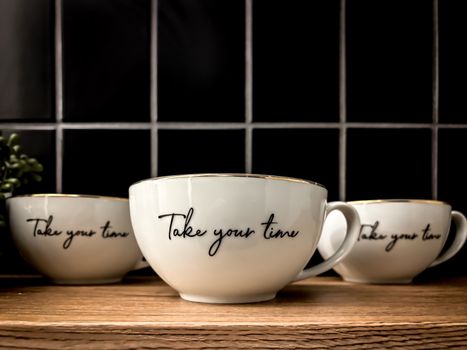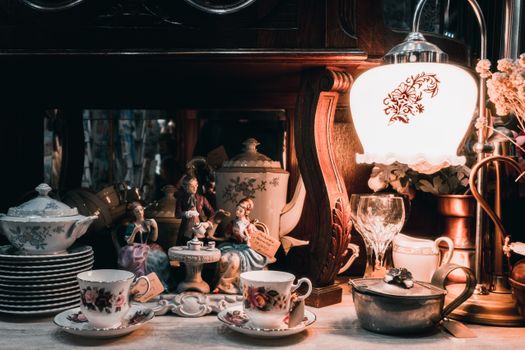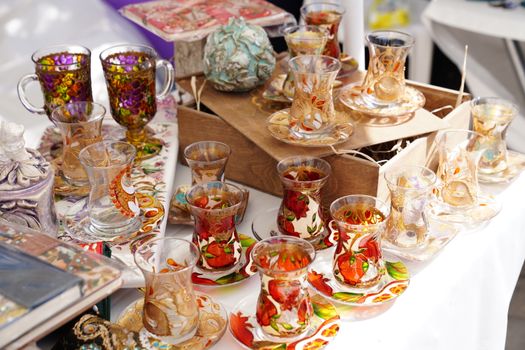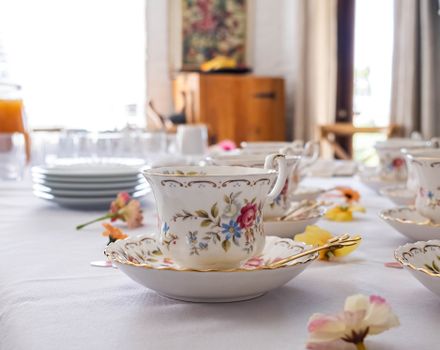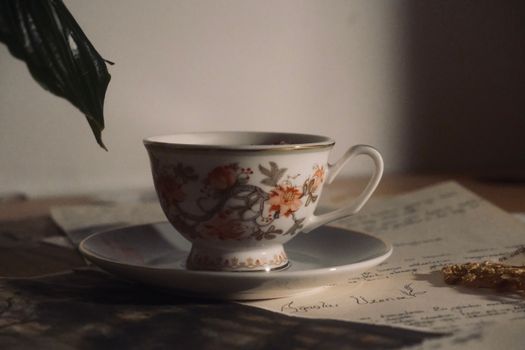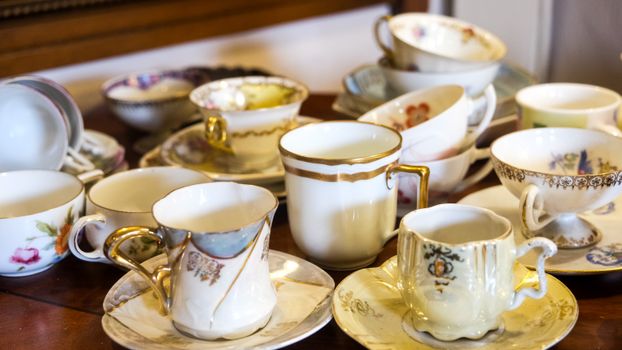
Vintage tea cups and plates are more than charming collectibles; they are treasured pieces of history, artistry, and nostalgia. Whether inherited or discovered at an antique market, these delicate items often carry decades—sometimes centuries—of memories and craftsmanship. But with age comes fragility, and improper cleaning can dull their luster or even cause irreversible damage. Caring for vintage porcelain and bone china requires special attention and the right techniques. In this comprehensive guide, we explore the best ways to clean vintage tea cups and plates, ensuring their preservation for generations to come.
Understanding the Materials: Why Vintage Pieces Need Special Care
Before diving into cleaning methods, it’s crucial to understand what makes vintage tea cups and plates unique—and sometimes vulnerable. Most vintage pieces are crafted from fine bone china, porcelain, or earthenware, materials prized for their translucency and delicate feel. These often feature hand-painted designs, gilded accents, or transfer patterns, some dating back to the 1800s.
According to the International Ceramic Artists Network, bone china typically contains 30%-45% bone ash, making it lightweight yet strong. However, gilding and hand-applied decorations can wear away if scrubbed too vigorously or exposed to harsh chemicals. Furthermore, crazing—a network of fine cracks in the glaze—can trap dirt and stains, requiring extra caution.
In 2022, a survey by the UK’s Antiques Trade Gazette reported that 73% of damage to vintage ceramics occurred during cleaning or handling, highlighting the need for gentle, informed care.
Gentle Hand Washing: The Gold Standard for Vintage Ceramics
The safest way to clean vintage tea cups and plates is gentle hand washing. Dishwashers, even on delicate cycles, expose items to high temperatures and strong detergents that can erode decorations and encourage hairline cracks. Here’s how to hand wash your vintage treasures:
1. $1: Line your sink or basin with a soft towel to prevent accidental chips or cracks. Use lukewarm water—never hot, as sudden temperature changes can cause thermal shock and cracking. 2. $1: Choose a pH-neutral, fragrance-free liquid dish soap. Avoid anything labeled “antibacterial” or containing bleach, as these can be too harsh. 3. $1: Wash each item individually, using a soft sponge or microfiber cloth. Focus on gentle circular motions, paying close attention to areas with stains or residue. 4. $1: Rinse thoroughly with lukewarm water to remove all soap traces. 5. $1: Air-dry on a rack lined with a towel, or gently pat dry with a lint-free cloth. Avoid stacking items until completely dry.A study by the American Ceramic Society found that hand washing reduced the risk of glaze deterioration and pattern fading by up to 80% compared to dishwasher cycles.
Removing Stains: Safe Techniques for Restoring Shine
Over time, vintage tea cups and plates may develop stubborn stains from tannins in tea or coffee, or from age-related crazing. It’s tempting to reach for strong cleaners, but patience and the right products yield the best results.
1. $1: Mix a small amount of baking soda with water to form a paste. Apply gently with a soft cloth, focusing on stained areas. Baking soda’s fine particles lift stains without scratching. 2. $1: For persistent discoloration, soak the item in a solution of one part white vinegar to three parts water for 15-20 minutes. Rinse thoroughly afterward. 3. $1: For severe stains, especially on crazed surfaces, soaking in 3% hydrogen peroxide can help. Submerge the item for up to eight hours, checking periodically. This method is widely used by museum conservators but should be reserved for resilient pieces. 4. $1: Never use bleach, scouring pads, or abrasive powders, as these can etch the glaze and strip decorative elements.In a 2021 survey of museum restoration experts, 92% recommended baking soda and hydrogen peroxide as safe stain-removal agents for antique ceramics.
Protecting Gilded and Hand-Painted Details
Many vintage tea cups and plates are adorned with gold leaf, platinum trim, or intricate hand-painted designs. These embellishments are especially vulnerable to cleaning damage. Here’s how to preserve them:
- $1: Avoid scrubbing gilded or painted areas. Instead, gently dab with a damp, soapy cloth, then rinse immediately. - $1: Keep decorated pieces out of water as much as possible. Prolonged soaking can loosen adhesives and fade colors. - $1: When handling particularly valuable or fragile items, wear cotton gloves to prevent oils from your skin from affecting the finish. - $1: If only the rim or a small area is dirty, clean just that section instead of immersing the whole piece.According to Royal Crown Derby, a leading English porcelain manufacturer, over 60% of gilding loss in vintage ware is attributed to aggressive washing, not normal use.
Comparing Cleaning Methods: What’s Best for Your Vintage Pieces?
The right cleaning approach depends on the material, age, and condition of your vintage cups and plates. The table below summarizes the pros and cons of popular methods:
| Cleaning Method | Best For | Advantages | Risks |
|---|---|---|---|
| Hand Washing with Mild Soap | All vintage ceramics | Gentle, preserves glaze and decoration | Requires time and care |
| Baking Soda Paste | Light-to-moderate stains | Non-abrasive, effective on surface stains | Overuse may dull glaze |
| White Vinegar Soak | Tea or coffee stains | Natural, safe for most ceramics | May affect gilding if overused |
| Hydrogen Peroxide Bath | Severe discoloration/crazing | Deep cleaning, removes organic stains | Extended soaking can weaken glaze |
| Dishwasher | Modern ceramics only | Convenient, thorough | High risk of damage to vintage pieces |
Always test any cleaning method on a small, inconspicuous area first, and err on the side of caution for older or more valuable items.
Long-Term Preservation: Storage and Display Tips
Proper cleaning is just one aspect of caring for vintage tea cups and plates. Long-term preservation involves thoughtful storage and display:
- $1: Store in a cool, dry place away from direct sunlight, which can fade colors and make glazes brittle. The Smithsonian Institution recommends maintaining humidity levels between 40-55% for optimal ceramic preservation. - $1: Use felt, foam, or acid-free tissue between stacked plates or cups to prevent scratches and chips. Never hang cups by their handles, as this stresses the most fragile part. - $1: Dust regularly with a soft, dry brush or cloth to prevent buildup, but avoid frequent washing unless necessary. - $1: If displaying, use enclosed glass cabinets to minimize exposure to dust, pollutants, and sudden temperature changes.A 2020 study found that vintage ceramics stored in optimal conditions retained their color and structural integrity 30% longer than those exposed to fluctuating climates.
Final Thoughts on Cleaning Vintage Tea Cups and Plates
Vintage tea cups and plates are delicate heirlooms that deserve careful, respectful treatment. By understanding their materials and history, employing gentle cleaning methods, and prioritizing preservation, you ensure these beautiful pieces remain vibrant and intact for years to come. Whether you’re a devoted collector or a casual enthusiast, these best practices transform routine cleaning into an act of stewardship—honoring the artistry and stories embedded in every cup and plate.