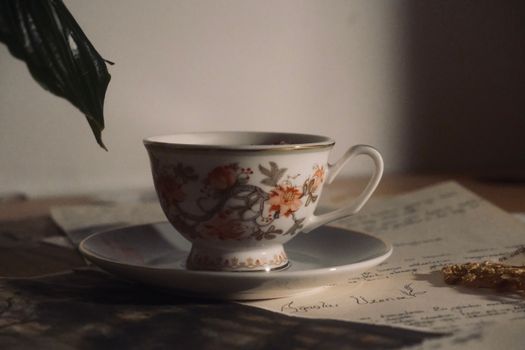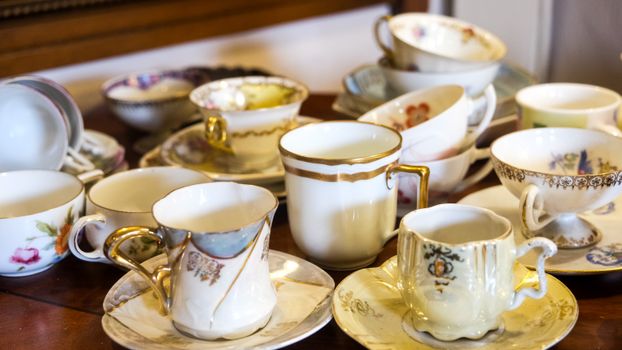
Vintage teacups are more than just delicate porcelain vessels—they are icons of elegance, nostalgia, and social ritual. While their beauty and craftsmanship have long been celebrated, their prominence in popular literature adds an extra layer of intrigue. From classic Victorian novels to contemporary mysteries, the vintage teacup has repeatedly served as a symbol, a plot device, and a reflection of the times. In this article, we’ll explore the multifaceted role of vintage teacups in literature, examining their significance, the themes they evoke, and the stories they help shape.
The Symbolic Power of the Vintage Teacup in Literature
Vintage teacups have appeared in stories throughout literary history, often carrying rich symbolic meaning. In many works, the teacup embodies refinement, tradition, and the comforts of home. For example, in Jane Austen’s “Pride and Prejudice,” tea scenes are central to social interactions, with teacups symbolizing civility and the structured rituals of English society. The act of sharing tea in a fine cup often marks moments of courtship, gossip, or alliance.
Beyond the obvious, teacups sometimes represent fragility—both literal and metaphorical. In Kazuo Ishiguro’s “The Remains of the Day,” the careful handling of fragile teacups mirrors the emotional restraint and repressed anxieties of the characters. Thus, the teacup becomes a vessel for more than tea; it contains unspoken emotions and social codes.
In more modern literature, vintage teacups can also symbolize nostalgia for a bygone era. Their presence evokes a sense of longing for the grace and decorum of the past, especially in stories set against the backdrop of rapid change or loss.
Vintage Teacups as Plot Devices and Catalysts
Beyond their symbolic value, vintage teacups often play a direct role in moving plots forward. They can serve as clues in mysteries, triggers for memory in dramas, or even as items of contention in comedies.
Agatha Christie, the queen of detective fiction, frequently used teacups as critical plot elements. In her novel “A Pocket Full of Rye,” a poisoned teacup leads to a murder, unraveling a web of deceit and suspicion. The detailed descriptions of the teacup, its placement, and its contents become essential for both the detective and the reader in solving the crime.
In other genres, teacups act as catalysts for character development or revelation. A chipped or mismatched cup might signal a character’s fall from grace or a hidden vulnerability. In children’s literature, such as Lewis Carroll’s “Alice’s Adventures in Wonderland,” the Mad Hatter’s tea party—complete with an array of vintage teacups—provides a surreal setting for Alice’s journey and the story’s playful logic.
Comparing the Use of Teacups Across Genres
The depiction and function of vintage teacups vary widely depending on the literary genre. To illustrate, here’s a comparative overview of how authors employ teacups in different types of stories:
| Genre | Role of Vintage Teacup | Notable Example | Symbolic Meaning |
|---|---|---|---|
| Victorian Novels | Setting for social interaction | “Pride and Prejudice” by Jane Austen | Refinement, etiquette, societal norms |
| Mystery/Crime | Plot device, murder weapon, clue | “A Pocket Full of Rye” by Agatha Christie | Deception, danger beneath civility |
| Fantasy | Portal to magical or surreal worlds | “Alice’s Adventures in Wonderland” by Lewis Carroll | Nonsense, transformation, whimsy |
| Contemporary Fiction | Trigger for nostalgia or memory | “The Remains of the Day” by Kazuo Ishiguro | Longing, loss, emotional fragility |
This table highlights not only the versatility of vintage teacups in literature but also the depth of meaning authors can imbue into such a seemingly simple object.
Teacups as Reflections of Societal Change
Literature often uses everyday objects to mirror larger societal shifts, and vintage teacups are no exception. In many novels set during periods of social upheaval, the teacup serves as a poignant reminder of changing values and the erosion of tradition.
During the early 20th century, as British society moved away from rigid Victorian norms, authors began to depict tea rituals with a sense of irony or loss. E. M. Forster’s “Howards End” (1910) features scenes where the ritual of tea serves both as a bridge and a barrier between characters of different classes and values.
In contrast, American literature sometimes uses the teacup to highlight the adoption or adaptation of European customs. In Edith Wharton’s “The Age of Innocence,” the serving of tea in delicate china becomes a marker of Old World elegance transplanted into New York’s Gilded Age, reflecting both aspiration and alienation.
As the 20th century progresses, the teacup’s role in literature evolves. It becomes a relic, an object imbued with personal or familial history, often cherished by characters striving to maintain a connection to their roots amid the pressures of modernity.
Notable Vintage Teacups in Literary History
Certain works of literature have elevated specific teacups to iconic status, intertwining their descriptions with themes of memory, identity, and transformation. For example, in Virginia Woolf’s “Mrs. Dalloway,” Clarissa Dalloway’s preparations for her party include selecting the right teacups, which symbolize her desire to create order and beauty in a chaotic world.
In more recent times, J.K. Rowling’s “Harry Potter and the Prisoner of Azkaban” features Professor Trelawney’s Divination class, where students read tea leaves in vintage cups. Here, the teacup becomes a tool for prophecy and self-discovery, blending the mundane with the mystical.
Interestingly, the presence of vintage teacups in literature is not limited to English-speaking authors. In Chinese literature, the teacup often carries connotations of familial duty, harmony, and the passage of time. For instance, Amy Tan’s “The Joy Luck Club” uses tea ceremonies to explore generational differences and cultural identity, with vintage cups serving as tangible links to the past.
The Enduring Appeal of Vintage Teacups in Storytelling
Why do vintage teacups continue to captivate writers and readers alike? One reason is their ability to evoke a sense of place and time. A well-described teacup can instantly transport the reader to a 19th-century drawing room, a sunlit garden, or a mysterious manor. The teacup’s visual appeal—its patterns, colors, and imperfections—also provides authors with a rich palette for imagery and metaphor.
Additionally, the ritual of tea-drinking, especially with vintage cups, is inherently social yet intimate. It offers a stage for character interaction, confession, and revelation. Whether used to mask tension, foster connection, or conceal secrets, the vintage teacup remains a versatile and evocative literary tool.
Perhaps most importantly, vintage teacups represent the intersection of the ordinary and the extraordinary. They are everyday objects that, in the hands of skilled storytellers, become vessels of meaning—holding not just tea, but the complexities of human experience.