Teacups are more than just delicate vessels for sipping tea—they are miniature pieces of art, windows into history, and cherished collectibles. For many, the world of teacup collecting is both fascinating and bewildering, particularly when it comes to understanding the difference between "antique" and "vintage" teacups. These terms are often used interchangeably in casual conversation, but in the world of collecting, they have clear, important distinctions. Whether you’re a budding collector, a curious enthusiast, or simply want to know what makes Grandma’s teacup special, understanding these differences can enrich your appreciation and guide your collecting journey.
Defining Antique and Vintage Teacups: Core Differences
The first step in understanding the world of collectible teacups is to clarify what "antique" and "vintage" actually mean. While both categories refer to items from the past, there are specific definitions widely recognized by collectors, dealers, and appraisers.
Antique teacups are generally defined as those that are at least 100 years old. This age benchmark is recognized by authorities such as the United States Customs Service and most antique dealers worldwide. For example, as of 2024, any teacup made in or before 1924 would be classified as antique.
Vintage teacups, on the other hand, are typically between 20 and 99 years old. While there’s no universally agreed-upon starting point for "vintage," most experts and collectors use the 20-year rule. This means a teacup produced between 1925 and 2004, for example, would be considered vintage.
It’s important to note that "retro" is sometimes used to describe items from the recent past, usually from the 1960s to 1980s, but for teacups, "vintage" remains the preferred term.
Historical Context: How Teacup Styles Reflect Their Era
Antique and vintage teacups are shaped not only by their age but also by the cultural and technological context of their time. Examining these differences can reveal fascinating stories.
Antique teacups, common from the late 18th to early 20th centuries, often reflect the ornate styles and craftsmanship of periods such as Georgian, Victorian, and Edwardian England. These cups were frequently made of fine bone china or porcelain, hand-painted with elaborate floral motifs, gilding, and sometimes even adorned with raised enamel or transferware patterns. For example, a Coalport teacup from the early 1800s might feature intricate gold filigree and hand-painted roses.
Vintage teacups, by contrast, tend to reflect the design trends and mass manufacturing capabilities of the 20th century. Art Deco influences in the 1920s and 30s brought about bold geometric patterns, while mid-century modern styles in the 1950s favored sleek lines and pastel colors. By the 1970s and 80s, teacups became more eclectic, often sporting whimsical patterns and vibrant glazes.
A key difference is production: antique teacups were often made in smaller batches, with significant handwork, while vintage teacups, especially post-World War II, benefited from industrial scaling and new glazing techniques.
Materials and Manufacturing Techniques: What Sets Them Apart
Materials and methods used to create teacups provide further clues to their classification.
Antique teacups were typically crafted from high-quality bone china, hard-paste porcelain, or soft-paste porcelain. Bone china, invented in England around 1748, is particularly prized for its translucency, strength, and creamy white appearance. Early porcelain teacups were often hand-thrown and hand-painted, with decorations applied prior to multiple firings. The labor-intensive process meant that no two cups were exactly alike.
Vintage teacups, especially those made after the 1940s, were often produced using more automated processes. Slip-casting, a method using liquid clay poured into molds, allowed for consistent shapes and thinner walls. Decoration techniques shifted toward transfer printing, decals, and even airbrushing, enabling mass production. Materials also diversified, with the introduction of new types of porcelain, stoneware, and even glass.
A striking example is the difference between a late Victorian Paragon teacup (hand-painted, bone china, gold-trimmed) and a 1960s Royal Albert teacup (machine-made, transfer-printed patterns, more robust for everyday use).
Value and Collectibility: How Age and Rarity Influence Worth
Collectors often wonder: does age automatically make a teacup more valuable? The answer is nuanced and depends on several factors.
Antique teacups, due to their age, rarity, and craftsmanship, can command high prices, especially if they are in excellent condition, bear a sought-after maker’s mark, or feature unique hand-painted designs. For instance, a pristine 19th-century Meissen teacup can sell for over $1,000 at auction, while a rare Spode cup from the 1820s may fetch several hundred dollars.
Vintage teacups, while generally less rare, are highly collectible in their own right. Certain makers and patterns—such as the Royal Albert “Old Country Roses” line (introduced in 1962 and still in production today)—are beloved by collectors worldwide. Some limited-edition vintage cups from the mid-20th century can reach prices of $100-$300, especially if they’re part of a complete trio (cup, saucer, plate) and in mint condition.
Condition is crucial for both categories: chips, cracks, or crazing (fine cracks in the glaze) can significantly reduce value. Provenance (the cup’s origin and history) and documentation (original boxes, receipts, or catalog entries) can further increase desirability.
Here’s a comparison of typical price ranges and characteristics:
| Category | Age | Materials | Decorations | Typical Price Range (2024) |
|---|---|---|---|---|
| Antique Teacups | 100+ years | Bone china, porcelain | Hand-painted, gilded, intricate | $100 - $1,500+ |
| Vintage Teacups | 20-99 years | Bone china, porcelain, stoneware | Transfer prints, bold colors, modern motifs | $20 - $300 |
Identifying Marks and How to Date Teacups
One of the most reliable ways to determine whether a teacup is antique or vintage is by examining its maker’s mark or backstamp. These marks are typically found on the underside of the cup and can provide valuable information about the manufacturer, country of origin, and sometimes even the year of production.
Antique teacups often have hand-painted or impressed marks, sometimes including the name of the pottery, the country, and a pattern number. For example, the famous Sevres factory in France used a double "L" mark, while many English teacups from the 1800s include "England" after 1891 (following the McKinley Tariff Act). Early marks may be difficult to read, faded, or partially worn away due to age.
Vintage teacups usually have clearer, printed marks, sometimes including a registry number or even a date. Royal Albert, for instance, added the pattern name and “Bone China England” in a standardized font from the 1950s onward. Japanese teacups from the 1950s onwards often feature “Made in Occupied Japan”.
Reference books and online databases—like Kovels or the International Ceramic Directory—can help decipher these marks. Some collectors also use smartphone apps that recognize and date backstamps from photos.
Practical Uses and Display: How Antique and Vintage Teacups Are Enjoyed Today
While collecting teacups is an absorbing hobby, many people also want to use or display their finds. The distinction between antique and vintage teacups can influence how they are enjoyed.
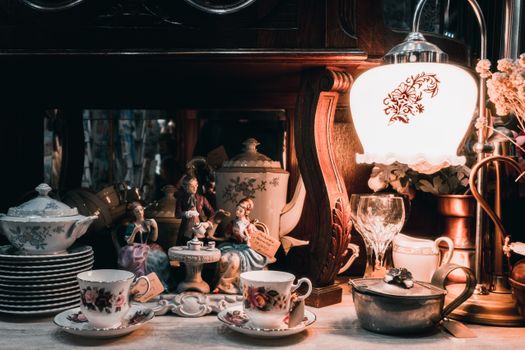
Antique teacups, due to their fragility and value, are often displayed in glass-fronted cabinets or on open shelving, sometimes grouped by style or era. Some collectors use plate stands or wall hooks to create visually stunning arrangements. While it’s possible to drink from an antique cup, most experts recommend against daily use due to the risk of damage and, in some cases, the presence of lead-based glazes.
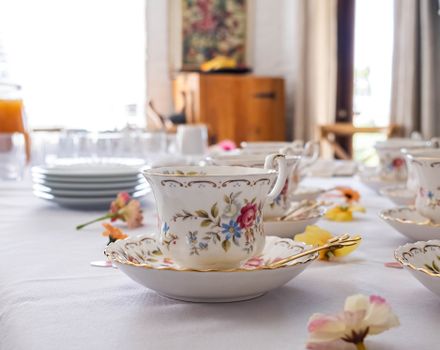
Vintage teacups, being more robust and less rare, are often pressed into service for tea parties, special occasions, or even everyday use. Many people enjoy mixing and matching vintage patterns for a whimsical, eclectic table setting. Vintage teacups also lend themselves to creative upcycling—think teacup candles, planters, or even jewelry holders.
Both types make meaningful heirlooms and conversation pieces, connecting families and friends to the rituals and aesthetics of bygone eras.
Final Thoughts on the Difference Between Antique and Vintage Teacups
The world of teacup collecting is rich and varied, and understanding the difference between antique and vintage teacups is essential for any enthusiast. While the difference often boils down to age—antique being 100 years or older, vintage being 20-99 years—the distinction goes much deeper. Each category reflects its own historical context, production techniques, and aesthetic trends. Knowing what sets them apart can help you make informed decisions, whether you’re searching for a rare Georgian cup or adding a splash of mid-century color to your kitchen shelf.
As you explore, remember that condition, maker’s marks, and provenance all matter—sometimes as much as the cup’s age. Most importantly, collecting teacups is about enjoyment, appreciation, and connecting with the stories of the past, one sip at a time.