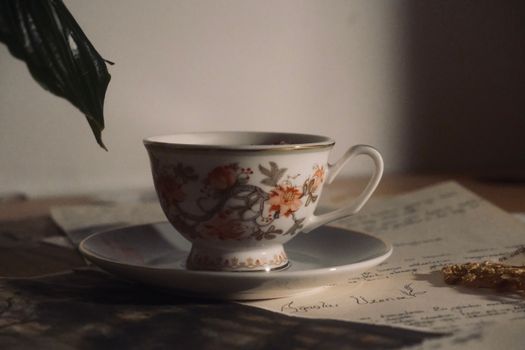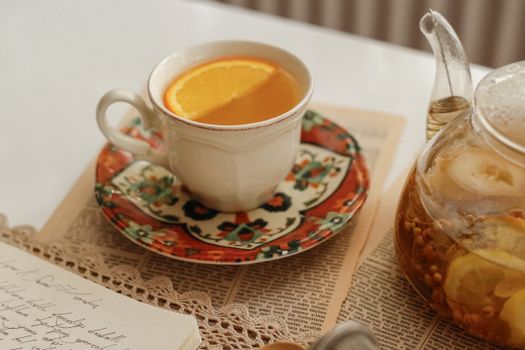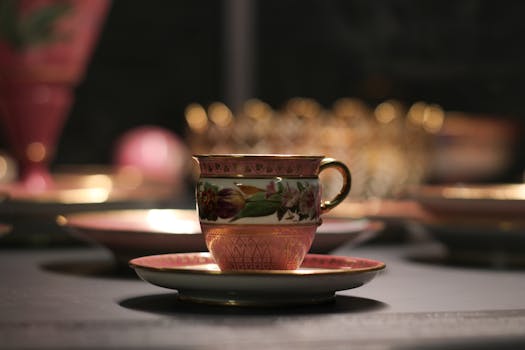
Selecting the ideal vintage tea set for your home is more than a matter of taste—it's about finding pieces that match your lifestyle, suit your décor, and offer lasting value. With the global vintage market expected to reach $67.7 billion by 2028, according to MarketWatch, the demand for authentic, unique tea sets continues to rise. Whether you’re a passionate collector, an occasional tea drinker, or simply seeking a beautiful accent for your dining room, understanding how to choose a vintage tea set can make your experience more rewarding. Let’s dive into the key factors, styles, and comparisons to help you make an informed decision for your home.
The Appeal of Vintage Tea Sets: More Than Just Tableware
Vintage tea sets captivate for many reasons. They're not only functional pieces for serving tea but also works of art, conversation starters, and tangible connections to the past. Collectors and homeowners are drawn to them for their:
- Unique craftsmanship: Many vintage tea sets are hand-painted, gilded, or made with techniques rarely seen today. - Historical significance: Each set often reflects the fashions, values, and technologies of its era. - Sustainability: Reusing vintage items helps reduce waste and supports a circular economy.A 2022 survey by Antique Collectors Club found that 72% of respondents felt vintage tableware added “character and charm” to their homes, while 61% believed it made gatherings feel more special.
Identifying Your Tea Set Needs: Purpose, Use, and Setting
Before browsing antique shops or online marketplaces, clarify how you intend to use your vintage tea set. This will help you choose the right size, material, and style.
1. $1: Will your tea set be for daily enjoyment, special occasions, or display only? - For frequent use, prioritize durability and ease of cleaning. - For display, aesthetic and historical value take precedence. 2. $1: Vintage tea sets come in various sizes, from duos (for one or two people) to large sets for parties. Consider: - Intimate sets: 2-3 cups, ideal for personal use or couples. - Family sets: 4-6 cups, perfect for small gatherings. - Entertaining sets: 8+ cups, suited to hosting larger groups. 3. $1: Does your home lean toward traditional, modern, eclectic, or minimalist design? Matching your tea set’s era and style to your décor will create visual harmony.Understanding Materials: Porcelain, Bone China, and Stoneware Compared
Material affects not only the appearance and feel of a vintage tea set but also its durability and value. Here’s a comparison of the most common materials:
| Material | Key Features | Durability | Typical Era/Origin |
|---|---|---|---|
| Porcelain | Translucent, smooth, white; often finely painted | Medium-High | 18th–20th Century, Europe & Asia |
| Bone China | Lightweight, highly translucent, strong; creamy white | High | 19th–20th Century, England |
| Stoneware | Opaque, sturdy, thicker; rustic or casual look | Very High | 18th–20th Century, Europe & America |
For example, bone china is prized for its combination of delicacy and strength—Wedgwood, Royal Doulton, and Royal Albert are famous makers. In contrast, porcelain sets from Meissen or Limoges are admired for their intricate hand-painted designs.
Spotting Authenticity: Maker’s Marks, Patterns, and Provenance
A key element of choosing the right vintage tea set is verifying its authenticity and value. Here’s what to look for:
- $1: Most reputable manufacturers stamped their pieces with backstamps or marks, often showing the company name, logo, and sometimes the year. For example, Royal Worcester used a distinctive crown mark with a date letter system. - $1: Many famous sets have named patterns, like Royal Albert’s “Old Country Roses.” Researching these can provide insights into rarity and value. - $1: If possible, gather information on the set’s history—original purchase, previous owners, or certificates of authenticity.According to the International Society of Appraisers, over 80% of valuable vintage tea sets have clear, identifiable marks. Beware of reproductions or “vintage-inspired” sets that lack these features.
Evaluating Condition: What to Accept and What to Avoid
Vintage doesn’t always mean flawless. However, certain flaws can significantly affect usability and value.
- $1: Minor crazing (fine cracks in the glaze), slight fading, or small chips on the base can be tolerable, especially for older sets meant for display. - $1: Cracks that go through the body, large chips on rims, repaired handles, or obvious discoloration may render a set unsuitable for use and diminish its value. Lead content is another consideration—sets made before the 1970s may not meet modern safety standards.A 2019 study by SGS Consumer Testing found that 14% of vintage ceramic tableware exceeded current lead content guidelines. Always check for food safety if you plan on using your set for serving.
Where to Shop: Trusted Sources for Vintage Tea Sets
Finding the right vintage tea set involves more than a lucky flea market find. Here are the best places to look:
- $1: Local shops and markets allow for hands-on inspection and negotiation. Experienced dealers can provide background and provenance. - $1: Sotheby’s and Christie’s regularly feature rare tea sets; online auctions like eBay offer variety but require careful vetting. - $1: Websites such as Ruby Lane, Etsy, and Replacements Ltd. offer curated selections with detailed photos and descriptions. - $1: These can be treasure troves, especially in older neighborhoods.According to a 2023 survey by Ruby Lane, 56% of buyers preferred purchasing vintage tea sets in person, while 44% were comfortable shopping online, citing detailed imagery and refund policies as deciding factors.
Matching Vintage Tea Sets to Your Home’s Personality
A well-chosen vintage tea set can transform your space and express your individuality. Here are some style-matching tips:
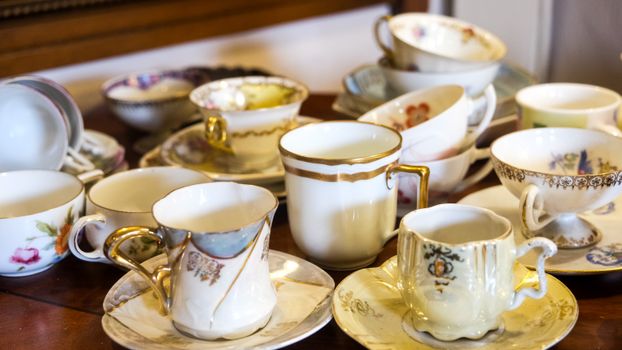
- $1: Look for ornate patterns, gold accents, and classic English or French makers like Spode, Wedgwood, or Limoges. - $1: Opt for mid-century sets with geometric designs or minimalist Scandinavian makers such as Arabia or Royal Copenhagen. - $1: Mix and match sets from different eras or makers, focusing on color harmony or quirky shapes. - $1: Choose stoneware or hand-painted sets with floral motifs or earthy tones.Remember, a tea set doesn’t have to be complete to be beautiful. Mixing cups and saucers from different sets can create a unique, personalized ensemble.
Final Thoughts: Making Your Vintage Tea Set Part of Everyday Life
Choosing the right vintage tea set is an enjoyable journey through history, artistry, and personal style. By considering function, material, authenticity, and aesthetics, you can find a set that not only elevates your tea rituals but also becomes a cherished part of your home. As vintage tea sets continue to grow in popularity, they offer not only a taste of the past but also a sustainable and meaningful addition to modern living.