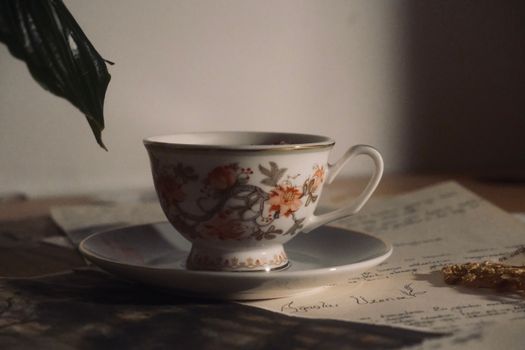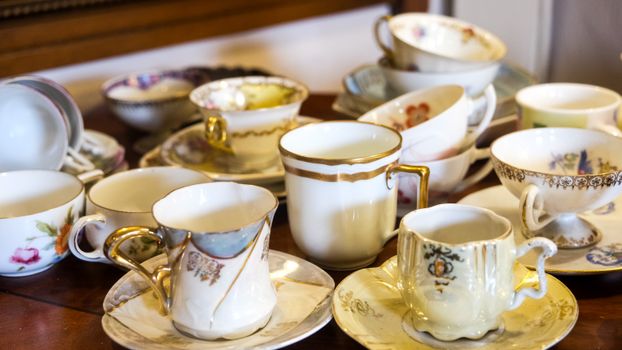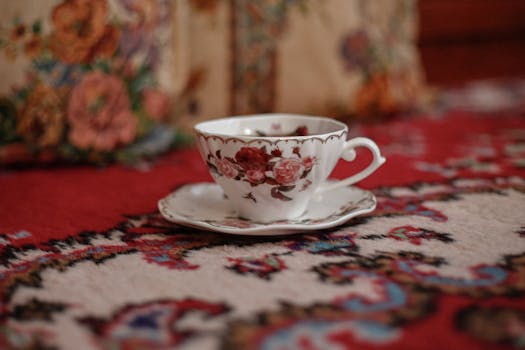
Vintage tea cups are more than mere vessels for tea—they are cherished heirlooms, pieces of art, and a tangible connection to the past. Whether you’ve inherited a delicate bone china cup from a grandparent or recently scored a rare find at an antique market, keeping these treasures pristine requires knowledge and care. But how do you maintain the beauty and integrity of vintage tea cups without risking damage? This article explores the essential techniques, methods, and specific precautions to ensure your vintage tea cups remain beautiful and intact for generations.
Understanding the Unique Challenges of Vintage Tea Cup Maintenance
Maintaining vintage tea cups is not the same as cleaning standard modern dishware. Most vintage tea cups are made from materials like bone china, porcelain, or fine ceramics, which can be far more fragile than today’s mass-produced mugs. To illustrate, bone china is composed of about 40-45% bone ash, which gives it translucency and delicacy, making it susceptible to chips and cracks.
Additionally, the paints, glazes, and gilded details used on vintage cups often contain lead or other elements that don’t withstand harsh chemicals or high temperatures. According to a 2020 study published in the Journal of Cultural Heritage, up to 60% of vintage ceramics tested still had detectable lead in their decorative finishes. This means that modern cleaning agents and dishwashers can erode surfaces or leach harmful substances.
In summary, the primary challenges include: - Fragile materials prone to chipping and crazing (fine crackling in glaze) - Sensitive finishes and hand-painted details - Potential for embedded stains that require gentle but effective cleaningUnderstanding these challenges is crucial to choosing the right maintenance techniques for your vintage tea cups.
Gentle Cleaning Methods for Everyday Upkeep
For day-to-day care, gentle handling is key. Always wash vintage tea cups by hand, never in the dishwasher. Dishwashers, with their strong water jets and high temperatures, can cause cracks, fade paint, and loosen gilding.
Here’s a tried-and-true cleaning process: 1. Use lukewarm water—never hot, as sudden temperature changes can cause thermal shock and make fine cracks worse. 2. Add a mild, phosphate-free dish soap. Avoid lemon or citrus-based soaps, as their acidity can strip glazes. 3. Use a soft sponge or a microfiber cloth. Avoid anything abrasive, even baking soda, which can scratch delicate surfaces. 4. Rinse with clean, lukewarm water. 5. Place cups on a soft towel to air dry or gently pat dry with a lint-free cloth.For particularly delicate cups, line the sink with a folded towel before washing to prevent chips if you accidentally bump the cup.
Removing Stains Without Damaging Delicate Surfaces
Over time, vintage tea cups may develop stubborn brown or gray stains from tannins in tea or from mineral buildup. It’s tempting to reach for harsh cleaners or bleach, but these can irreparably harm the glaze or painted decorations.
Here are safe, effective stain-removal techniques: - $1 While baking soda is commonly recommended, it should be used sparingly and only on unpainted, non-gilt areas. Mix a small amount with water to create a paste, gently rub stains with your finger, and rinse immediately. - $1 For tough stains, pour a small amount of food-grade hydrogen peroxide into the cup and let it sit for 2-3 hours. This helps lift stains without scrubbing. Rinse thoroughly afterward. - $1 If mineral deposits are present, fill the cup with a mixture of equal parts white vinegar and water, let it soak for 30-40 minutes, then rinse well. Avoid this method on cups with metallic trim, as vinegar can dull or remove gilding. - $1 A melamine foam eraser can be used with extreme caution on glazed (not painted) surfaces, but never on any decorative or metallic detail.Always test any cleaning method on a small, inconspicuous area first. Never use bleach or ammonia—they are too harsh for vintage ceramics and can cause permanent discoloration.
Best Practices for Handling and Storage
Proper storage is as important as cleaning. Incorrect stacking, temperature extremes, and humidity can all contribute to damage over time.
Key storage tips include: - $1 Avoid stacking tea cups or placing heavy items on top. If space is limited, use padded cup separators or store cups upright and saucers vertically in a rack. - $1 Extreme temperature changes cause expansion and contraction, leading to hairline cracks. Store tea cups in a stable environment, ideally between 60-75°F and 40-50% humidity. - $1 If displaying, keep cups away from direct sunlight to prevent fading of paints and gilding. Glass-fronted cabinets help protect from dust while allowing for display. - $1 Always pick up cups by the body, not the handle, as handles are the most vulnerable part. When moving or packing, wrap each cup individually in acid-free tissue paper.Let’s compare the most popular storage methods for vintage tea cups:
| Storage Method | Protection Level | Risk of Damage | Ideal For |
|---|---|---|---|
| Stacked (cup inside cup) | Low | High (chipping, crazing) | Short-term storage only |
| Individually Wrapped | High | Low | Long-term storage or moving |
| Displayed in Cabinet | Medium | Medium (dust, light exposure) | Display and easy access |
| Vertical Plate Rack | Medium | Low to medium (tipping risk) | Frequent use, safe access |
Specialized Techniques for Restoring Vintage Tea Cups
If your vintage tea cups have already suffered from staining, crazing, or hairline cracks, specialized restoration techniques may help. However, it’s crucial to understand when DIY is appropriate and when to consult a professional conservator.
- $1 This network of fine cracks in the glaze is usually irreversible, but gentle cleaning can prevent further staining. Never soak crazed cups for long periods, as liquid can seep in and worsen discoloration. - $1 Hairline cracks can sometimes be stabilized with museum-grade adhesives, but this should only be performed by a restoration expert. Attempting to glue or repair cracks at home often causes more harm than good. - $1 Gilded details can be retouched using specialized gold leaf pens, but matching the original color and finish is difficult. Only attempt this on minor, non-valuable pieces. - $1 For valuable or sentimental items, seek out a ceramic conservator. According to the American Institute for Conservation, professional repairs can extend the lifespan of vintage ceramics by decades when done properly.Remember, improper restoration can decrease both the aesthetic and monetary value of your tea cups.
Preventive Care: Tips to Keep Vintage Tea Cups Pristine
Preventive maintenance is the best way to avoid costly restoration. Here are some expert-endorsed tips for long-term preservation:
- $1 If you regularly use your vintage cups, rotate them to distribute wear evenly. Avoid using the most delicate or valuable pieces for daily tea. - $1 Black and herbal teas can stain more than green or white teas. Consider using less staining beverages, or always rinse cups immediately after use. - $1 Every 3-6 months, inspect your collection for new cracks, chips, or fading. Early detection can prevent bigger problems. - $1 Keep a log of cleaning and repairs, especially for valuable or rare pieces. This is useful for insurance and future restoration.In 2022, a survey by the UK Tea & Infusions Association found that 32% of vintage tea cup collectors reported accidental damage due to improper cleaning or storage—underscoring the importance of adopting proper techniques.
Preserving the Legacy of Vintage Tea Cups
Vintage tea cups are more than functional items—they are pieces of history, artistry, and family memory. With the right maintenance and cleaning techniques, you can preserve their beauty and value for generations. Gentle hand washing, careful stain removal, proper storage, and preventive care are the pillars of effective vintage tea cup stewardship. Whether you’re a seasoned collector or a new enthusiast, treating these treasures with respect ensures they’ll continue to enchant for years to come.