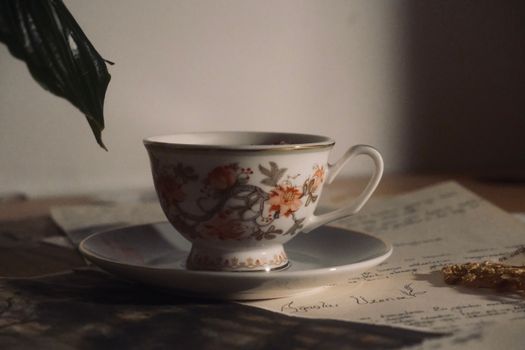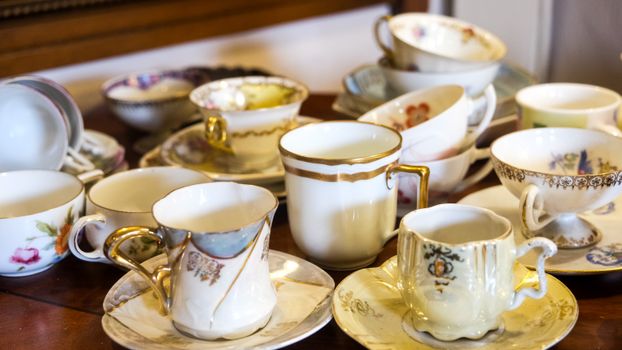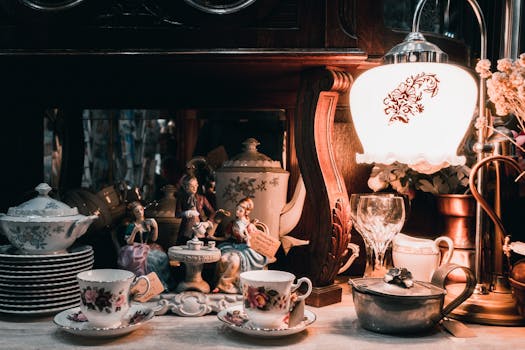
Hunting for rare vintage tea cups is an adventure unlike any other for collectors and enthusiasts alike. Whether you’re drawn in by the delicate porcelain, intricate hand-painted patterns, or the rich history behind each piece, discovering a truly unique tea cup can feel like unearthing a hidden gem from the past. But where should you look to find these treasures? While online platforms have made it easier than ever to browse collections from around the world, nothing compares to the thrill of finding rare vintage tea cups in person—at bustling markets, curated specialty shops, and historic antique fairs. This guide will reveal the best places to search, tips for successful hunting, and how to distinguish the truly exceptional from the simply old.
Understanding What Makes a Tea Cup "Rare" and "Vintage"
Before embarking on your search, it's important to know what qualifies as a rare vintage tea cup. The term "vintage" generally refers to items at least 20–30 years old, while "rare" implies limited production, unique features, or exceptional craftsmanship. Some factors that contribute to rarity include:
- Limited edition or discontinued patterns (e.g., Shelley’s “Queen Anne” line, produced only between 1940–1966) - Hand-painted or artist-signed designs - Unusual shapes or materials, such as bone china with gold gilding - Maker’s marks from renowned manufacturers like Royal Worcester, Paragon, or AynsleyAccording to the International Tea Cup Collectors’ Association, only about 5% of tea cups produced before 1970 are considered truly rare today. Knowing these details will help you spot valuable finds as you explore different venues.
The Allure of Local Antique Markets and Fairs
For many collectors, local antique markets and fairs are the top destinations for finding rare vintage tea cups. These lively events not only offer a wide array of choices but also provide a social atmosphere where you can meet fellow enthusiasts and knowledgeable vendors.
In the United States, the Brimfield Antique Show in Massachusetts is considered the largest outdoor antique show, with over 5,000 dealers and an estimated 20,000 attendees each year. European collectors flock to the Portobello Road Market in London, famous for its mile-long stretch of antiques, including Victorian and Edwardian tea cups. In Australia, the Sydney Antique Centre hosts monthly fairs where rare English and Japanese tea cups often appear.
When attending these markets:
- Arrive early for the best selection, as rare items are often snapped up quickly. - Bring a magnifying glass to examine maker’s marks and fine details. - Don’t be afraid to negotiate; prices are often flexible, especially toward the end of the day.Exploring Curated Specialty Shops and Boutiques
While markets offer variety, specialty shops provide a more curated and trustworthy experience. These shops often work closely with estate sales, collectors, and auction houses to acquire their inventory, ensuring authenticity and condition.
A few notable examples:
- Victoria’s Curio Cabinet (San Francisco, CA): Known for its Edwardian-era cups and in-store authentication services. - The English Tea Cup Shoppe (Bath, UK): Specializes in pre-World War II bone china, with some pieces dating back to the early 1800s. - Nippon Fine Porcelain (Tokyo, Japan): Offers Meiji and Taisho period cups, often with certificates of provenance.In specialty shops, you’ll benefit from expert guidance. Staff are typically well-versed in identifying genuine pieces, offering appraisals, and providing historical context. These shops may charge a premium, but the assurance of quality and authenticity can be worth the investment, especially for rare finds.
Estate Sales and Auction Houses: Hidden Treasures Await
Estate sales and auction houses are often overlooked by casual collectors but can be goldmines for those seeking rare vintage tea cups. Estate sales, in particular, offer items directly from private collections, sometimes untouched for decades.
Auction houses like Sotheby’s and Christie’s periodically feature tea cups from renowned collections, such as the 2022 “British Ceramics: The Jones Collection,” where a single Royal Doulton cup fetched $1,250 due to its rarity and pristine condition. Local auction houses may host monthly or seasonal events, and some allow online bidding for absentee buyers.
Tips for success at estate sales and auctions:
- Research upcoming sales in your area and preview available items online. - Set a budget and stick to it to avoid auction fever. - Thoroughly inspect items for chips, cracks, and repairs before bidding. - Request provenance documents when available to verify authenticity.Comparison Table: Where to Find Rare Vintage Tea Cups
Below is a comparative overview of the main venues for finding rare vintage tea cups, highlighting their key characteristics.
| Venue | Selection | Average Price Range | Authentication Support | Best For |
|---|---|---|---|---|
| Antique Markets & Fairs | Extensive, varied | $15–$200 | No (buyer’s expertise needed) | Bargain hunters, variety seekers |
| Specialty Shops | Curated, high-quality | $50–$500+ | Yes (in-store or certified) | Serious collectors, gift buyers |
| Estate Sales | Unique, often untouched | $10–$300 | Sometimes (with provenance) | Opportunity seekers, local finds |
| Auction Houses | Rare, high-value | $100–$1,000+ | Yes (detailed cataloging) | Investment buyers, high-end pieces |
Tips for Spotting Authentic and Rare Finds at Shops and Markets
Finding a rare vintage tea cup isn’t just about being in the right place — it’s also about knowing what to look for. Here are expert suggestions to make your search more fruitful:
1. Examine the Maker’s Mark: Most valuable tea cups feature a stamp, logo, or artist’s signature on the base. Look for names like Limoges, Royal Albert, and Wedgwood, as well as unique hallmarks. 2. Assess the Condition: Chips, cracks, or crazing (fine cracks in the glaze) can significantly reduce value. However, some rare cups with minor flaws may still be prized for their rarity. 3. Look for Limited Edition Patterns: Patterns produced for only a year or two tend to be more collectible. For instance, Aynsley’s “Pembroke” pattern from 1950–1952 is highly sought after. 4. Research Before You Go: Use reference books or online databases to familiarize yourself with valuable patterns and marks. The “Kovels’ Antiques & Collectibles Price Guide” is a popular resource among collectors. 5. Trust Your Instincts: If a piece stands out to you, there’s a good chance it might be special. Many collectors have stories of finding extraordinary items overlooked by others.Global Hotspots: Where Vintage Tea Cups Abound
Collectors who travel or live in major cities have access to some of the world's best hunting grounds for rare tea cups. Here are a few internationally renowned destinations:
- London, UK: In addition to Portobello Road, the Bermondsey Antique Market is a favorite for early morning treasure hunts. - Paris, France: The Marché aux Puces de Saint-Ouen spans over 1,700 dealers, many specializing in French Limoges and Haviland tea cups. - Tokyo, Japan: The Oedo Antique Market, held twice a month, often features rare Japanese Kutani and Imari ware. - Melbourne, Australia: The Camberwell Sunday Market is a must-visit for rare English and Asian ceramics.In the United States, cities like New York, Chicago, and San Francisco boast dozens of antique stores and seasonal markets, making them ideal for a day of vintage exploration.
Final Thoughts on Finding Rare Vintage Tea Cups
The pursuit of rare vintage tea cups is more than a hobby—it’s a journey through history, art, and craftsmanship. Whether you’re scouring a Sunday market, perusing a boutique’s shelves, or bidding at an auction, each search offers the chance to connect with the past and add a new chapter to your collection. By knowing where to look and what to seek, your next tea cup discovery might just be a hidden masterpiece waiting to be cherished for generations.