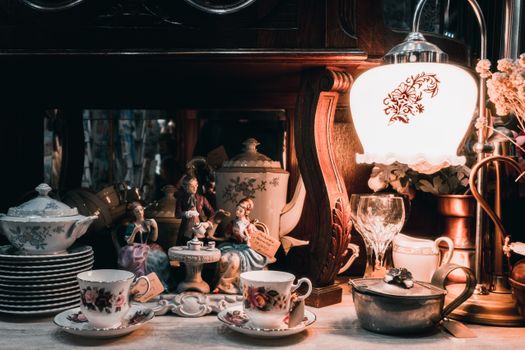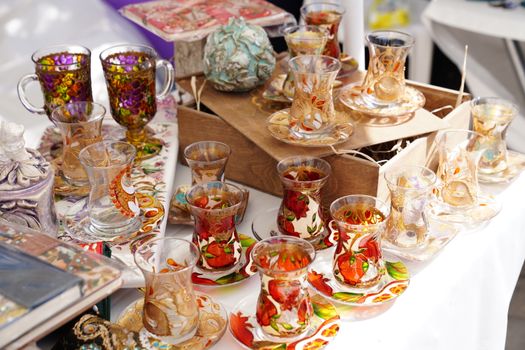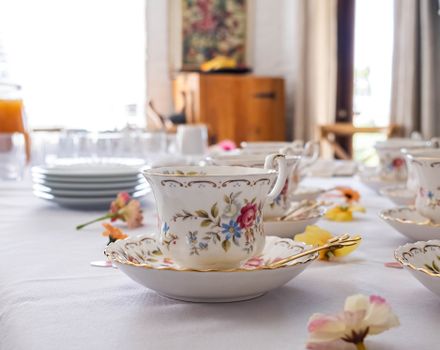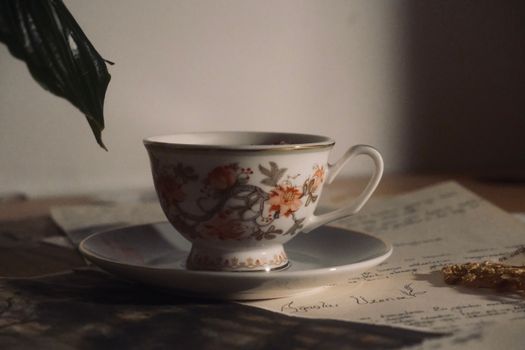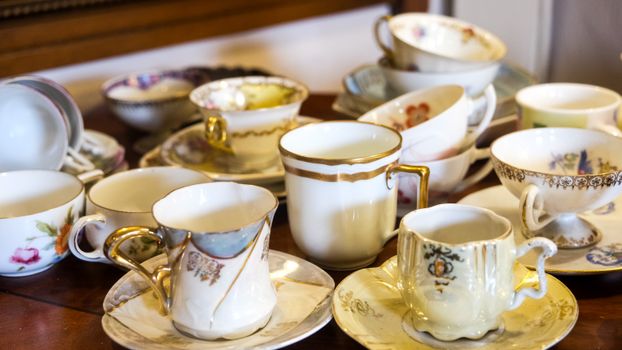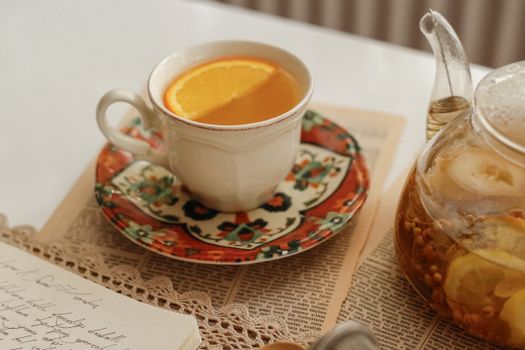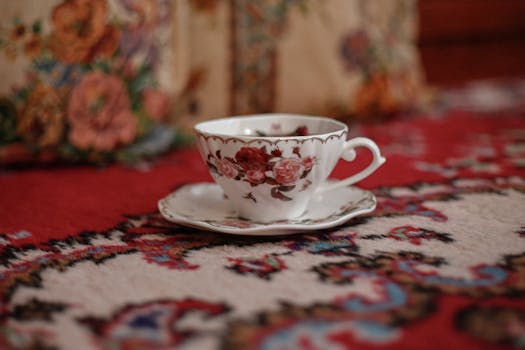
Few rituals are as enchanting as sipping tea from a delicate vintage cup. The marriage of fine porcelain and carefully selected tea transforms a simple drink into a sensory experience that bridges history, culture, and personal enjoyment. But not all teas are equally suited to vintage teacups. The right pairing elevates both the flavor of the tea and the beauty of the cup, creating a memorable moment worth savoring. In this article, we’ll explore which teas are ideal for tasting in vintage cups, why these pairings matter, and how to make your next teatime truly exceptional.
The Art of Tea Tasting: Why Vintage Cups Matter
Tea tasting is not just about the beverage itself—it's about engaging all your senses. Vintage teacups, often made from fine bone china or porcelain, are thin-lipped, delicately crafted, and sometimes centuries old. Their design influences how tea looks, smells, and tastes:
- $1: The open shape of many vintage cups allows for the full development and appreciation of a tea’s aroma. - $1: Fine porcelain is an excellent insulator, maintaining the ideal temperature longer than thick mugs. - $1: The beauty and history of vintage teacups add emotional and visual pleasure to the tea-drinking ritual.Because these cups are often fragile and designed for refined teas rather than robust, highly caffeinated brews, the choice of tea becomes paramount.
Best Teas for Vintage Cups: Balancing Flavor and Tradition
Not all teas are created equal when it comes to vintage cups. The finest pairings are those that allow the subtle flavors and aromas of the tea—and the elegance of the cup—to shine. Here are the top categories to consider:
1. $1 - $1: Known as the “champagne of teas,” Darjeeling’s muscatel notes and light body are perfectly highlighted in a thin-walled vintage cup. - $1: For those who prefer a richer brew, a high-grade Assam tea offers maltiness without overpowering the senses. 2. $1 - $1: The floral aroma of jasmine green tea is best appreciated in a cup that lets its bouquet unfold. - $1: This Chinese green tea’s chestnut notes and pale liquor seem to glow against the white porcelain of antique cups. 3. $1 - $1: With its subtle sweetness and airy texture, Silver Needle requires a vessel that won’t compete for attention. 4. $1 - $1: This semi-oxidized tea’s floral and creamy notes open up beautifully in a vintage cup, especially when brewed with care. 5. $1 - $1: Its gentle apple-like flavor and golden color look inviting in translucent cups. - $1: The visual element of floating petals pairs beautifully with the intricate patterns on vintage china.The common thread among these teas is their subtlety. Bold blends with added flavors or heavy tannins (like strong breakfast teas or spiced chais) may overwhelm the delicate nature of both the cup and the palate.
How Vintage Cups Influence Tea Appreciation
The choice of cup is not merely aesthetic—it can subtly alter the tasting experience. Here’s how vintage teacups interact with your chosen tea:
- $1: The smooth, non-porous surface prevents flavor absorption, ensuring each cup of tea tastes pure. - $1: Wider cups allow aromas to develop, while fluted edges direct the liquid toward different parts of the tongue, altering taste perception. - $1: White or pale interiors showcase the true color of the tea, which is especially important for appreciating the pale gold of white teas or the greenish hue of some oolongs.A research study by the University of Oxford found that the color and shape of a cup can influence how people perceive the taste of their beverage. In blind tastings, participants often rated tea as tasting better when served in fine porcelain versus a standard mug, citing smoother texture and more pronounced aroma.
Pairing Teas with Vintage Cups: A Practical Guide
To maximize your tasting experience, consider the following factors when matching teas with vintage cups:
1. $1 - Vintage teacups typically hold 150-200 ml (5-7 oz), a size that’s perfect for teas meant to be sipped and savored, not gulped. 2. $1 - Thin rims enhance delicate teas, while thicker cups can mute nuanced flavors. 3. $1 - The color of your tea should complement the interior of your cup. Light teas look stunning in white or pastel interiors, while darker teas can highlight gold or patterned linings. 4. $1 - Light-bodied, aromatic teas are best for vintage cups. Strong, bold teas may be better suited to sturdier mugs.Here’s a comparison table of tea types and their ideal vintage cup pairings:
| Tea Type | Recommended Vintage Cup | Why It Works |
|---|---|---|
| Darjeeling Black | Fine bone china, thin-rimmed | Enhances aroma and showcases pale color |
| Jasmine Green | Porcelain with wide bowl | Allows floral notes to unfold |
| Silver Needle White | Translucent porcelain, white interior | Displays delicate hue, preserves subtlety |
| Tieguanyin Oolong | Fluted-edge porcelain | Directs tea for optimal flavor perception |
| Chamomile Herbal | Decorative cup with clear interior | Highlights color, complements gentle flavor |
Hosting a Vintage Tea Tasting: Tips for a Memorable Event
If you’d like to share the joy of vintage teacup tasting, hosting a tea party or tasting event is a delightful way to do so. Here’s how to make it memorable:
- $1: Offer 3-5 teas, each chosen for its compatibility with your teacups. Include a variety such as a black, green, white, and herbal infusion. - $1: Share background information about each tea and the history or maker of each cup. - $1: Use filtered water and precise temperatures (e.g., 85°C for green tea, 95°C for black tea) to bring out the best in each variety. - $1: Arrange cups on vintage trays, use linen napkins, and consider small floral arrangements for an authentic, elegant atmosphere. - $1: Invite guests to observe the tea’s color, inhale the aroma, and sip slowly, noting how the cup enhances the experience.According to the Tea Association of the USA, the number of Americans drinking tea daily has increased by 16% in the last decade, with specialty teas and tea rituals gaining popularity among younger generations. Vintage teacup tasting taps into this trend, offering a unique, Instagram-worthy twist on traditional tea parties.
Exploring Rare and Unique Tea Pairings
For seasoned tea lovers or collectors, experimenting with rare teas and unusual cup styles can offer new dimensions of enjoyment:
- $1: This rare Chinese tea is famed for its mellow, sweet notes. Its pale color and subtle aroma are best appreciated in ultra-thin porcelain cups. - $1: While usually enjoyed in sturdier cups, a well-matured, lightly brewed Pu-erh can be fascinating in a vintage vessel, especially those from the same era or region as the tea. - $1: Pairing Japanese porcelain, such as Kutani ware, with high-grade Sencha highlights the synergy between vessel and beverage.Collectors sometimes seek out “cabinet cups” (ornate cups meant for display) to use for tastings with extremely rare teas, making the experience both a tasting and an appreciation of artistry. The world record for the most expensive teacup—sold at auction in 2014 for $36 million—was a 500-year-old Chinese “Chicken Cup,” illustrating the deep connection between tea culture and teacup artistry.
Final Thoughts: Savoring Tea and Tradition in Vintage Cups
Drinking tea from a vintage cup is about more than taste—it’s about honoring history, craftsmanship, and the shared pleasures of a timeless ritual. The best teas for vintage cups are those that respect the delicacy of both the vessel and the beverage: subtle, aromatic, and visually appealing. Whether you’re sipping Darjeeling from bone china or jasmine tea from translucent porcelain, the right combination transforms a simple cup of tea into a moment worth remembering.
As you explore pairings, allow yourself to experiment and discover new favorites. The world of tea is vast, and your collection of vintage cups can become a passport to countless sensory journeys. With care and curiosity, every teatime can become a celebration of taste and tradition.