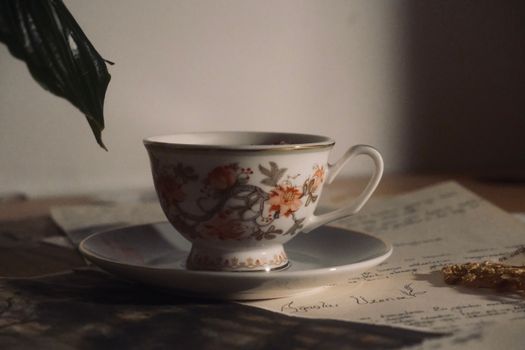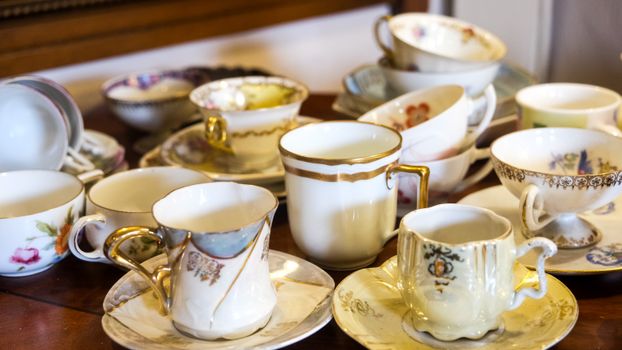
Vintage tea cups are more than just vessels for sipping your favorite blend—they’re exquisite artifacts that capture the artistry, history, and social rituals of their respective eras. From royal English porcelain to whimsical mid-century designs, the world of vintage tea cup brands is as rich and varied as the teas they once held. For collectors, enthusiasts, or anyone charmed by the elegance of afternoon tea, understanding the most celebrated vintage brands and their distinctive characteristics is an essential part of the journey.
Let’s explore the most popular brands of vintage tea cups, what sets them apart, and why they continue to captivate collectors and tea lovers around the world.
The Allure of Vintage Tea Cup Brands
Vintage tea cups have experienced a remarkable resurgence in popularity. According to the Antiques Trade Gazette, interest in vintage ceramics grew by 25% between 2020 and 2023, with tea ware leading the trend. What draws collectors and casual admirers alike is the unique combination of craftsmanship, rarity, and historical context that each notable brand brings to the table.
The best-known vintage tea cup brands often possess:
- Distinctive artistic styles unique to their makers - High-quality porcelain or bone china - Marks or backstamps signifying authenticity - Associations with historical events, royalty, or prominent designersBelow, we’ll examine the iconic names in vintage tea cups, their defining features, and what makes each brand a prized addition to any collection.
Royal Albert: The Epitome of English Floral Elegance
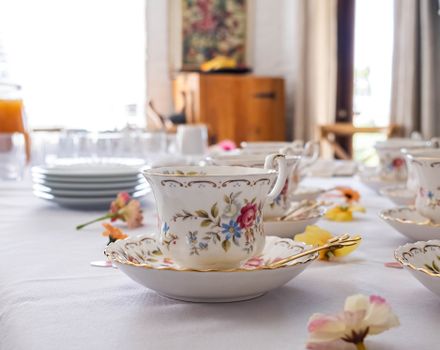
Few names are as synonymous with vintage tea cups as Royal Albert. Founded in 1904 in Stoke-on-Trent, England—the heart of the British pottery industry—Royal Albert quickly distinguished itself with its luxurious bone china and lavish floral patterns.
Key Characteristics: - Signature “Old Country Roses” pattern, introduced in 1962, is the world’s best-selling china pattern (over 150 million pieces sold) - Predominant use of delicate roses, violets, and forget-me-nots in bright, cheerful palettes - Gilded edges, often with 22-karat gold trim - Lightweight yet durable bone chinaRoyal Albert’s pieces are highly collectible, especially pre-1970s productions, which are known for their finer detail and heavier gilding. The brand’s continued popularity is reflected in auction prices, with rare vintage sets fetching anywhere from $100 to over $1,000, depending on condition and rarity.
Wedgwood: Classical Craftsmanship and Timeless Form
Established in 1759 by Josiah Wedgwood, Wedgwood is a pioneer of English ceramics. While best known for its Jasperware, Wedgwood’s tea cups are celebrated for their neoclassical styling and exceptional quality.
Signature Features: - Use of “Queen’s Ware” (a cream-colored earthenware) and fine bone china - Elegant, understated patterns such as “Florentine Turquoise” and “Colonnade” - Often incorporates mythological or classical motifs - Smooth, refined shapes with simple yet sophisticated decorationWedgwood’s tea cups appeal to collectors who favor subtlety and classical elegance over ornate florals. A Wedgwood cup from the early 20th century typically ranges from $50 to $300, with rare or limited-edition designs commanding premium prices.
Paragon: Royal Warrants and Regal Designs
Paragon China Company, founded in 1897, rose to prominence by producing tea ware for the British royal family. In fact, Paragon was awarded six royal warrants between 1926 and 1963, a testament to its prestige and quality.
Distinctive Traits: - Bold, rich colors, often with cobalt blue, emerald green, or deep burgundy backgrounds - Lavish gold detailing and elaborate floral or geometric borders - Frequent use of medallions and royal crests - Sturdy bone china constructionParagon’s strong association with royalty (including custom pieces for Queen Elizabeth II) makes its cups especially desirable. For example, a limited-edition Paragon cup made for the coronation of Queen Elizabeth II in 1953 can sell for over $500 at auction.
Shelley: Lightness and Modern Artistic Flair
Shelley Potteries, active from 1860 to 1966, is beloved for its innovative shapes and whimsical patterns, reflecting changing tastes in the early and mid-20th century.
Defining Characteristics: - Exceptionally thin, translucent bone china—Shelley cups are among the lightest - Playful Art Deco and Art Nouveau designs, including the iconic “Dainty” shape patented in 1896 - Bold use of color, geometric patterns, and stylized florals - Impressed Shelley backstamp (look for variations to date the piece)Shelley’s popularity soared during the 1920s and 1930s, and today, rare patterns or unusual shapes can fetch $200 or more per cup and saucer set. Their artistic vibrancy makes them perennial favorites among collectors who seek something a bit different.
Limoges: French Refinement and Hand-Painted Masterpieces
Limoges is not a single manufacturer, but rather refers to porcelain produced in the Limoges region of France, where over 48 factories operated in the late 19th and early 20th centuries. Limoges tea cups are renowned for their intricacy and hand-painted artistry.
Key Features: - Pure, white, translucent porcelain with a smooth finish - Exquisite hand-painted scenes—ranging from delicate flowers to pastoral landscapes and gilded accents - Makers include Haviland, Bernardaud, and Tressemanes & Vogt, among others - Double marks: factory and decorator, aiding with authenticationLimoges cups were popular luxury imports to the United States during the Gilded Age. Today, a well-preserved hand-painted Limoges cup can range from $75 to as much as $500, depending on the artist and decoration.
Comparing the Top Vintage Tea Cup Brands
To help illustrate the differences between these celebrated brands, here’s a comparative overview:
| Brand | Country | Signature Style | Notable Features | Typical Price Range (per cup & saucer) |
|---|---|---|---|---|
| Royal Albert | England | Floral, romantic | Roses, gold trim, bone china | $50 – $1,000+ |
| Wedgwood | England | Neoclassical, elegant | Classic motifs, Queen’s Ware | $50 – $300 |
| Paragon | England | Regal, bold colors | Royal warrants, heavy gilding | $75 – $500+ |
| Shelley | England | Light, modern | Thin china, Art Deco patterns | $75 – $250 |
| Limoges | France | Hand-painted, refined | White porcelain, double marks | $75 – $500+ |
Other Noteworthy Vintage Tea Cup Brands
While the above brands dominate the market, there are several other names that deserve mention for their contributions to vintage tea ware:
- Aynsley (England): Known for hand-painted floral patterns and high-quality bone china, Aynsley supplied tea cups to Queen Victoria herself. - Minton (England): Famous for its soft colors and intricate goldwork, particularly in the 19th century. - Noritake (Japan): Brought a fresh, Eastern aesthetic to tea cups with hand-painted designs and innovative shapes, especially during the Art Deco period. - Spode (England): Originated the “Blue Italian” pattern, a classic still in production today.Each of these brands has its own unique place in the world of vintage tea cups, offering collectors a wide array of styles and historical backgrounds to explore.
Factors That Influence Collectibility and Value
Not all vintage tea cups are created equal. The value and collectibility of a piece depend on several key factors:
1. $1 Older pieces, especially those from the 19th or early 20th centuries, tend to be more valuable. 2. $1 Chips, cracks, or faded patterns significantly reduce value. A mint condition cup can be worth up to 10 times more than a damaged one. 3. $1 Limited editions, discontinued patterns, or unique artist-signed pieces are more prized. 4. $1 Authentic backstamps or signatures add credibility and desirability. 5. $1 Pieces with royal connections or notable ownership often command higher prices.For example, a 1920s Shelley “Dainty” tea cup in perfect condition might sell for $200, while a similar cup with noticeable wear might fetch only $40. In 2022, a rare Royal Worcester tea cup painted by Charles Baldwyn sold at auction for $1,250—illustrating how artist attribution can dramatically affect value.
Final Reflections on the Most Popular Brands of Vintage Tea Cups
The world of vintage tea cups is a captivating blend of artistry, history, and craftsmanship. Whether you’re an avid collector or simply appreciate the charm of a beautifully made cup, brands like Royal Albert, Wedgwood, Paragon, Shelley, and Limoges offer endless fascination. Their unique characteristics, storied pasts, and enduring appeal ensure that each piece tells a story—one that continues every time tea is poured.
As interest in vintage tableware continues to grow, these brands remain not just relics of the past, but treasured heirlooms and stylish statement pieces for today’s homes. Exploring their distinctive styles is a journey into the heart of culture, design, and the simple yet profound ritual of sharing tea.