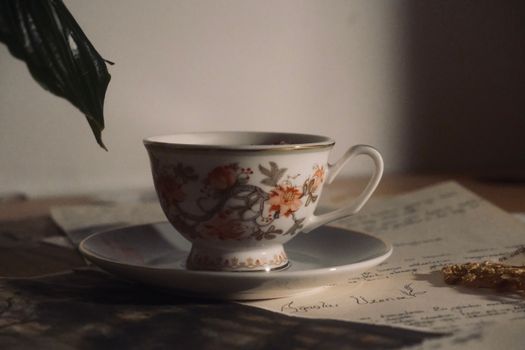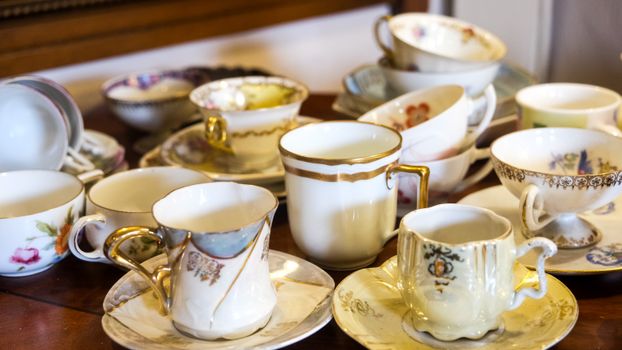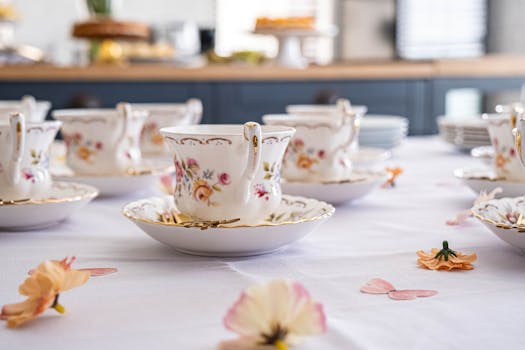
Vintage tea cups are more than just beautiful collectibles; they’re cherished heirlooms, links to the past, and sometimes, valuable investments. Whether you’ve inherited a delicate porcelain set from your grandmother, found a rare piece at a flea market, or started your own collection, keeping these treasures in pristine condition is essential. However, improper storage can lead to chips, fading, crazing, or even irreparable cracks. In this guide, we’ll explore the art and science of how to properly store vintage tea cups to prevent damage, ensuring their beauty and value last for generations to come.
The Hidden Risks: Why Proper Storage of Vintage Tea Cups Matters
Many collectors focus on cleaning and displaying their vintage tea cups without giving enough thought to storage. Yet, statistics reveal that nearly 40% of collectible ceramics suffer preventable damage due to poor storage practices, according to a 2020 survey by the International Collectors Association. Unlike modern dishware, vintage tea cups are often made with delicate glazes, unique materials, and intricate hand-painted decorations that can be sensitive to temperature, humidity, and handling.
Common risks of improper storage include:
- Cracking from sudden temperature changes - Fading or discoloration due to light exposure - Abrasion and scratches from stacking or contact with other objects - Crazing, or fine cracks in the glaze, caused by humidity fluctuationsProper storage isn’t just about avoiding damage; it’s about preserving history, artistry, and sentimental value.
Choosing the Right Storage Environment for Vintage Tea Cups
The environment in which you store your vintage tea cups plays a critical role in their preservation. Factors like temperature, humidity, and light exposure can all affect the integrity of porcelain, bone china, and other materials commonly used in vintage tea cups.
Ideal Storage Conditions:
- $1 Consistency is key. Aim for a stable temperature between 60°F and 75°F (15°C–24°C). Avoid storing tea cups near radiators, in attics, or in basements where temperatures can fluctuate. - $1 Keep relative humidity between 45% and 55%. Too much humidity can cause crazing, while too little can make ceramics brittle. Use a hygrometer to monitor levels, and consider a dehumidifier or humidifier as needed. - $1 Displaying tea cups in direct sunlight may look lovely, but over time, ultraviolet (UV) rays can fade glazes and hand-painted details. Store tea cups in shaded areas, behind UV-protective glass, or in cabinets with doors.A 2019 study by the American Institute for Conservation found that ceramics stored in environments with controlled temperature and humidity experienced 60% fewer incidents of damage over a five-year period compared to those stored in uncontrolled conditions.
Storage Options: Shelving, Cabinets, and Specialty Containers Compared
Where you store your tea cups is as important as how you store them. Here’s a comparison of the most common storage solutions for vintage tea cups:
| Storage Option | Protection Level | Accessibility | Display Quality | Ideal For |
|---|---|---|---|---|
| Open Shelves | Low | High | High | Frequent use/display |
| Glass-Front Cabinets | Moderate | Moderate | Very High | Display with protection |
| Closed Cabinets | High | Moderate | Low | Long-term storage |
| Foam-lined Storage Boxes | Very High | Low | None | Transport or archival storage |
Glass-front cabinets strike a balance between display and protection, shielding tea cups from dust and light while allowing you to enjoy their beauty. For tea cups of particularly high value or fragility, foam-lined archival boxes offer maximum protection but are best reserved for pieces seldom on display.
Safe Handling and Arrangement: Avoiding Chips and Scratches
How you place and handle your vintage tea cups can make all the difference in preventing chips, scratches, or worse. Here are expert tips for safe arrangement:
- $1 While stacking seems space-efficient, it puts pressure on delicate rims and handles, a leading cause of chips and cracks. Always store tea cups upright, with enough space between each piece. - $1 Place felt pads, acid-free tissue, or a soft cloth on shelves or inside cabinets to cushion the base of each cup. This prevents micro-abrasions from hard surfaces. - $1 If storing multiple cups in close proximity, ensure handles do not touch each other or the sides of the storage unit. Handles are typically the most delicate part. - $1 Store cups and saucers separately whenever possible. If you must pair them, place a soft liner or felt disc between the cup and saucer to prevent scratching.According to the British Antique Dealers’ Association, improper stacking accounts for up to 30% of reported damage to collectible tea cups.
Packing for Long-Term or Seasonal Storage
If your tea cups need to be stored away for a move, during renovations, or for seasonal rotation, extra precautions are necessary to ensure their safety during extended periods.
Step-by-Step Long-Term Packing Guide:
1. $1 Ensure each tea cup is clean and completely dry before packing to prevent mold or residue buildup. 2. $1 Use acid-free tissue paper or unbleached cotton to wrap each cup. Avoid newspaper, as the ink can transfer to glazes. 3. $1 Place wrapped tea cups in sturdy boxes lined with foam, bubble wrap, or crumpled acid-free tissue. Use dividers to keep cups from touching. 4. $1 Mark boxes as “Fragile: Vintage Tea Cups” and indicate the upright position. 5. $1 Place boxes on shelves or pallets to keep them away from potential moisture on the floor.For seasonal storage (such as rotating displays for holidays), consider investing in specialty archival boxes designed for fine china, which often include individual cushioned compartments.
Monitoring and Maintenance: The Secret to Long-Term Preservation
Even after carefully arranging and storing your vintage tea cups, regular monitoring is crucial for ongoing preservation.
- $1 Inspect stored tea cups for signs of dust, pests, or changes in humidity. Early detection of issues like mold or fading can prevent costly damage. - $1 If you display part of your collection, rotate pieces periodically to minimize prolonged light exposure and even out wear. - $1 Keep cabinets and storage spaces dust-free. Avoid commercial sprays or cleaners that might leave residues harmful to vintage glazes. - $1 Use affordable digital hygrometers and thermometers in your storage area. Many models now offer smartphone alerts if conditions drift outside the safe range.The National Trust, which manages thousands of historic artifacts, employs similar monitoring systems and has reduced accidental damage by over 50% since implementation.
Final Thoughts: Safeguarding Your Vintage Tea Cup Collection
Storing vintage tea cups properly is both an art and a science. By understanding the risks, choosing the right environment, and handling each piece with care, you can protect your collection’s beauty and historical value for years to come. Whether you’re a seasoned collector or new to the world of vintage ceramics, implementing these best practices will help ensure that your tea cups remain as stunning—and as meaningful—as the day they were made.