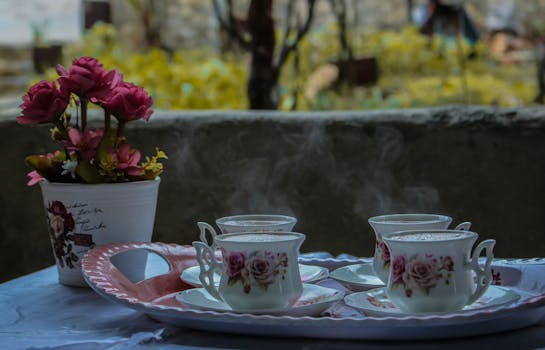
The Timeless Influence of Vintage Teacups on Tea Culture
The humble teacup is more than just a vessel for a comforting brew—it is a silent storyteller, a link between generations, and a cherished symbol of ceremony and community. Among all its forms, the vintage teacup holds a special place in the world of tea culture. These delicate, often hand-painted artifacts are not only prized collector’s items but also bear significant cultural and social impact. From elevating the aesthetic of tea gatherings to reviving historical traditions, vintage teacups have shaped and continue to influence the way we experience tea across the globe.
How Vintage Teacups Shape the Ritual of Tea
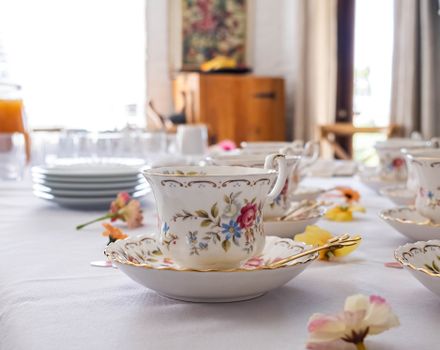
Tea, in many cultures, is more than a beverage—it is a ritual. The vessel from which tea is sipped can dramatically influence the entire experience. Vintage teacups, especially those crafted from fine porcelain or bone china, are designed to enhance the sensory pleasures of tea. Their thin rims, delicate handles, and elegant shapes are not mere embellishments—they serve functional purposes:
- Porcelain and bone china retain heat, keeping tea warm longer. According to the British Ceramics Confederation, bone china can maintain tea temperature 10-15% longer than glass or stoneware. - The thin rim allows the tea to flow smoothly onto the palate, maximizing flavor. - The petite size (often 120-180 ml) encourages slow sipping and conversation.In Japan, the chawan (tea bowl) is central to the tea ceremony, symbolizing both humility and artistry. Similarly, in Britain, the Victorian era’s introduction of bone china teacups elevated the afternoon tea ritual, making it a refined social event. Today, using vintage teacups during tea gatherings adds a sense of occasion and encourages mindfulness, reconnecting participants with the rich history of tea.
The Social Significance of Vintage Teacups
Vintage teacups have long played an integral role in social gatherings, from aristocratic salons to humble kitchen tables. Their presence can transform a simple cup of tea into a memorable event, fostering conversation and connection.
- In 19th-century England, the introduction of patterned teacups made tea parties fashionable among the middle class. The famous “Willow Pattern,” patented in 1780, became a fixture in homes across the UK. - In the United States, vintage teacups became symbols of hospitality during the Victorian era. Tea rooms flourished, and serving tea in ornate cups was a mark of good taste and refinement. - Today, themed “vintage tea parties” are popular for birthdays, bridal showers, and community fundraisers, reviving social rituals of the past.The act of sharing tea in vintage cups fosters a sense of nostalgia and belonging. According to a 2018 survey by the UK Tea & Infusions Association, 54% of respondents said they associate drinking tea from “proper” cups and saucers with comfort and togetherness.
Vintage Teacups and the Revival of Craftsmanship
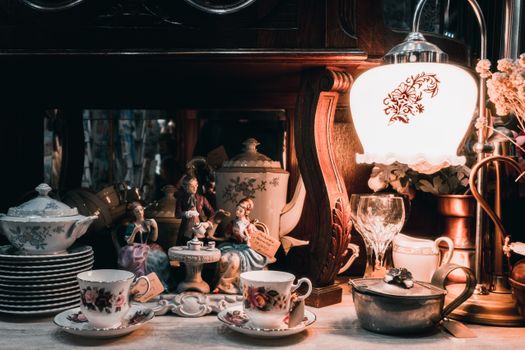
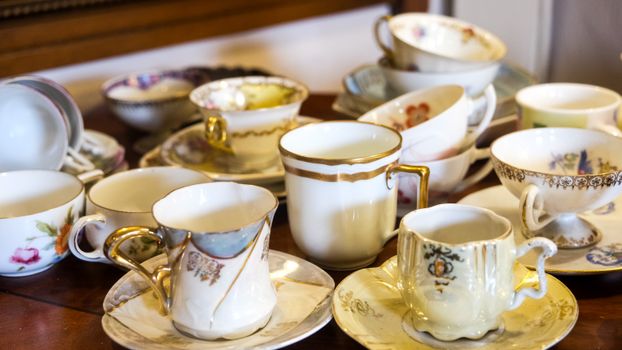
The resurgence of interest in vintage teacups has sparked a renewed appreciation for artisanal craftsmanship. Unlike mass-produced mugs, vintage cups were often hand-painted, gilded, or intricately molded. Brands like Royal Albert, Wedgwood, and Limoges became household names due to their exceptional craftsmanship.
- Royal Albert, founded in 1896, is renowned for its “Old Country Roses” pattern, which has sold over 130 million pieces worldwide. - Each Limoges teacup, made in France, takes at least 10 hours to craft, reflecting the meticulous skill of artisans. - Many vintage teacups feature real gold accents; for example, teacups from the 1920s often had 22-karat gold trim.This artistry is increasingly valued in a world dominated by disposable wares. Collectors and tea enthusiasts seek out vintage pieces not only for their beauty but also as a form of sustainable consumption, giving new life to objects that might otherwise be forgotten.
How Vintage Teacups Influence Modern Tea Trends
The impact of vintage teacups extends beyond tradition—they have also inspired new trends in how tea is enjoyed today. Cafés, restaurants, and home entertainers are blending the old with the new, using vintage teacups as a statement of style:
- Instagram and Pinterest report a 200% increase in posts featuring “vintage teacup” table settings from 2019 to 2023. - Specialty tea bars in cities like London and New York serve rare teas in mismatched vintage cups, creating a unique and personalized experience. - Modern ceramics designers often draw inspiration from classic patterns, shapes, and glazes found on vintage cups.The “upcycling” movement has also embraced vintage teacups, transforming them into candles, planters, and wedding centerpieces. However, many tea lovers argue that their highest calling remains serving tea, connecting the past with the present, one sip at a time.
Comparing Vintage Teacups to Modern Alternatives
To understand the enduring allure of vintage teacups, it’s useful to compare them with contemporary options. The table below highlights key differences:
| Feature | Vintage Teacups | Modern Mugs/Cups |
|---|---|---|
| Material | Bones china, porcelain, fine ceramics | Stoneware, glass, stainless steel, plastic |
| Heat Retention | Excellent (10-15% better) | Varies; often moderate |
| Design | Hand-painted, gilded, intricate patterns | Simple, mass-produced, minimal decoration |
| Capacity | 120-180 ml (4-6 oz) | 240-350 ml (8-12 oz) |
| Collectibility | High—often sought after by collectors | Low—rarely collectible |
| Cultural Significance | Symbolic, ritualistic, fosters tradition | Functional, everyday use |
This comparison underscores why vintage teacups maintain their special status in tea culture. Their unique blend of function, history, and artistry sets them apart from their modern counterparts.
Preserving Heritage: Vintage Teacups as Heirlooms
Vintage teacups are more than decorative objects—they are tangible links to family and community heritage. Passed down through generations, these cups often carry stories, memories, and traditions:
- In many families, teacups are given as wedding or anniversary gifts, becoming treasured heirlooms. - Museums such as the Victoria and Albert Museum in London house collections of historic teacups, preserving them for future generations. - Oral histories frequently mention “grandmother’s teacup” or “the family tea set,” highlighting their sentimental value.A 2021 survey by the Antiques Trade Gazette found that 38% of respondents had at least one vintage teacup set inherited from relatives. These pieces serve as reminders of shared moments, from Sunday teas to special celebrations, making them objects of both historical and emotional importance.
Final Thoughts on the Enduring Impact of Vintage Teacups
Vintage teacups are far more than charming relics of the past. They actively shape how we experience tea today—infusing rituals with beauty, fostering social bonds, and reconnecting us with traditions that span continents and centuries. Whether displayed in a cabinet, cherished as an heirloom, or used daily to savor a favorite blend, these cups remind us that the act of drinking tea is as much about connection and culture as it is about taste. As tea culture continues to evolve, the enduring impact of vintage teacups ensures that every cup poured is steeped in history.