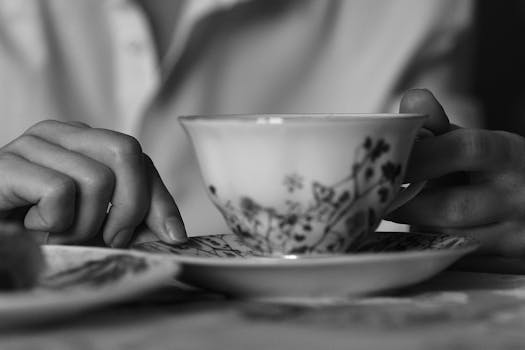
The Charm of English Rose Vintage Teacups: A Floral Legacy in Porcelain
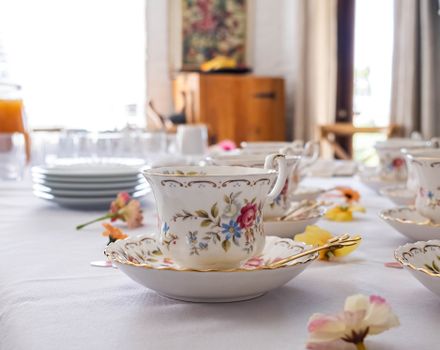
Few objects capture the essence of English elegance and nostalgia quite like the vintage teacup adorned with delicate rose motifs. The English rose, with its timeless beauty and deep cultural symbolism, has long graced the finest porcelain teacups, enchanting collectors, tea lovers, and decorators alike. Beyond their visual allure, English rose vintage teacups tell a story of craftsmanship, tradition, and social history, making them far more than mere drinking vessels. In this article, we journey through the unique charm of English rose vintage teacups, delving into their origins, artistic variations, collecting trends, and enduring appeal in the modern age.
The Symbolism of Roses in English Culture and Porcelain Art
The rose is far more than a flower in England — it is a centuries-old emblem woven into the nation’s identity. The Tudor rose, for example, has symbolized unity and peace since the 15th century, merging the white rose of York and the red rose of Lancaster. Today, roses are synonymous with English gardens, romance, and refinement.
This deep symbolism naturally found its way onto porcelain teacups during the Victorian era, when floral decorations became highly fashionable. English rose motifs were particularly favored by leading potteries such as Royal Albert, Wedgwood, and Paragon. These teacups not only showcased artistic skill but also conveyed messages of love, grace, and tranquility — perfect sentiments for the cherished ritual of afternoon tea.
In fact, according to The British Museum, more than 40% of Victorian-era bone china teacups featured some form of floral design, with the rose being the most popular motif. These designs often incorporated hand-painted details and gilded edges, elevating each teacup to a miniature work of art.
Evolution of English Rose Teacup Designs
From the early 19th century through the mid-20th century, English rose teacup designs evolved in response to changing tastes and advancements in porcelain production. In the Regency period (1811–1820), rose motifs were often delicate, with soft pastel shades and minimal gilding. By contrast, the Victorian era (1837–1901) saw bolder colors, more intricate patterns, and lavish use of gold embellishments.
The 20th century brought new artistic influences. For example, the Art Deco movement (1920s–1930s) led to stylized, geometric rose designs, while post-war nostalgia in the 1950s revived romantic, full-blown rose bouquets in vivid pinks and reds. Brands like Royal Albert’s “Old Country Roses,” launched in 1962, became iconic for their exuberant, layered rose patterns, selling over 150 million pieces worldwide by 2019 according to the company’s own figures.
Many English potteries developed signature rose patterns, each with distinct characteristics:
| Brand | Signature Rose Pattern | Design Era | Key Features |
|---|---|---|---|
| Royal Albert | Old Country Roses | 1962–present | Rich reds, pinks, yellows; gilded edges; abundant bouquets |
| Paragon | Victoriana Rose | 1950s | Large, detailed pink roses; scalloped rims; hand-painted details |
| Wedgwood | Wild Rose | 1930s–1950s | Pale pink wild roses; minimalist, modern shapes |
| Aynsley | Rose Garden | 1940s–1960s | Soft watercolors; naturalistic roses; fine bone china |
These variations highlight how English rose teacups reflect evolving aesthetic sensibilities, while always retaining their floral charm.
Craftsmanship and Materials: The Making of an English Rose Teacup
The allure of English rose vintage teacups goes beyond surface decoration. Their craftsmanship is rooted in a centuries-old tradition of porcelain and bone china production. English bone china, first perfected in the late 18th century by Josiah Spode, is prized for its whiteness, translucency, and exceptional strength. It contains about 50% animal bone ash, which gives it a distinctive, almost ethereal glow.
Decorating these cups requires both artistry and technical skill. In the golden age of English porcelain, artists hand-painted rose motifs onto the glazed surface or applied transfer-printed designs for consistency. Gold gilding, applied by hand, further elevated the luxury of these pieces.
A single teacup could involve up to 30 separate steps, from shaping the cup on a potter’s wheel to firing, glazing, painting, and gilding. According to the Victoria and Albert Museum, some of the finest Victorian teacups required over 20 hours of work to complete.
This attention to detail and use of high-quality materials means that many English rose vintage teacups have survived in pristine condition for decades, if not centuries. Their durability, combined with their beauty, helps explain their enduring popularity.
Why English Rose Vintage Teacups Remain Coveted Today
English rose vintage teacups have experienced a renaissance in the 21st century, appealing to new generations of collectors, decorators, and tea enthusiasts. Several factors drive their continued charm and desirability:
1. $1: For many, these teacups evoke memories of family gatherings, grandmothers’ parlors, or traditional English afternoon teas. The rose motif, in particular, conjures a sense of romance and continuity. 2. $1: Rose teacups seamlessly fit into a range of décor styles, from shabby chic to grandmillennial. They make lovely display pieces, wedding tableware, or thoughtful gifts. 3. $1: Vintage teacups are a form of sustainable, eco-friendly luxury. Instead of mass-produced, disposable items, collectors cherish and reuse these pieces, contributing to a circular economy. 4. $1: Some rare patterns, especially those by Royal Albert or Paragon, can fetch high prices at auction. For example, a complete set of Royal Albert “Old Country Roses” teacups sold for $1,200 at a Christie’s auction in 2022. 5. $1: The global resurgence of tea rooms and afternoon tea experiences has brought renewed interest in elegant vintage teaware, with English rose designs leading the way.According to a 2021 survey by The Tea & Herbal Association of Canada, 53% of respondents said they preferred drinking tea from a “beautiful or special cup,” with floral patterns ranking as the top choice.
How to Identify Authentic English Rose Vintage Teacups
With the popularity of rose teacups, reproductions and modern pieces abound. Discerning genuine vintage items involves a combination of research and close inspection. Here are key tips for identification:
- $1: Most reputable English potteries stamped their wares with a unique mark on the underside. For instance, Royal Albert’s backstamp includes a crown and “England” underneath the pattern name. These marks can be cross-referenced with online databases or collector’s guides. - $1: Authentic English bone china is lighter and more translucent than standard porcelain. Hold the cup up to the light; you should see a faint shadow of your fingers through the thin wall. - $1: Older hand-painted pieces may show subtle variations in the roses, brushstrokes, or gold trim. Transfer-printed patterns from the mid-20th century are more uniform but may have slight misalignments. - $1: Some degree of wear (especially on gilding or handles) is normal in true vintage teacups. Overly bright or plastic-feeling finishes may indicate a modern reproduction.When in doubt, consult reputable dealers, auction house experts, or established online communities such as the UK’s Antiques Trade Gazette forums.
Incorporating English Rose Teacups into Modern Life
While many collectors keep their English rose teacups safely stored or on display, these treasures are meant to be enjoyed. There are countless creative ways to incorporate them into contemporary living:
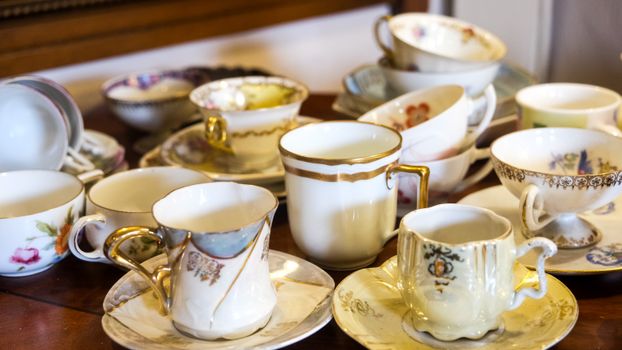
- $1: Host an English-inspired tea with friends, using a mismatched selection of rose-patterned cups for a whimsical touch. - $1: Display teacups on open shelves, in glass-front cabinets, or as part of a floral centerpiece. Single teacups make charming jewelry holders or candle bases. - $1: Pair a vintage teacup with gourmet tea or homemade treats for a memorable birthday or Mother’s Day gift. - $1: Damaged cups can find new life as planters, pincushions, or decorative wall art.This flexibility ensures that the charm of English rose vintage teacups continues to bloom in households around the world.
Timeless Beauty: The Enduring Charm of English Rose Vintage Teacups
From their roots in England’s storied gardens to their cherished place in tea culture, English rose vintage teacups remain icons of beauty, craftsmanship, and tradition. Their enduring charm lies not only in their exquisite appearance but also in the memories and meaning they carry. Whether collected for investment, displayed as décor, or simply enjoyed during a quiet cup of tea, these floral treasures continue to captivate hearts across generations. As long as there are lovers of tea and beauty, the legacy of the English rose vintage teacup will continue to flourish.