Czech Vintage Tea Cup Manufacturers: Stories of Craftsmanship and Cultural Significance
The delicate beauty of vintage Czech tea cups has enchanted collectors and tea lovers for generations. Beyond their charming designs and fine porcelain, these cups carry rich histories—stories of innovative manufacturers, skilled artisans, and the cultural moments that shaped their legacy. Today, Czech vintage tea cups are treasured not just as functional wares but as tangible pieces of European history. This article explores the fascinating journeys of Czech tea cup manufacturers and examines why their creations remain so significant in the world of decorative arts and cultural heritage.
The Rise of Czech Porcelain: A Legacy Born in Bohemia
The Czech lands, particularly the historical region of Bohemia, have long been synonymous with porcelain artistry. The story begins in the late 18th century, when the first porcelain factories opened in what is now the Czech Republic. The oldest, the Slavkov (Schlackenwerth) porcelain factory, was established in 1792. However, it was the founding of the Thun Porcelain Factory in Klášterec nad Ohří in 1794 that truly set the stage for Czech porcelain on the European map.
By the turn of the 20th century, Bohemia boasted over 30 porcelain factories. This boom was driven by several factors: - Rich deposits of kaolin clay, essential for porcelain production. - Proximity to major trade routes connecting Prague, Vienna, and the rest of Europe. - A tradition of glassmaking and ceramics that fostered technical innovation.Czech tea cups became highly sought after for their blend of durability, translucency, and intricate hand-painted designs. During the Art Nouveau and Art Deco eras, Czech manufacturers responded to changing tastes with bold patterns and gold embellishments, fueling a golden age for Czech porcelain exports.
Stories of Renowned Czech Tea Cup Manufacturers
Several Czech manufacturers became household names, each contributing unique styles and technical advances to the world of tea ware.
Thun 1794: As the oldest continuously operating porcelain factory in the Czech Republic, Thun remains celebrated for its classic tea cup sets. Their signature “Bohemia” line, launched in the early 1900s, featured delicate floral motifs and gilded rims, becoming a staple in European parlors.
Haas & Czjzek: Founded in 1792 in Horní Slavkov, Haas & Czjzek was renowned for its robust yet refined porcelain. In the 1920s and 1930s, their geometric Art Deco tea cups were exported across Europe and to the United States. By 1939, the company was producing over 2,000 tons of porcelain annually.
Pirkenhammer: Established in 1802, Pirkenhammer (now known as Loučky) quickly gained a reputation for exquisite hand-painted tea cups. Their signature was the use of vibrant color palettes and the meticulous attention to detail in botanical designs. In the 19th century, Pirkenhammer tea sets graced the tables of European royalty.
Moritz Zdekauer (MZ Austria): With roots dating back to 1810, MZ became famous for its innovative use of transfer printing and gilding, making high-end decorative tea cups accessible to a broader market. By the early 20th century, MZ was exporting to over 40 countries.
Each of these manufacturers not only showcased remarkable craftsmanship but also adapted to global trends, ensuring Czech tea cups remained at the forefront of porcelain artistry.
Designs, Motifs, and Techniques: What Makes Czech Tea Cups Unique?
Czech vintage tea cups are instantly recognizable for their blend of traditional and avant-garde design elements. Several characteristics set them apart:
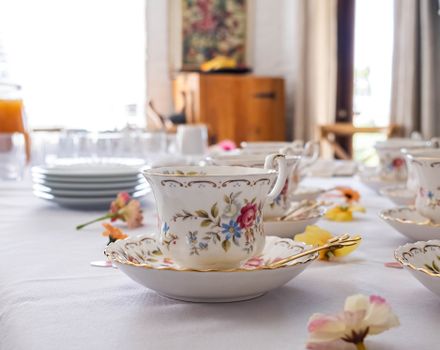
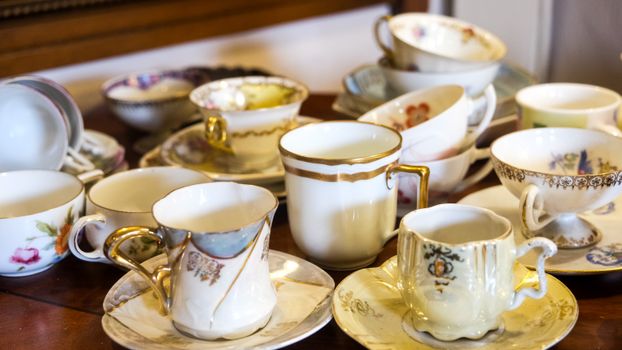
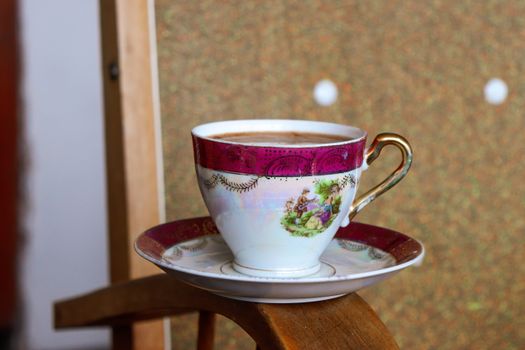
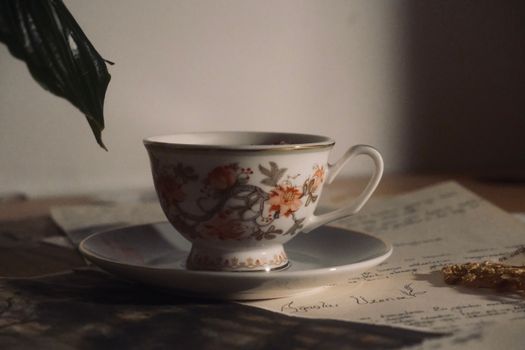
1. Hand Painted Details: Many Czech tea cups feature hand-painted floral motifs, often inspired by local wildflowers such as poppies, violets, and cornflowers. Skilled artisans used ultra-fine brushes to achieve remarkable detail. 2. Gilding and Lusterware: Gold and platinum gilding were hallmarks of high-end Czech porcelain. Some tea cups also sported iridescent “lusterware” finishes, a technique perfected in the 1920s. 3. Decal Transfers: To meet rising demand in the early 20th century, manufacturers pioneered advanced decal transfer techniques, allowing complex patterns to be mass-produced while still retaining artistry. 4. Shape Innovation: While classic footed tea cups with curved handles were common, Czech designers also experimented with angular, geometric forms—particularly during the Art Deco period (1920s–1930s). 5. Markings and Backstamps: Most Czech tea cups bear distinctive factory marks on their bases, often including the company name, country of origin, and occasionally a pattern number. Collectors use these marks to date and authenticate pieces.For example, Pirkenhammer backstamps often feature crossed hammers, while Thun marks typically include the word “Czechoslovakia” beneath a stylized crown.
Economic and Cultural Impact of Czech Tea Cup Exports
By the early 1900s, Czech porcelain had become a major export commodity. In 1928 alone, Czechoslovakia exported over 22,000 tons of porcelain, with tea ware accounting for a significant share. The industry provided jobs for tens of thousands, particularly in the Karlovy Vary region, which became known as the “Porcelain Capital of Europe.”
Czech tea cups were especially popular in the United Kingdom, France, and the United States. American department stores like Macy’s and Bloomingdale’s regularly featured Czech tea sets in their catalogs during the 1920s and 1930s. The affordability and beauty of Czech porcelain made it accessible to a burgeoning middle class.
The significance went beyond economics. Tea drinking, once the preserve of nobility, became a cherished ritual for families across Europe and America, with Czech tea cups symbolizing elegance and hospitality. After World War II, as the Iron Curtain fell across Eastern Europe, Czech porcelain continued to reach Western markets, often labeled simply as “Bohemia” to avoid Cold War tensions.
Comparing Major Czech Vintage Tea Cup Manufacturers
To better appreciate the diversity and contributions of leading Czech porcelain makers, here’s a comparative overview:
| Manufacturer | Founded | Signature Style | Notable Motifs | Export Markets |
|---|---|---|---|---|
| Thun 1794 | 1794 | Classic, floral, gilded | Wildflowers, gold rims | Europe, USA, Russia |
| Haas & Czjzek | 1792 | Art Deco, geometric | Abstract, bold lines | USA, UK, Europe |
| Pirkenhammer | 1802 | Hand-painted, vibrant colors | Botanicals, landscapes | Royal households, France, Germany |
| Moritz Zdekauer (MZ Austria) | 1810 | Affordable luxury, gilded | Transfer prints, gold accents | Worldwide (40+ countries) |
This table underscores the blend of tradition and innovation that defined Czech tea cup manufacturing, making it a global phenomenon.
The Enduring Allure of Czech Vintage Tea Cups for Collectors
Today, Czech vintage tea cups are highly collectible, prized for both their beauty and historical value. According to a 2023 survey by the Porcelain Collectors Society, over 60% of vintage porcelain collectors in Europe and North America include at least one Czech-made tea cup in their collections.
Auction prices for rare Czech tea cup sets can reach thousands of dollars. For example, a complete hand-painted Pirkenhammer tea set from the 1880s fetched $4,800 at a 2022 Christie’s auction. Meanwhile, more common Thun and MZ pieces remain accessible, with individual cups typically ranging from $15 to $150 depending on age and condition.
Collectors value Czech tea cups for: - Their craftsmanship and unique designs. - The stories of the artisans and factories behind them. - Their role in everyday life, from family gatherings to celebratory occasions.The continued popularity of Czech tea cups has also inspired a new generation of Czech ceramic artists, ensuring the tradition remains alive and vibrant.
Why Czech Vintage Tea Cups Matter Today
The significance of Czech vintage tea cups is multifaceted. On one level, they are remarkable works of art that showcase the technical and creative prowess of generations of Czech artisans. On another, they are cultural artifacts—witnesses to the social changes, economic shifts, and historical events that shaped modern Europe.
In an age of mass production, these tea cups remind us of the value of craftsmanship and the stories embedded in everyday objects. Whether displayed in a collector’s cabinet, used in a family tea ritual, or admired in a museum, Czech vintage tea cups connect us to a shared European heritage.
As global interest in vintage and sustainable homeware grows, Czech porcelain continues to be rediscovered and cherished. Its enduring appeal lies not just in its beauty, but in the tales it tells—a testament to resilience, creativity, and the simple joy of sharing tea.