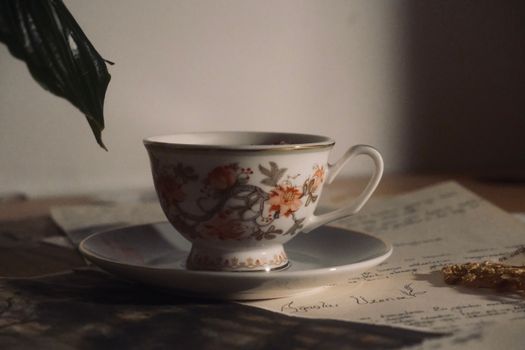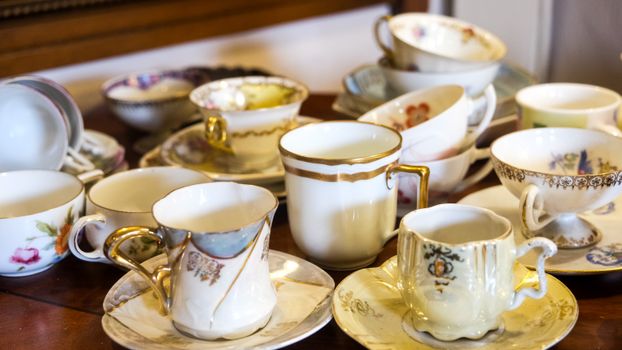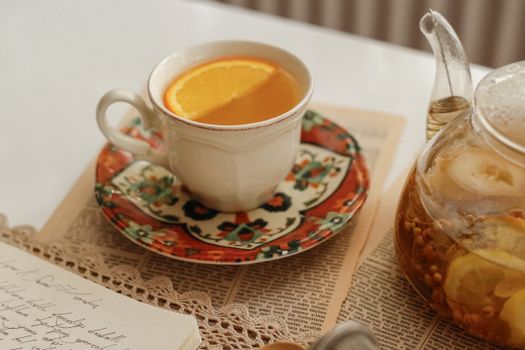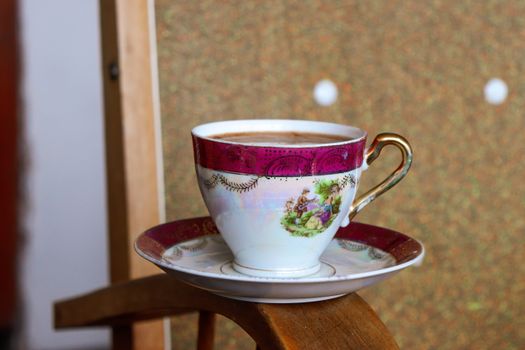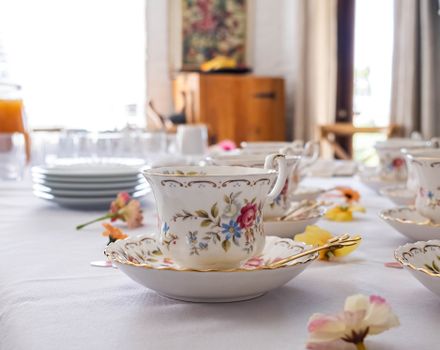
Enjoying tea is not just about flavor—it's an experience steeped in tradition, sensory delight, and personal expression. For many, vintage tea cups are the heart of this ritual, infusing every cup with a sense of history and artistry. But did you know that the type of tea you drink can actually influence the best choice of vintage cup? From the size and shape to the materials and patterns, every detail can subtly enhance (or diminish) your tea-drinking pleasure. If you're ready to curate the perfect vintage tea cup collection tailored to your favorite brews, this guide will help you blend function with aesthetics for a truly elevated experience.
The Science of Tea and Cup Pairing
Tea, like wine, reveals its best qualities when served in the right vessel. The shape, size, and material of a tea cup can affect the aroma, temperature, and even the taste of different teas. For example, a 2022 study published in the Journal of Sensory Studies found that participants perceived black tea as more aromatic and flavorful when sipped from a wide, thin-lipped porcelain cup compared to a thick, stoneware mug.
Why does this happen? Here are a few key factors:
- $1 Wider cups allow more surface area for tea aromas to develop, enhancing the sensory experience—especially important for fragrant teas like Earl Grey or jasmine. - $1 Thicker, smaller cups made from materials like stoneware or bone china hold heat longer, ideal for teas that benefit from warmth such as pu-erh or Indian chai. - $1 Delicate teas like green or white varieties look stunning in translucent porcelain, where you can appreciate their subtle hues.Choosing the right vintage tea cup isn't just about nostalgia; it's about appreciating tea in all its complexity.
Matching Vintage Tea Cups to Black, Green, White, and Herbal Teas
Different types of tea demand different brewing temperatures, steeping times, and, yes, even cup shapes. Here's a breakdown of the most common tea types and the vintage cups that best complement them:
Black Tea Black teas are robust, aromatic, and often enjoyed with milk or sugar. The ideal vintage cup for black tea is:
- Material: Fine bone china or porcelain (thin-walled for elegance, but can handle heat) - Shape: Wide-rimmed, shallow cups to maximize aroma - Size: 180–220 ml (6–7.5 oz) to accommodate additions like milkGreen Tea Green teas are delicate, lightly oxidized, and best enjoyed plain. They can lose flavor if the temperature is too high.
- Material: Thin porcelain or glass to showcase color - Shape: Smaller, narrower cups to retain warmth and focus aroma - Size: 100–150 ml (3–5 oz) for smaller, frequent servingsWhite Tea White teas are the most delicate, with subtle flavors that can be overwhelmed by strong aromas or large vessels.
- Material: Translucent porcelain or fine bone china - Shape: Small and tulip-shaped to concentrate fragrance - Size: 80–120 ml (2.5–4 oz)Herbal Tea Herbal infusions are caffeine-free and often enjoyed for their vibrant flavors and colors.
- Material: Sturdy porcelain or earthenware for heat retention - Shape: Larger, more robust cups or handled mugs - Size: 250–300 ml (8–10 oz) for generous servingsMaterial Matters: Porcelain, Bone China, Earthenware, and More
Vintage tea cups come in a variety of materials, each with unique benefits. Your tea choice can help guide the best match:
Porcelain Porcelain is a classic in vintage collections, prized for its delicacy, translucence, and ability to highlight the tea's color. It's non-porous and doesn't retain flavors, making it perfect for green and white teas.
Bone China A British favorite, bone china blends bone ash with porcelain clay, creating a lighter, stronger, and slightly warmer-toned cup. Bone china is ideal for black teas, lending a luxurious feel to every sip.
Earthenware Earthenware cups are thicker, heavier, and often feature rustic, bold designs. They retain heat well, making them suitable for herbal teas and hearty blends like masala chai.
Stoneware Stoneware is even denser than earthenware, providing maximum heat retention. Vintage stoneware tea cups are less common but perfect for slow sipping and cold weather.
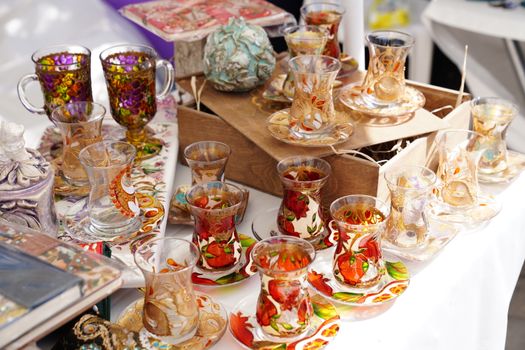
Glass Although less traditional, some vintage glass tea cups (think Depression glass from the 1920s-40s) are highly collectible. They beautifully showcase the color of green, white, and herbal teas.
Comparative Table: Vintage Tea Cup Selection by Tea Type
To help you visualize the ideal pairing, here's a quick reference table:
| Type of Tea | Recommended Vintage Cup Material | Ideal Cup Shape | Suggested Size (ml) | Why It Works |
|---|---|---|---|---|
| Black Tea | Bone China, Porcelain | Wide-rimmed, shallow | 180–220 | Enhances aroma, accommodates milk/sugar |
| Green Tea | Porcelain, Glass | Small, narrow | 100–150 | Maintains temperature, focuses aroma |
| White Tea | Porcelain, Bone China | Tulip-shaped, delicate | 80–120 | Preserves fragility, concentrates fragrance |
| Herbal Tea | Earthenware, Porcelain | Robust, handled, larger | 250–300 | Keeps heat, suits larger servings |
Vintage Tea Cup Patterns and Decoration: More Than Aesthetics
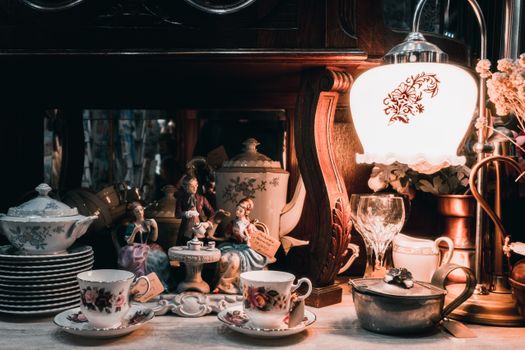
The allure of vintage tea cups often lies in their exquisite patterns, gilded rims, and hand-painted details. While these features add beauty and charm, they can also influence your tea experience:
- $1 Gold or silver trim can react with acidic teas (like lemon infusions), sometimes leaving a metallic taste. Reserve these cups for black or white teas without citrus. - $1 Raised designs can be lovely but may trap tea residues, making cleaning more challenging. - $1 The more translucent the porcelain, the finer and more delicate the cup—perfect for appreciating the color of green or white tea.For collectors, knowing the pattern's history can also enhance the ritual. For example, Royal Albert’s “Old Country Roses” pattern, introduced in 1962, remains one of the best-selling bone china patterns worldwide, with over 150 million pieces produced as of 2021.
How to Curate a Vintage Tea Cup Collection for Every Occasion
Building a versatile, tea-friendly collection is part art, part science. Here are some expert tips:
1. $1 Include at least one porcelain or bone china set for black and green teas, and one robust earthenware or stoneware set for herbal blends. 2. $1 Blend Edwardian florals with Art Deco geometrics or mid-century modern shapes to suit any mood or guest. 3. $1 Seek cups with comfortable handles, especially for larger sizes. Cups too delicate for daily use can be reserved for special occasions. 4. $1 Trio sets (cup, saucer, small plate) are ideal for afternoon tea and add a touch of vintage hospitality. 5. $1 Vintage tea cups can be fragile. Store them in a cabinet away from direct sunlight to avoid fading, and always hand-wash gilded or hand-painted cups.According to a 2023 survey by the UK Tea & Infusions Association, 84% of tea enthusiasts reported that drinking from a beautiful cup made their tea taste better—proof that aesthetics and experience go hand in hand.
Final Thoughts: Elevate Your Tea Experience with the Right Vintage Cup
Selecting the perfect vintage tea cup for each type of tea isn’t just about tradition—it’s about enhancing every aspect of your tea ritual. The interplay between cup material, shape, size, and decoration can unlock new dimensions of flavor, aroma, and beauty. Whether you’re sipping a robust Assam, a delicate Dragon Well, or a vibrant hibiscus infusion, choosing the right vintage cup can turn an ordinary tea break into a moment of everyday luxury.
As you grow your collection, remember: the best cup is the one that brings you joy, fits the tea you love, and connects you to the rich tapestry of tea culture. Cheers to many more memorable cups!