Moving can be stressful enough, but when you add a cherished collection of vintage tea cups into the mix, the anxiety can multiply. These delicate treasures often carry both monetary and sentimental value, making their safety a top priority during any relocation. Unfortunately, improper handling or packing can result in chips, cracks, or even total loss of these irreplaceable items. In fact, according to a study by the American Moving and Storage Association, nearly 20% of all claims in household moves involve breakage of fragile items like glassware and ceramics. Whether you’re a seasoned collector or simply hold a few heirloom pieces dear, knowing how to care for vintage tea cups during moving is essential to preserve their beauty and history. Read on to discover the most effective, expert-approved strategies to ensure your vintage tea cups make it to your new home in pristine condition.
Understanding the Unique Risks of Moving Vintage Tea Cups
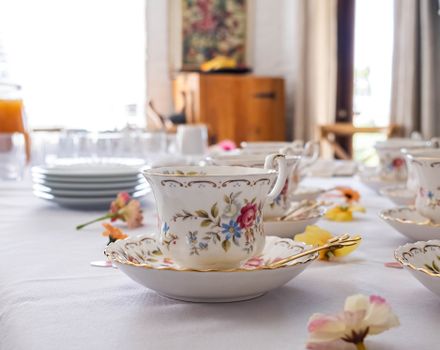
Vintage tea cups stand apart from modern dishware for several reasons. Many are hand-painted, made from fine bone china, and feature intricate details that are easily damaged. Unlike everyday mugs, these delicate pieces often date back decades or even centuries. The thinness of bone china, for example, makes it especially vulnerable to impact and temperature changes. Additionally, older glazes and paints can be sensitive to pressure and moisture.
Statistics underscore the risks: a 2022 survey by Antique Collectors International found that 36% of collectors reported damage to vintage ceramics during moves. These damages ranged from hairline cracks to complete breakage, often due to improper packing or handling. Factors such as vibration during transit, stacking, and exposure to temperature fluctuations contribute to the high risk. Recognizing these vulnerabilities is the first step in ensuring successful, damage-free transport.
Choosing the Right Packing Materials: Beyond Standard Bubble Wrap
While bubble wrap is a popular choice for packing fragile items, not all packing materials offer the same level of protection for vintage tea cups. The right materials can mean the difference between a flawless transition and a box of heartbreak.
Consider these options:
- Acid-free tissue paper: Essential for wrapping delicate surfaces and painted designs, as it prevents scratching and chemical reactions. - Foam sleeves: Provide cushioning and prevent direct contact between cups. - Packing peanuts: Suitable for filling voids in boxes, though they can shift during transit. - Corrugated dividers: Keep cups separated, minimizing the risk of collision. - Double-walled boxes: Offer extra strength and shock absorption. - Silicone gel packets: Help control humidity and prevent moisture damage, especially useful for cups with delicate glazes.Here is a comparative overview of common packing materials for vintage tea cups:
| Packing Material | Protection Level | Best For | Potential Drawbacks |
|---|---|---|---|
| Bubble Wrap | High | General cushioning | Can leave marks on paint if in direct contact |
| Acid-Free Tissue Paper | Medium | Surface protection | Limited shock absorption |
| Foam Sleeves | High | Individual cup wrapping | May not fit all cup shapes |
| Packing Peanuts | Medium | Void filling | Items can settle and shift |
| Corrugated Dividers | High | Box organization | Requires careful sizing |
| Double-Walled Boxes | High | Impact resistance | Bulkier, more expensive |
Experts recommend a layered approach: start with acid-free tissue paper, add foam sleeves, and use corrugated dividers within sturdy double-walled boxes for optimal protection.
Packing Techniques to Minimize Shock and Vibration
Proper packing is more than just wrapping each tea cup; it’s about creating a protective cocoon that absorbs shocks and prevents movement. Here’s a step-by-step method used by professional movers who handle fragile antiques:
1. Inspect and Clean: Gently clean each cup with a soft, lint-free cloth. Ensure each piece is completely dry to prevent mold or water marks during transit. 2. Wrap Individually: First, wrap each tea cup in a layer of acid-free tissue paper, followed by a foam sleeve. If you don’t have sleeves, use multiple layers of bubble wrap, but avoid direct contact with decorated surfaces. 3. Secure the Handles: Pay special attention to handles, as they are the most vulnerable part. Wrap additional tissue and foam around the handle before wrapping the entire cup. 4. Box Organization: Place a corrugated divider in the box to separate each cup. Never stack cups directly on top of one another, as weight can cause cracks. 5. Fill Voids: Use packing peanuts or crumpled paper to fill any empty spaces, ensuring cups can’t shift during transit. 6. Box Placement: Place heavier items at the bottom and lighter, more fragile cups on top. 7. Label Clearly: Mark boxes as “FRAGILE – VINTAGE TEA CUPS” and indicate which side should remain upright.A real-world example: The Victoria & Albert Museum in London, which houses one of the world’s largest ceramic collections, employs custom foam supports and restricts stacking during storage and transport—a testament to the importance of careful handling.
Climate and Transit Considerations: Keeping Your Tea Cups Safe
Temperature and humidity changes can wreak havoc on vintage ceramics, especially during long-distance or cross-country moves. Glazes can craze (develop fine cracks), paints may fade, and rapid temperature swings can cause expansion and contraction, leading to breakage.
Consider these climate-related tips:
- Avoid moving during extreme heat or cold. If possible, arrange moves for milder seasons. - Never leave packed tea cups in a hot or freezing vehicle for extended periods. - Use silicone gel packets inside boxes to absorb excess moisture. One packet per box is usually sufficient. - If moving internationally or via air freight, consult with your moving company about climate-controlled transport options.According to the International Association of Movers, climate-related damage accounts for nearly 8% of all fragile item claims, making proactive protection crucial for valuable pieces.
Insurance and Documentation: Protecting Your Collection’s Value
Even with the best preparation, accidents can happen. Insurance is your safety net in case the unthinkable occurs. Here’s how to ensure your collection is covered:
- Inventory: Before packing, photograph each tea cup from multiple angles. Note any existing flaws, maker’s marks, and distinguishing features. - Appraisal: For especially valuable pieces, obtain a written appraisal from a certified expert. Some insurance policies require this for coverage above a certain threshold. - Specialized Coverage: Standard household insurance may not cover high-value collectibles. Consider a rider or separate policy for antiques and fine china. - Moving Company Liability: If hiring movers, ask about their liability coverage for fragile and valuable items. Some offer full-value protection, while others only provide minimal compensation per pound.A 2023 survey by Homeowners Insurance Review found that only 42% of collectors had specific coverage for their antiques, leaving many at risk of significant financial loss during a move. Taking these extra steps can safeguard both the sentimental and monetary value of your vintage tea cups.
Unpacking and Re-Display: The Final Steps to Preservation
Arrival at your new home isn’t the end of the journey for your vintage tea cups. How you unpack and set them up can make a difference in their longevity.
- Unpack Slowly: Choose a clean, padded surface. Unpack each item individually, inspecting for damage as you go. - Acclimate: Allow boxes to sit unopened for several hours if moving in from a hot or cold environment, giving ceramics time to adjust and avoid condensation or thermal shock. - Clean Gently: If needed, dust with a soft brush or microfiber cloth before displaying. - Display Safely: Use display cabinets with glass doors for dust protection. Consider anti-slip mats or museum gel to secure cups on shelves, especially in earthquake-prone areas. - Regular Inspection: Periodically check for signs of stress, such as hairline cracks or loose handles, and address issues promptly.According to the National Trust, proper display and regular inspection can extend the life of delicate ceramics by decades, ensuring your collection remains a source of enjoyment for years to come.
Securing the Legacy: The Last Word on Moving Vintage Tea Cups
Caring for vintage tea cups during a move is about more than just wrapping them in bubble wrap and hoping for the best. These timeless treasures require thoughtful planning, quality materials, and careful handling at every stage—from packing and transit to unpacking and display. By understanding the unique vulnerabilities of vintage ceramics, choosing the right packing techniques, safeguarding against climate risks, and ensuring proper insurance, you can transport your cherished collection with confidence. With a bit of extra effort, your vintage tea cups will continue to delight and inspire in your new home, preserving their legacy for generations to come.