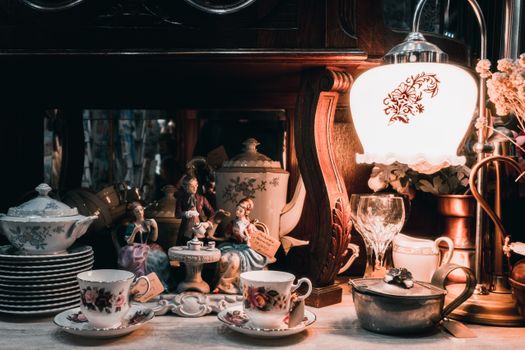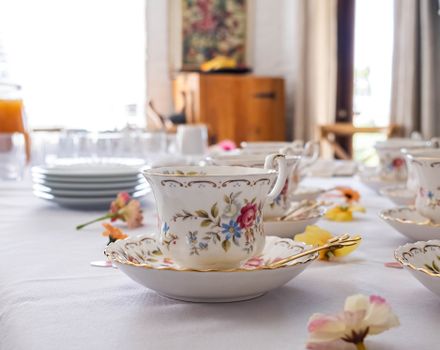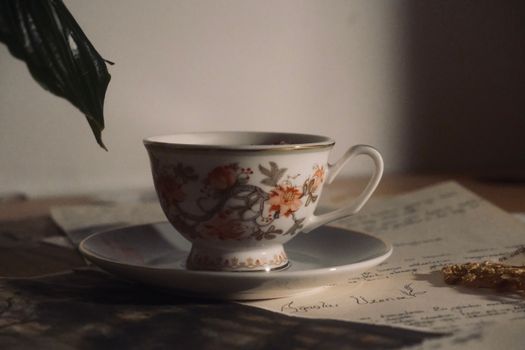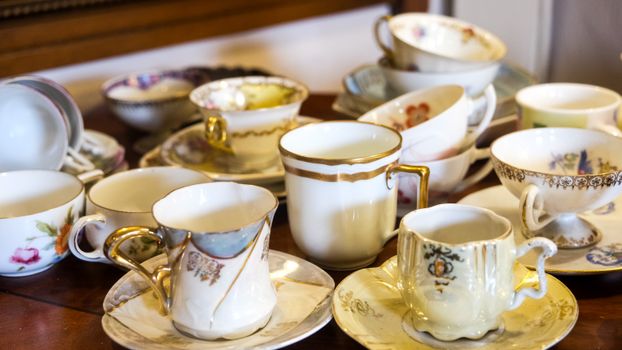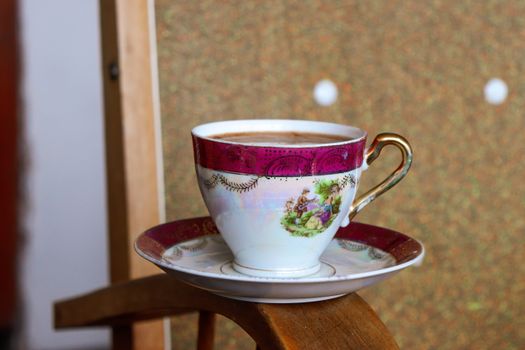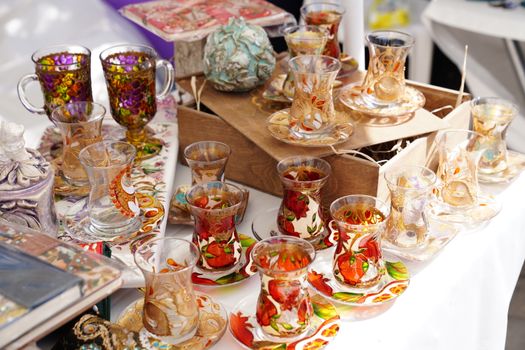
If you’ve spent years curating a stunning array of vintage tea cups, you know each piece tells a story—about eras, artisans, and the evolution of tea culture. But what’s the point of owning such a unique collection if it remains hidden behind cupboard doors? Organizing an exhibition of your vintage tea cup collection can be an enriching experience, both for you and your visitors. It not only showcases your passion, but also educates and inspires others who might be new to the charming world of collectible tea ware. Whether you’re planning a small local event or a more ambitious public display, this comprehensive guide will walk you through every step to ensure your exhibition is memorable, engaging, and flawlessly executed.
Setting Your Exhibition Goals and Theme
Before you begin the practical arrangements, clarify your vision. Do you want to share historical insights, highlight craftsmanship, or simply display your treasures for community enjoyment? Defining your goals will help shape every aspect—from the display style to the information you provide.
Choosing a theme is equally important. Themed exhibitions are more compelling, guiding visitors through a narrative rather than presenting random assortments. Here are some ideas:
- $1 Focus on specific decades, such as Victorian, Art Deco, or Mid-Century. - $1 Highlight cups from different countries—English bone china, French Limoges, Japanese porcelain. - $1 Contrast floral patterns, geometric designs, or hand-painted pieces. - $1 Feature tea cups with unique histories or provenance.A clear theme and set goals will help you select which pieces to include, how to arrange them, and what stories to tell.
Choosing the Right Venue for Your Vintage Tea Cup Exhibition
The venue sets the tone for your exhibition and can dramatically impact visitor experience. Here’s a comparison of popular options:
| Venue Type | Capacity | Atmosphere | Cost Range | Pros | Cons |
|---|---|---|---|---|---|
| Community Center | 50-200 | Casual | $100-$500/day | Affordable, accessible, local audience | Basic interiors, limited display features |
| Art Gallery | 20-100 | Professional | $300-$1500/day | Elegant, secure, art-focused crowd | Higher cost, booking competition |
| Tea Room/Café | 15-50 | Cozy, thematic | Free-$300/day | Intimate, built-in tea culture appeal | Limited space, possible interruptions |
| Museum | 100-500+ | Educational | $500-$3000/day | Prestige, professional display support | Expensive, may require curation review |
| Your Home | 10-30 | Personal | None | Comfortable, fully under your control | Limited audience, less formal |
In 2022, 38% of small-scale collectors preferred community centers, citing affordability and ease of setup, while 27% used dedicated galleries for the professional atmosphere. Consider your expected guest count, your budget, and the level of formality you desire when selecting your venue.
Curating and Preparing Your Tea Cup Collection for Display
With your theme and venue chosen, it’s time to curate your collection. Most collectors own dozens, if not hundreds, of tea cups, but overcrowding your display can overwhelm visitors. Select the pieces that best fit your narrative and offer visual variety.
Key curation tips:
- $1 Experts recommend displaying no more than 30-40 pieces for small exhibitions, or up to 100 for larger venues. - $1 Use display signage to draw attention to rare makers, unusual patterns, or notable provenance. - $1 Arrange cups in groups that support your theme—for example, by decade, region, or decorative technique. - $1 Inspect each cup for chips or cracks. Clean gently using a soft cloth and mild detergent; avoid harsh chemicals that can damage antique glazes.Consider preparing brief descriptions (50-100 words) for each cup or group, sharing history, maker, and why the piece is significant. If possible, include photographs or printed catalogues for reference.
Designing an Engaging Display Layout
How you present your tea cups can make the difference between a pleasant browse and an unforgettable experience. Display considerations should balance aesthetics, flow, and security.
Display techniques:
- $1 Place cups on tiered stands, risers, or inside glass display cabinets to create depth and visual interest. - $1 Proper lighting can highlight intricate patterns and colors. Use LED spotlights, avoiding direct sunlight which can fade delicate porcelain. - $1 Divide your exhibition into sections that match your theme, making the journey intuitive for visitors. - $1 Consider adding a magnifying glass or a digital tablet with detailed information or short videos about tea cup production.Security is crucial, especially for high-value or fragile items. Use locked display cabinets for the rarest pieces and position staff or volunteers in key areas. In 2023, 11% of reported losses at small exhibitions were due to accidental breakage, so extra caution pays off.
Promoting Your Vintage Tea Cup Exhibition
Even the most beautiful exhibition needs an audience. Effective promotion will ensure your event is well-attended and appreciated.
Promotion strategies:
- $1 Contact newspapers, radio stations, and local blogs. Human interest stories about collectors often attract attention. - $1 Create an event on Facebook, share sneak peeks on Instagram, and use hashtags like #VintageTeaCupExhibit or #TeaCupCollector. - $1 Collaborate with local tea shops, historical societies, or antique dealers to cross-promote your exhibition. - $1 Distribute flyers and posters at libraries, cafes, and community centers. - $1 Personally invite friends, fellow collectors, and local influencers.A 2021 survey by Eventbrite found that 63% of attendees at niche collecting exhibitions discovered events through social media and word-of-mouth, underlining the importance of a multi-channel approach.
Adding Value: Educational Programs and Interactive Activities
Elevate your exhibition from a simple display to a community event by offering educational and interactive elements. These additions can increase engagement, attract families, and provide extra reasons for visitors to linger.
Ideas include:
- $1 Offer scheduled walkthroughs where you share behind-the-scenes stories or collecting tips. - $1 Partner with a local tea shop to provide samples that match the styles or eras of your cups. - $1 Host short sessions on tea cup identification, care, or the history of tea drinking. - $1 Provide coloring sheets featuring tea cup outlines or a “treasure hunt” for specific designs among the displays.Surveys show that exhibitions offering interactive programming see up to 35% higher visitor satisfaction rates. These activities also encourage repeat attendance and positive word-of-mouth.
Wrapping Up: Leaving a Lasting Impression with Your Vintage Tea Cup Collection Exhibition
Organizing a vintage tea cup exhibition is a rewarding endeavor, connecting your passion with the wider community. By carefully considering your goals, venue, curation, display, and promotion, you create an event that is both beautiful and meaningful. Don’t forget to collect feedback—either through guestbooks, comment cards, or online surveys—to help you improve future exhibitions and build a network of fellow enthusiasts.
With thoughtful planning and creative touches, your vintage tea cup collection can inspire, educate, and delight everyone who walks through the door. Your exhibition might even motivate others to begin their own collecting journey or deepen their appreciation for the artistry and history of tea culture.