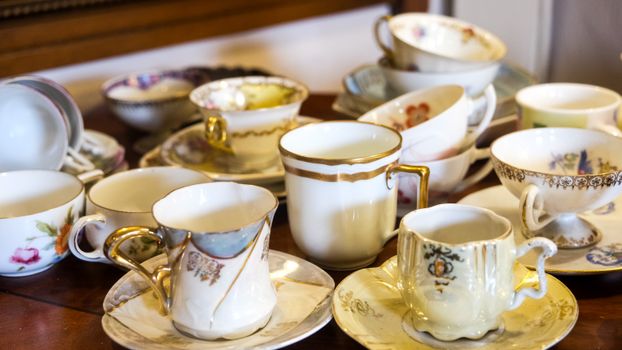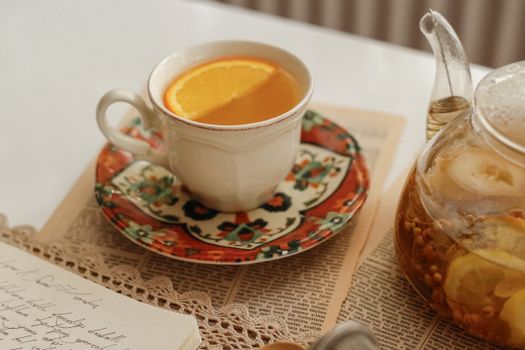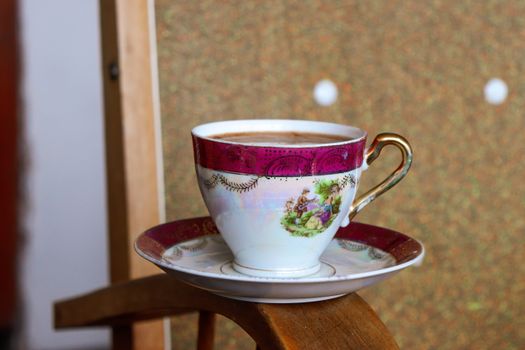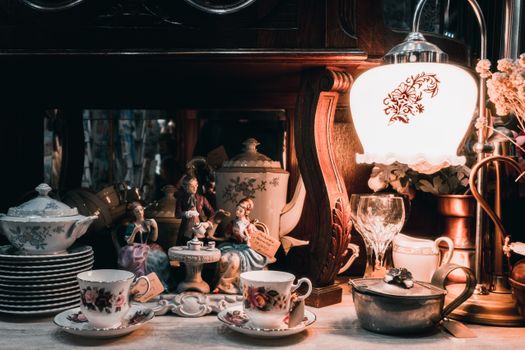
The world of vintage tea cups is a window into generations of social rituals, artistry, and economic shifts. These delicate vessels, once a centerpiece of refined gatherings, tell a story through their evolving shapes, materials, and decorations. But what historical trends shaped their production—and why do these changes matter to collectors and enthusiasts today? Understanding the production history of vintage tea cups not only enhances appreciation for these charming pieces but also reveals broader patterns in technology, trade, and culture from the 18th century to the mid-20th century.
The Origins: Early Tea Cup Production in Europe and Asia
The earliest tea cups trace their roots to China, where porcelain was first produced over 2,000 years ago. Chinese porcelain tea cups were small, handleless, and designed for the ceremonial drinking of tea. When tea was imported to Europe in the 17th century, so too were these porcelain wares. The demand for "white gold" (porcelain) skyrocketed among European elites, driving innovation and imitation.
By the early 18th century, factories like Meissen in Germany (founded 1710) and Sèvres in France (founded 1738) began producing their own porcelain, marking the start of European tea cup manufacturing. British manufacturers, notably Wedgwood (est. 1759) and Royal Worcester (est. 1751), soon followed. Early European tea cups mimicked Chinese designs—small, handleless, and often blue-and-white. Handles were gradually introduced in the West around the mid-18th century, catering to European preferences for hotter tea and a desire for convenience.
Key Fact: By 1720, the price of Chinese porcelain in England dropped by over 60% due to increased imports and competition from European factories.
Victorian Era: Industrialization and Mass Production
The Victorian era (1837–1901) marked a turning point in tea cup production. The Industrial Revolution brought mechanization to ceramics, enabling mass production at scales never before possible. British factories like Royal Albert and Aynsley began producing vast numbers of tea cups, making these items accessible to the burgeoning middle class.
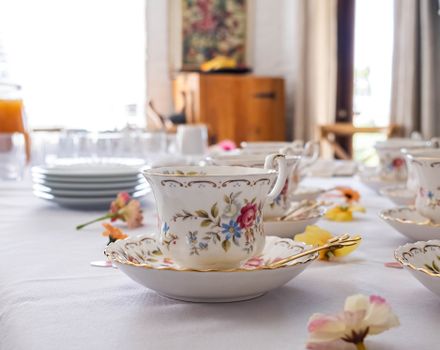
Tea became a staple of daily life, and afternoon tea rituals flourished. The design of tea cups evolved to match Victorian tastes: cups became larger, handles more ornate, and floral patterns abounded. Bone china—first developed in England in the late 18th century—became the material of choice due to its strength and translucency.
Between 1851 and 1900, the annual production of British porcelain and bone china more than doubled, with over 35 million pieces exported worldwide each year by the end of the century.
Twentieth Century: Art Movements and Globalization
In the early 20th century, tea cup design reflected the artistic movements of the times. The Art Nouveau era (1890–1910) introduced flowing, organic patterns, while the geometric shapes and bold colors of Art Deco (1920s–1930s) brought a modern flair. World War I and II, however, caused disruptions in production, with some factories repurposing for wartime needs.
After World War II, there was a boom in tea cup production, particularly in Japan. Japanese porcelain makers like Noritake and Nippon exported millions of tea cups to the West, often with intricate hand-painted designs. Meanwhile, British and European factories continued to innovate, introducing new glazes and automated production lines.
By 1950, Japan exported over $10 million worth of ceramic tableware annually to the United States alone, a dramatic increase from pre-war years.
Materials and Manufacturing Techniques: A Comparative Overview
The types of materials and techniques used in vintage tea cup production have shifted dramatically over time, affecting durability, aesthetics, and collectibility. Here is a comparative overview of the major materials and their characteristics:
| Material | Era/Origin | Key Features | Collectibility |
|---|---|---|---|
| Chinese Porcelain | 15th–18th century, China | Pure white, fine, translucent, often blue-and-white | Highly collectible, especially pre-18th century |
| European Porcelain | 18th century onwards, Europe | Hard, white, often elaborately painted or gilded | Popular among collectors, especially Meissen, Sèvres |
| Bone China | Late 18th century onwards, England | Contains bone ash, very strong, translucent, warm white | Highly prized, especially Royal Albert, Wedgwood |
| Stoneware | 19th century onwards, Europe/USA | Opaque, heavier, often simpler decoration | Less collectible, but some early pieces are sought after |
| Japanese Porcelain | 20th century, Japan | Thin, finely decorated, often hand-painted | Gaining popularity, especially Noritake, Nippon |
Influence of Social Customs and Economic Factors
Tea cup production trends closely followed changes in social customs and economic climates. The rise of the afternoon tea tradition in Victorian England directly influenced the explosion of tea cup styles and sets. Hosting a proper tea became a symbol of refinement, with specialized cups for different occasions—breakfast, luncheon, and high tea.
Economic downturns, such as the Great Depression (1929–1939), saw a shift toward simpler designs and more affordable materials. Conversely, periods of prosperity brought luxury back into fashion, with lavish gilding, hand-painting, and custom monograms.
During World War II, rationing of materials like metal and fuel forced manufacturers to innovate. Some British companies used "utility wares"—simple, undecorated tea cups made to strict government standards. After the war, as economies recovered, factories ramped up production and experimented with colorful glazes and modernist designs.
Key Statistic: In 1942, British ceramic output dropped by nearly 50% compared to pre-war levels due to wartime restrictions.
Iconic Makers and Regional Styles
Certain manufacturers and regions left a lasting mark on vintage tea cup history. In England, Staffordshire became synonymous with fine ceramics, home to renowned names like Royal Doulton, Spode, and Shelley. Royal Albert’s "Old Country Roses" pattern, introduced in 1962, remains the best-selling bone china pattern worldwide, with over 150 million pieces sold.
France’s Limoges region became famous for its translucent white porcelain, often decorated with delicate floral motifs and gold accents. In Germany, Meissen’s signature crossed swords mark is instantly recognizable, and their hand-painted patterns are highly sought after.
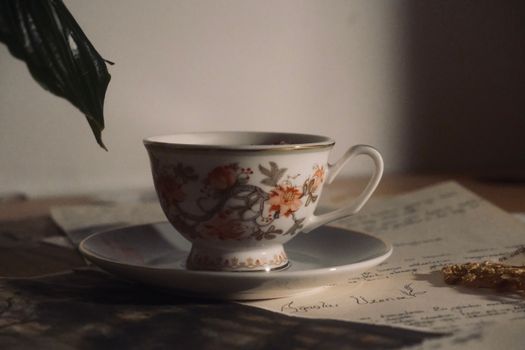
Japan’s Noritake, Nippon, and Kutani styles brought a new sensibility to Western markets: thin porcelain, vibrant colors, and intricate gold trim. American makers like Lenox and Homer Laughlin (of Fiesta fame) contributed to the art deco and mid-century modern waves, producing distinctive shapes and bold glazes.
Collecting Vintage Tea Cups: Rarity, Value, and Trends
The vintage tea cup market is shaped by historical production trends. Collectors seek specific eras, patterns, and makers—often driven by rarity, story, and aesthetics. For example, pre-1850 European porcelain is prized for its craftsmanship, while mid-century Japanese cups are valued for their artistry and affordability.
The 21st century has seen renewed interest in tea culture, with younger generations drawn to the nostalgia and sustainability of collecting vintage tea cups. Online marketplaces like eBay and Etsy report thousands of vintage tea cup listings, with rare examples commanding prices from $100 to over $5,000.
A 2023 survey by the UK’s Antiques Trade Gazette found that 62% of vintage tea cup collectors are under age 50, highlighting the enduring appeal of these historic objects.
Looking Back: The Enduring Legacy of Vintage Tea Cup Production
Studying the historical trends in vintage tea cup production reveals more than just changing shapes and patterns. It tells a story of global trade, technological innovation, shifting social values, and enduring artistry. From the first Chinese porcelain imports to the mass-produced wares of the 20th century, each era left its unique imprint—reflected in the cups we cherish today.
Whether you collect for history, beauty, or the joy of afternoon tea, understanding these trends deepens the connection to each piece. The legacy of vintage tea cups is not only in their delicate forms, but in the cultural currents they represent—a true testament to the power of a simple, elegant cup.