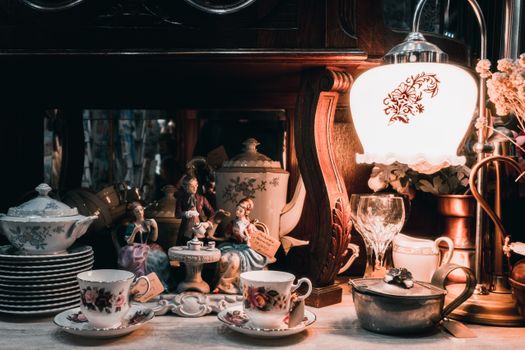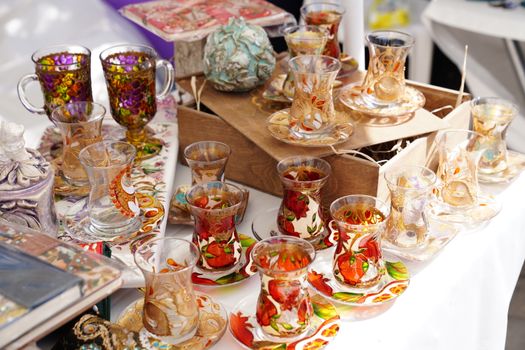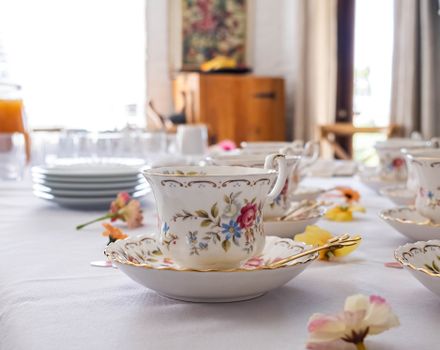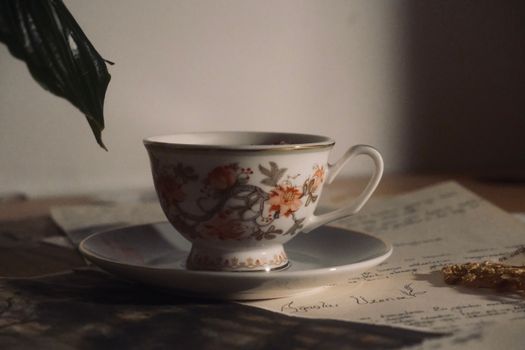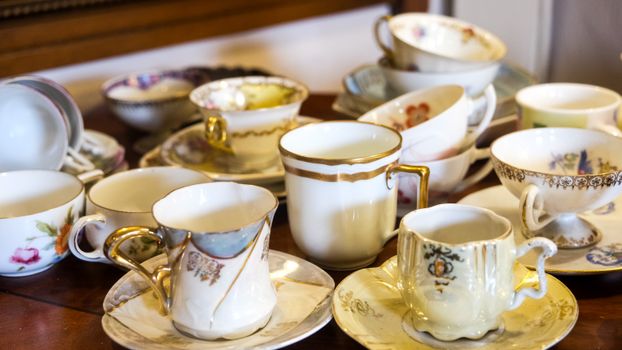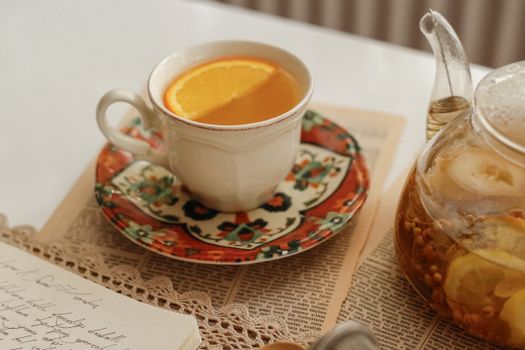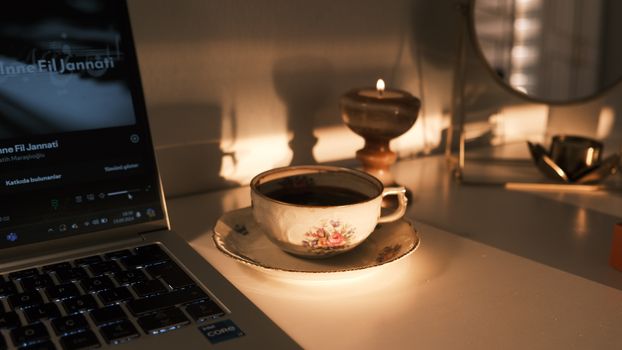
Vintage tea cups, with their delicate artistry and timeless charm, have long been cherished collectibles. Yet, in today’s world of sleek lines and minimalist décor, many homeowners wonder: can these ornate relics coexist harmoniously with modern interiors? The answer is a resounding yes. In fact, combining vintage tea cups with contemporary design not only injects personality into your space, but also celebrates a rich heritage in a fresh, unexpected way. This article explores how to thoughtfully integrate vintage tea cups into modern homes, balancing beauty, function, and style.
Understanding the Aesthetic: Why Vintage Tea Cups Shine in Modern Spaces
The juxtaposition of vintage and modern design elements creates a dynamic, layered look that reflects individuality and taste. According to a 2023 survey by Houzz, 61% of homeowners who redecorate intentionally mix old and new pieces, citing increased character and visual interest as key motivations. Vintage tea cups, with their intricate patterns and unique histories, act as conversation starters and focal points when set against minimalist backdrops.
Modern interiors often feature neutral color palettes, clean lines, and a “less is more” mindset. Vintage tea cups, on the other hand, are celebrated for their ornate details, floral motifs, and even gilded accents. When thoughtfully combined, these contrasting elements can elevate a room from generic to extraordinary. The key lies in strategic placement and mindful curation—showcasing the tea cups without overwhelming your modern aesthetic.
Choosing the Right Vintage Tea Cups for Modern Décor
Not all vintage tea cups are created equal when it comes to blending with contemporary spaces. Consider the following factors to ensure a harmonious integration:
1. $1: Select tea cups that either complement or contrast tastefully with your room’s dominant colors. For example, pastel-hued cups can soften a monochrome space, while bold, jewel-toned designs add striking pops of color. 2. $1: Simpler patterns, such as geometric Art Deco designs, often pair more seamlessly with modern interiors than highly ornate Rococo styles. However, even intricate patterns can work if displayed sparingly. 3. $1: Porcelain and bone china with subtle glazes tend to feel lighter and more compatible with contemporary aesthetics than heavily enameled or overly gilded pieces. 4. $1: Sleek, angular tea cups from the mid-century period (circa 1950s-1960s) resonate particularly well with modernist design principles.Here is a comparison table to help you select the best styles for your space:
| Tea Cup Style | Era | Best Match for Modern Décor? | Key Features |
|---|---|---|---|
| Art Deco | 1920s-1930s | Excellent | Geometric, bold colors, streamlined |
| Mid-Century Modern | 1950s-1960s | Excellent | Simple forms, muted tones, minimalist patterns |
| Victorian | 1837-1901 | Good (in moderation) | Floral motifs, gold trim, ornate handles |
| Rococo Revival | Late 1800s | Limited | Heavy embellishments, pastel colors, elaborate |
Creative Display Ideas: Showcasing Tea Cups Without Clutter
Integrating vintage tea cups into a modern home is not just about what you display, but how. To avoid a cluttered or “grandma’s attic” feel, opt for deliberate, curated displays:
- $1: Install a single, minimalist shelf on a white or neutral wall. Arrange 3-5 tea cups in a straight line or balanced cluster. This method emphasizes negative space, which is a hallmark of modern design. - $1: A slender, floor-to-ceiling glass cabinet with internal LED lighting creates a gallery effect. Keep the arrangement sparse—displaying only your most striking pieces—to ensure each cup gets the spotlight. - $1: Mount tea cups within deep shadow boxes and hang them as wall art. This unconventional approach turns vintage pieces into sculptural elements. - $1: Place a trio of mismatched tea cups on a simple wooden or marble tray as a dining or coffee table centerpiece. Add a small air plant or candle to each for a touch of greenery or ambiance.A 2022 report from Architectural Digest notes that 47% of interior designers recommend using vintage items as “artful punctuation” rather than dominant themes, ensuring the modern framework of a room remains intact.
Functional Integration: Beyond Display
Vintage tea cups need not be confined to shelves. Incorporating them into everyday life, while maintaining a modern sensibility, adds both utility and charm:
- $1: Use a vintage tea cup to hold paperclips, pens, or USB drives on a sleek home office desk. The contrast between antique porcelain and contemporary tech can be visually delightful. - $1: Place a tea cup on a floating bathroom shelf to store cotton swabs, rings, or makeup brushes. This injects a sense of luxury and refinement without disrupting a minimalist look. - $1: A single tea cup makes an elegant home for a small succulent or cactus. Position it on a windowsill, sideboard, or open shelf for a fresh, organic accent. - $1: Fill a tea cup with soy wax and a cotton wick to create a unique, upcycled candle. The soft glow highlights the cup’s intricate patterning, especially in the evenings.A 2021 survey by The Spruce found that 39% of respondents preferred keeping “heirloom” items like tea cups in daily use, as opposed to storing them away, especially when these objects serve a practical purpose in a modern setting.
Mixing Styles: Balancing Old and New
Achieving balance is key when combining disparate design elements. Here are some expert strategies for mixing vintage tea cups with modern interiors:
- $1: Display only a few select cups at a time. Rotate your collection seasonally to keep the look fresh and prevent visual noise. - $1: Echo the colors or motifs of your tea cups in other décor accents—such as throw pillows, rugs, or wall art—for a cohesive feel. - $1: Pair the smooth, glossy finish of vintage porcelain with matte or raw materials often found in modern design, like concrete, wood, or brushed metal. - $1: Dedicate a specific area—such as a reading nook, bar cart, or breakfast corner—to your tea cup display, allowing the rest of the space to remain uncluttered and streamlined.Design psychologist Dr. Sally Augustin notes that “people feel more at home in spaces that reflect their history and personality, but comfort is maximized when there’s a sense of order and intentionality.” In practice, this means your vintage tea cups should feel like part of the story, not an afterthought.
Preserving and Caring for Vintage Tea Cups in Modern Homes
Vintage tea cups are often delicate, so it’s important to protect them—especially in active, modern households. Here are some tips for keeping your treasures safe and beautiful:
- $1: Always place tea cups on stable, non-slip surfaces. Use museum wax or clear mounting putty for extra security, particularly if you live in an area prone to vibrations or minor tremors. - $1: Prolonged exposure to sunlight can fade patterns and weaken glazes. Position tea cups away from bright windows or use UV-filtering glass in display cases. - $1: Hand wash with mild soap and lukewarm water. Avoid dishwashers, as the high temperatures and harsh detergents can damage fine porcelain or gilt detailing. - $1: When moving or rearranging, hold cups by the body rather than the handle to reduce the risk of breakage.Interestingly, a 2020 study by the British Antique Dealers’ Association found that properly cared-for vintage china can last more than 100 years, even in homes with children and pets, provided basic precautions are observed.
Final Thoughts: Vintage Tea Cups as Modern Statement Pieces
Blending vintage tea cups with modern interiors is not about nostalgia for its own sake—it’s about storytelling, self-expression, and creating a home that’s both beautiful and uniquely yours. By selecting the right pieces, displaying them thoughtfully, and integrating them into everyday life, you can enjoy the best of both worlds: the charm of the past, and the sleek elegance of the present. Ultimately, it’s this fusion of eras and aesthetics that makes a space truly memorable.