The Most Sought After Vintage Teacup Designs: An Enthusiast’s Guide to Rarity and Value
There’s a certain magic in holding a vintage teacup—a delicate balance of history, artistry, and tradition that transcends simple function. For collectors and tea lovers alike, vintage teacups are more than pretty porcelain; they are tangible links to the past, coveted for their beauty, rarity, and the stories they tell. With a flourishing market and rising interest in vintage tableware, identifying the most sought after vintage teacup designs has become both an art and a science.
But which designs truly command attention, and why? This guide explores the patterns, makers, and unique features that make some vintage teacups exceptionally desirable, supported by fascinating facts, recent market trends, and practical insights for collectors.
The Allure of Vintage Teacup Designs: What Drives Demand?
Not all vintage teacups are created equal—some designs consistently fetch higher prices and spark more interest at auctions and among collectors. The reasons are multifaceted:
1. $1: Limited production runs, discontinued patterns, or the survival of only a few intact pieces contribute to high desirability. For example, teacups from the 1920s Art Deco era are prized for their scarcity and unique geometric forms. 2. $1: Hand-painted designs, intricate gold gilding, and unusual shapes often signal higher value. For instance, Royal Worcester’s hand-painted botanical cups from the late 19th century are celebrated for their stunning detail. 3. $1: Teacups linked to a particular event, era, or maker’s milestone anniversary often become collector’s items. Celebratory pieces, such as those made for Queen Elizabeth II’s coronation in 1953, carry added historical weight. 4. $1: Some names simply matter more. Royal Albert, Shelley, Paragon, and Aynsley consistently top collector wishlists due to their reputation for quality and design innovation.The interplay of these factors creates a dynamic marketplace where certain designs become perennial favorites, and others surge in popularity as trends shift.
Top Vintage Teacup Designs Collectors Crave
While the world of vintage teacups is vast, a handful of designs stand out for their enduring appeal and investment value. Here are some of the most coveted:
$1
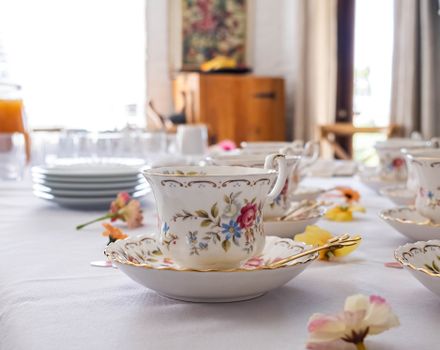
Introduced in 1962, this pattern quickly became the best-selling bone china tableware in the world. Its rich red, pink, and yellow roses, along with gold trims, evoke English garden romance. Over 150 million pieces have been sold globally, making it both accessible and iconic—yet early production runs (pre-1970s) are especially desirable.
$1
Shelley is renowned for its ultra-fine bone china and innovative cup shapes. The “Queen Anne” shape, launched in the late 1920s, is particularly collectable, especially when adorned with hand-painted florals or rare colorways. Some teacups from Shelley’s “Chintz” series have sold for over $500 at auction in recent years.
$1
Paragon’s commemorative teacups—produced for royal occasions and anniversaries—are acclaimed for their detailed portraiture and lush gilding. The 1939 royal visit to Canada cups, for example, are highly prized due to their limited numbers and historical context.
$1
Aynsley’s “Orchard Gold” pattern, featuring hand-painted fruits on a rich gold background, is a favorite among collectors. Each cup is slightly different, reflecting the artist’s style, and prices for early examples can exceed $300 per teacup.
$1
Coalport’s “Batwing” teacups, produced between 1897 and 1926, are distinguished by their unique molded shape and elaborate hand-painted designs. Scarce colorways, such as cobalt blue and apple green, can fetch upwards of $700 for a single cup and saucer set.
Comparing the Most Sought After Vintage Teacup Designs
To better understand the landscape, here’s a comparative overview of some top designs by popularity, era, and average market value:
| Design / Maker | Era | Distinctive Features | Average Value (USD) | Notable Rarity |
|---|---|---|---|---|
| Royal Albert “Old Country Roses” | 1960s–present | Multi-colored roses, gold trim | $30–$120 (early runs) | Early editions, backstamp variations |
| Shelley “Queen Anne” Floral Series | 1927–1966 | Octagonal shape, fine bone china, florals | $100–$500+ | Chintz patterns, rare motifs |
| Paragon Royal Commemoratives | 1930s–1950s | Royal portraits, heavy gilding | $80–$350 | Limited edition runs |
| Aynsley “Orchard Gold” | 1930s–1970s | Hand-painted fruit, gold background | $150–$350 | Artist-signed pieces |
| Coalport “Batwing” | 1897–1926 | Molded wing design, cobalt/green | $300–$700 | Rare colorways, perfect condition |
Spotting Authenticity and Avoiding Reproductions
As demand for vintage teacups grows, so does the prevalence of reproductions and “fakes.” Distinguishing genuine antiques from modern imitations is crucial for both value and enjoyment.
$1 Genuine vintage teacups almost always bear a backstamp on the underside, indicating the manufacturer, country of origin, and often the pattern name or number. For example, pre-1930s British teacups may simply state “England,” while later pieces often include more detailed branding. Cross-reference these marks with online databases or collector’s guides.
$1 Authentic vintage bone china is notably lighter and more translucent than standard porcelain. Hold a cup up to the light—the rim should glow slightly if it’s true bone china.
$1 Hand-painted details, subtle brush strokes, and slight variations indicate authentic craftsmanship. Modern reproductions often use transfer printing, which can appear too uniform or “perfect.”
$1 While some wear is normal, especially on gilded edges, excessive fading or “brand new” appearance on an alleged antique can be a red flag.
According to a 2023 survey by Kovels, over 20% of teacup listings on major auction sites were flagged as misattributed or reproduction items—a reminder to collect with a discerning eye.
Market Trends: Why Vintage Teacups Are Rising in Value
The vintage teacup market has experienced notable growth in the past decade. Several factors are driving this surge:
1. $1: The global tea market, valued at $207.1 billion in 2023 (Statista), has fueled renewed interest in the rituals and aesthetics of tea drinking, boosting demand for elegant vintage teacups. 2. $1: As consumers seek eco-friendly alternatives to disposable goods, vintage teacups offer both sustainability and style. Teacup candle making, “upcycled” garden décor, and table settings for special events have increased popularity. 3. $1: Platforms like eBay, Etsy, and specialist auction houses have democratized access to rare teacups, allowing collectors to source pieces worldwide. In 2022, Etsy reported a 40% year-over-year increase in searches for “vintage teacup.” 4. $1: Rare teacups have proven to be robust investments. For instance, a Coalport batwing cup that sold for $400 in 2010 fetched $700 in 2023—a 75% appreciation.Care and Display: Preserving the Beauty of Vintage Teacups
Once acquired, proper care is essential to maintain both the appearance and value of vintage teacups. Here are expert tips:
- $1 Avoid dishwashers, which can erode gilding and crack delicate china. Use mild soap, warm water, and a soft cloth. - $1 Display teacups in glass-fronted cabinets to protect from dust and accidental knocks. Never stack cups inside one another, as this can cause chipping. - $1 Prolonged exposure can fade painted designs and weaken porcelain over time. - $1 Sudden changes, such as pouring boiling water into a cold cup, can cause “thermal shock” and cracks. Let teacups come to room temperature before use.Final Thoughts on the World’s Most Sought After Vintage Teacup Designs
Collecting vintage teacups is an enchanting journey through history, artistry, and taste. The most sought after designs—whether for their rarity, craftsmanship, or cultural significance—offer endless appeal to both seasoned collectors and newcomers. As the vintage teacup market continues to thrive, understanding what sets certain designs apart will help you build a collection that’s not only beautiful, but also valuable. Whether your passion lies in Royal Albert’s timeless florals or the bold geometry of Art Deco pieces, every teacup tells a story waiting to be cherished.