Hand-Painted Vintage Teacups: Are They Worth More?
Vintage teacups have long captivated collectors, decorators, and tea enthusiasts. Their delicate shapes, intricate designs, and storied histories evoke a sense of nostalgia and elegance. Among the many varieties, hand-painted vintage teacups stand out as particularly prized, often commanding higher prices at auctions and antique shops. But what exactly makes a hand-painted teacup more valuable than its mass-produced counterparts? Is the allure of hand-painted detail enough to justify a higher price tag, or are there other factors at play? This article explores the true worth of hand-painted vintage teacups, examining their artistry, rarity, market trends, and what collectors should look for when determining value.
The Allure of Hand-Painted Vintage Teacups
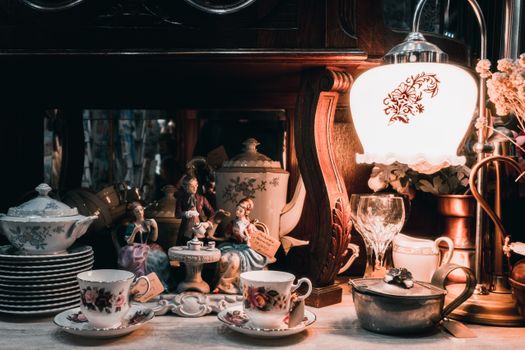
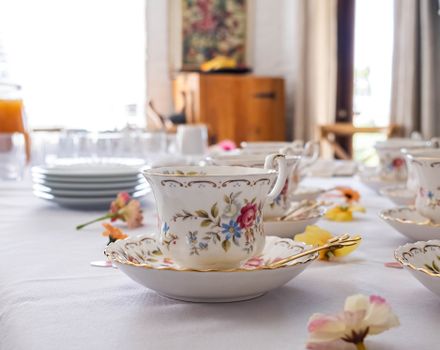
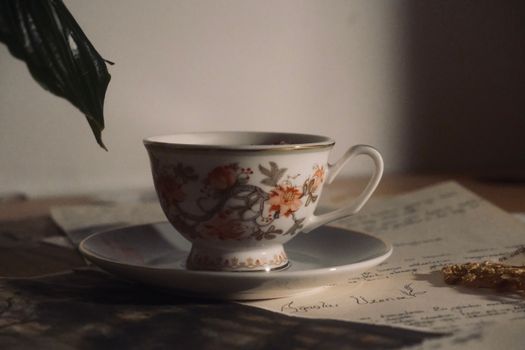
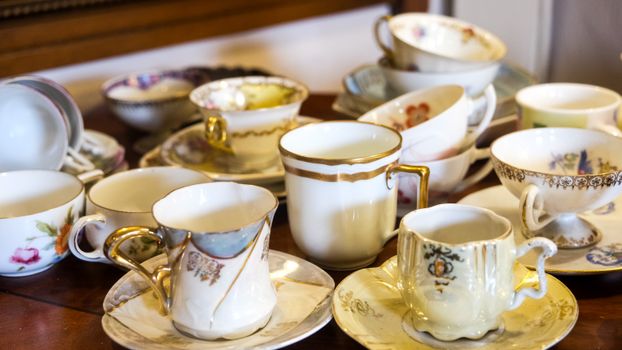
Hand-painted vintage teacups offer a unique charm that mass-produced, transfer-printed pieces often lack. Each teacup is a miniature canvas, showcasing the skill and creativity of artisans from bygone eras. Unlike modern manufacturing, where designs are applied with machines, hand-painted teacups feature brushstrokes, subtle color variations, and sometimes even the artist’s signature or initials.
This individual craftsmanship means no two hand-painted teacups are exactly alike. For collectors, this uniqueness adds to their desirability. In a 2022 survey by Antique Collectors Weekly, 68% of respondents cited “uniqueness and artistry” as the main reason for preferring hand-painted pieces over printed ones. The emotional connection many feel toward these objects is not just about aesthetics; it’s about owning a piece of history and human creativity.
Hand-Painted vs. Transferware: Understanding the Differences
To understand why hand-painted teacups might be worth more, it’s important to distinguish them from their counterparts. From the late 19th century onward, transfer printing revolutionized teacup production. Designs could be mass-applied, reducing costs and increasing uniformity. While many beautiful transferware pieces exist, they typically lack the nuanced artistry of hand-painting.
Here’s a comparison of key aspects:
| Feature | Hand-Painted Teacups | Transferware/Printed Teacups |
|---|---|---|
| Production Method | Painted individually by artisans | Designs transferred mechanically |
| Uniqueness | Each piece is unique | Identical designs in large batches |
| Artist Signatures | Often signed or initialed | Rarely signed |
| Typical Price Range (2024) | $40–$800+ | $15–$250 |
| Collectability | Highly prized by collectors | Moderately collectible |
For example, a hand-painted Royal Worcester teacup from the early 1900s recently sold for $950 at a UK auction, while a comparable printed cup from the same era fetched just $120. This price difference illustrates how hand-painting can significantly impact value.
Factors That Influence the Value of Hand-Painted Teacups
Not all hand-painted teacups are equally valuable. Several factors come into play, often intersecting to determine a teacup’s market price:
1. $1: Teacups from the Victorian era (1837–1901) or earlier, especially those with documented provenance, can command higher prices. Teacups made during periods of artistic innovation—such as the Art Nouveau (1890–1910) or Art Deco (1920–1940) movements—are particularly sought after for their distinctive styles. 2. $1: Chips, cracks, crazing, or faded designs can significantly decrease a teacup’s value. Collectors prefer pieces in near-mint condition. According to WorthPoint, a flawless hand-painted teacup can sell for up to 10 times the price of a damaged one. 3. $1: Teacups signed by renowned artists or produced by famous makers like Meissen, Royal Worcester, or Limoges typically fetch premium prices. For instance, a hand-painted Limoges cup signed by the artist Paul Putzki can sell for over $1,200, compared to $200–$300 for unsigned pieces. 4. $1: Intricate designs, gilding, and the use of vibrant, lasting pigments all enhance desirability. Cups featuring elaborate floral scenes, portraiture, or landscapes are especially prized. 5. $1: Limited edition or rare patterns drive up value. Some patterns were produced for only a season or to commemorate special events, making them hard to find. 6. $1: Documentation proving a teacup’s history, such as original receipts, letters, or exhibition records, can increase its worth.Market Trends: Are Hand-Painted Teacups Increasing in Value?
The antique and vintage teacup market has experienced several booms and busts over the past century. In recent years, there has been renewed interest in hand-painted teacups, fueled by trends like “tablescaping” and a growing appreciation for sustainable, artisanal goods.
- $1: According to a 2023 report by LiveAuctioneers, prices for hand-painted teacups rose by 18% between 2020 and 2023. This contrasts with a 6% increase for mass-produced teacups in the same period. - $1: Younger buyers, especially millennials and Gen Z, are showing greater interest in unique, hand-crafted items. The online vintage marketplace Chairish reported a 22% increase in searches for “hand-painted teacup” in 2023. - $1: While the UK and Europe remain strong markets, there is growing demand in North America and Asia, particularly for Japanese Kutani and Imari hand-painted wares.Despite these positive trends, the market can be volatile. Economic downturns or shifts in fashion can affect prices. However, the overall trajectory in the past five years suggests that hand-painted teacups are not only holding their value but, in many cases, appreciating.
Spotting Authentic Hand-Painted Teacups: Tips for Buyers
With rising interest comes the risk of imitations. Buyers must be vigilant to ensure they’re getting genuine hand-painted pieces.
- $1: Look for slight variations, brush marks, or raised paint, which indicate handwork. Identical patterns on multiple cups often suggest transfer printing. - $1: Many artists signed their work, either on the bottom or discreetly within the pattern. - $1: Hand-painted details may have a slightly textured feel, while transfers are flat and smooth. - $1: Under magnification, hand-painted lines should appear irregular and organic, not dotted or pixelated as in printed designs. - $1: Learn to recognize makers’ marks associated with hand-painted wares, as well as hallmarks indicating the country and period of origin.Reputable dealers or auction houses can provide authentication. Online resources, collector forums, and reference books like “The Collector’s Encyclopedia of Limoges Porcelain” are valuable tools for research.
Investment Potential: Are Hand-Painted Vintage Teacups a Good Buy?
While many collectors purchase vintage teacups for their beauty and historical value, others see them as investments. The rarity, craftsmanship, and enduring appeal of hand-painted pieces make them attractive as alternative assets.
- $1: Over the past 20 years, high-quality hand-painted teacups from notable makers have appreciated at an average annual rate of 6%, according to data from the Antique Dealers’ Association. - $1: Some teacups—such as a Sevres hand-painted cup from the 18th century—have fetched over $2,500 at international auctions. - $1: While the top end of the market can be expensive, many beautiful hand-painted cups are available for under $100, making entry accessible for new collectors.It’s important to note that, like all collectibles, the value of hand-painted teacups can fluctuate. Market demand, condition, and provenance play a major role. Collectors are generally advised to buy what they love rather than speculate purely for profit.
The Enduring Value of Hand-Painted Vintage Teacups
Hand-painted vintage teacups are more than just functional objects; they are miniature works of art, encapsulating the skill and imagination of past generations. Their value is shaped by artistry, rarity, condition, and historical significance. In today’s market, hand-painted teacups consistently command higher prices than their mass-produced counterparts, reflecting both their unique beauty and the growing appreciation for artisanal craftsmanship.
For both seasoned collectors and newcomers alike, hand-painted teacups offer a tangible link to history and a rewarding collecting experience. Whether you’re searching for a statement piece or a subtle addition to your tea table, understanding what makes these teacups special can help you make informed and satisfying choices.